Honda Presses Suppliers for Deep Cost Cuts in $9.4 Billion Savings Drive

 Kylie Jenner employee describes closet ordeal and pepper-spray incident

 Davante Adams injury deepens Los Angeles Rams receiver shortage

 Barbie sequel negotiations stall over reported $25 million pay packages

 Bath & Body Works launches buy-one-get-one-free candle offer

 Dhananjaya de Silva guides Sri Lanka to 221-4 against Pakistan

 Delhi gold loses Rs 800 while silver falls Rs 5,000

 India extends micro-credit guarantee plan for five years

 Zelenskyy arrives in Dublin for meetings on Ukraine and peace efforts

 Jury hears social-media image helped identify teen in Scarlett Faulkner case

 American Airlines passenger falls ill and vomits on three travellers

 Euro-Area Inflation Reaches 4% as Energy Prices Jump

 US Adds 165,000 Jobs as Unemployment Falls to 4.1%

 Energy Costs Push OECD Inflation Up to 4.5%

 China's Trade Surplus Passes $1 Trillion as Technology Exports Surge
 US Inflation Broadens as Fed Officials Consider Faster Rate Hikes

 Irish police prepare for further hoax bomb threats after hundreds of schools targeted

 RBA Inflation Target Origins: Why Australia Chose a Range Over Zero

 Sister recounts fatal machete attack as Irish murder trial continues

 The Killing of the Golden Rooster: Streaming Guide for Valentin Elizalde Docuseries

 TuckShop Announces Cast for 'Jack and the Beanstalk' Drag Panto

 Nvidia faces scrutiny over alleged Chinese intelligence link to Jensen Huang

 Belgium Approves Controversial Immigration Law Allowing Police Home Entries

 Chennai orders inquiry after dogs die at shelter; two veterinarians face action

 ROCS Travel Announces 11-Day Turkish Tour for 2027

 Antonio Sabato Jr. Calls for Compassion After Son's Fatal Hit-and-Run Arrest

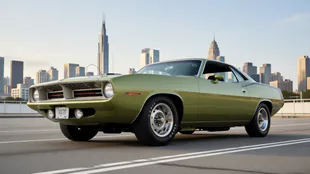
Honda is seeking about 1.5 trillion yen, or $9.4 billion, in savings by 2030 and has assigned suppliers aggressive price-reduction targets as it responds to mounting competition from Chinese automakers.
Honda has begun a broad cost-reduction campaign aimed at lowering production expenses by 1.5 trillion yen, about $9.4 billion, by 2030. Internal documents and people familiar with the plan indicate that the Japanese automaker has asked major suppliers to reduce component prices sharply and has set individual targets for participating companies.
The initiative was communicated to key suppliers during meetings in spring 2026. Honda’s effort concentrates on pressed and forged components, electrical parts and equipment associated with software-defined vehicles. Reuters reported that the automaker is seeking reductions of roughly 30 percent in major target categories, an unusually demanding goal that suppliers may struggle to reach.
Honda is also trying to cut complexity and purchasing costs by expanding the use of standardized components. Direct suppliers have been encouraged to reassess where they buy materials and parts and to make greater use of second- and third-tier suppliers. The company is also considering increased sourcing from China, where suppliers can often offer lower-cost components and where domestic automakers have built highly integrated production systems.
The savings push comes as Chinese manufacturers, including electric-vehicle companies, intensify competition in markets such as Southeast Asia, Latin America and Europe. Their lower prices, battery expertise and software capabilities have increased pressure on established Japanese brands to reduce manufacturing costs while continuing to invest in electrification and digital vehicle technology.
Honda’s financial position has added urgency. The company recorded its first annual loss since becoming publicly traded, while losses related to its electric-vehicle business are expected to exceed $12 billion. Tariffs, canceled North American vehicle programs and strong price competition have all contributed to the strain.
The automaker has already adjusted its product strategy, placing greater emphasis on gasoline-electric hybrids while reconsidering parts of its battery-electric expansion. At the same time, it continues to invest in software-defined vehicles and has worked with Nissan on areas including software and electronics.
The supplier program illustrates how competition with lower-cost Chinese manufacturers is reshaping procurement across the global automotive industry. Honda’s targets depend not only on direct price concessions but also on redesigning sourcing, increasing parts commonality and narrowing the cost gap with companies that control more of their supply chains internally.
Y.Bouchard--BTB