Cold War fears revisited in Danish nuclear bunker / Photo: © AFP

 South Korea FA apologises after sex scandal adds to controversies

 Indonesia closes national park as wildfire spreads
 ZXMoto leads China's charge to dominate the global motorbike market
 Top-ranked Sabalenka, Pegula stunned in Toronto fourth round
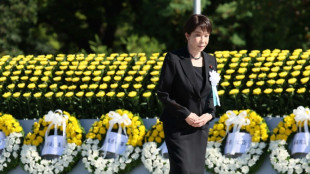 Japan nuclear debate unnerves proponents of pacifism

 Spanish teen Jodar ousts eighth seed Lehecka at Montreal

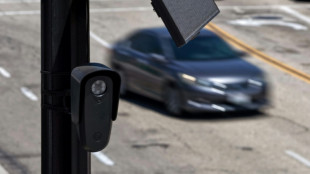 Angers mounts in US over vast network of car license plate cams
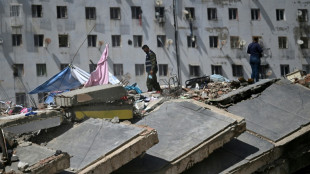
 Darderi to face Nakashima in Montreal quarter-finals
 Espresso power fires Darderi past Borges in Montreal

 Shnaider upsets Pegula to book Toronto quarter-final with Swiatek

 Mount injury overshadows Man Utd draw with Paris Saint-Germain

 Ukraine denies targeting Bulgaria as drone explodes near pipeline
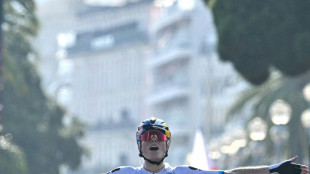 Vollering grabs Tour de France lead in Nice
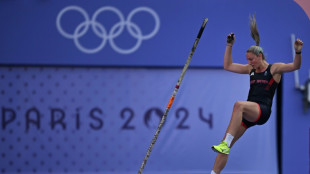 Euros to showcase new TV guidelines on non-sexualisation of women athletes

 'Calm' Kiss savours first win as Wallabies boss

 Duplantis bids for fourth European title as stars align in Birmingham
 Ukraine warns of tough winter as Russia strikes kill 4 in Kyiv region
 Recovering Marchand to skip medleys at European swim champs

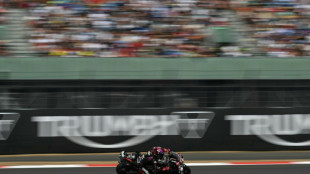 MotoGP leader Martin speeds to British Grand Prix pole

 Drone enters Bulgaria, explodes near pipeline at Romanian border: Bulgarian PM

 Arsenal sign Brazil midfielder Guimaraes from Newcastle

 Atletico will not sell Alvarez, says Simeone

 Ford Fathom turns affordable electric pickup into reality

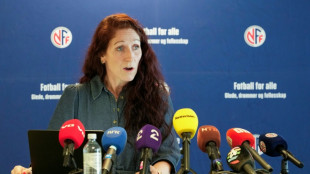 Lise Klaveness, the Norwegian thorn in Infantino's side

 Europe’s electric car boom exposes a widening market divide

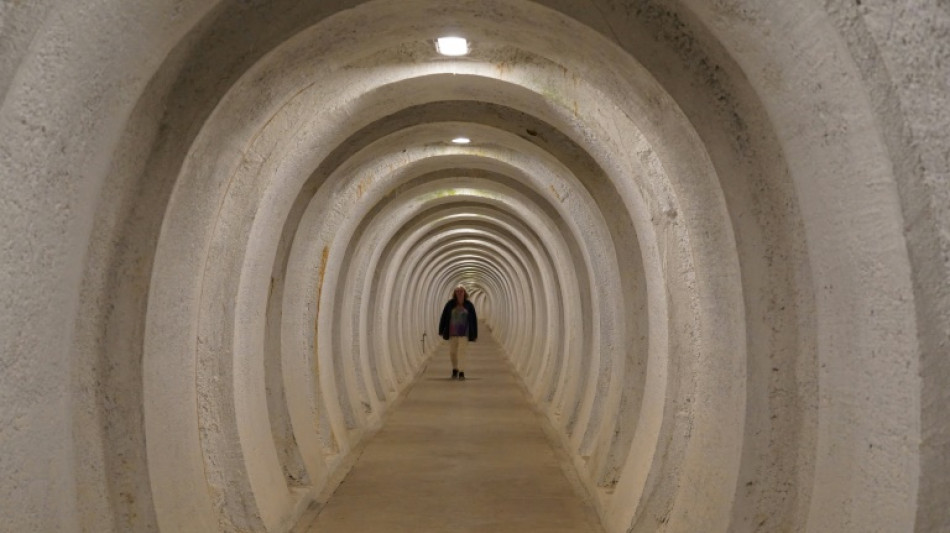
Hidden deep in northern Denmark's Rold Forest, a sprawling top secret nuclear bunker is opening to the public for the first time, shedding light on daily life during the Cold War.
The underground shelter, where everything is still intact as in a time capsule, becomes a museum from Monday, amid revived fears in Europe of a nuclear conflict following Russia's invasion of Ukraine.
The bunker was built between 1963 and 1968 at NATO's insistence, following Soviet nuclear tests and the Cuban Missile Crisis.
Dubbed "Regan West", it was designed to house the Danish government and the sitting monarch in the event of nuclear war.
Nestled beneath trees, 60 metres (200 feet) under a chalk hill, it was meant to be "the last bastion" of democracy in Denmark, museum director Lars Christian Norbach told AFP.
Located almost 400 kilometres (250 miles) northwest of Copenhagen, the bunker was set up to house Danish authorities for 30 days.
"The H-bomb totally altered the situation about how you could react to a nuclear attack", museum curator and historian Bodil Frandsen told AFP.
"The bunkers you already had could in no way withstand the blast from that. So you had to do something new", she said.
The survival of the government in the event of a nuclear disaster was essential to the nation's sovereignty, she noted.
"As long as you could have a government here that could claim control of at least some part of the country, and you have a government still rooted in Denmark, then Denmark, as a sovereign democratic state, was still alive", Frandsen explained.
- ' Time capsule' -
Never used, the bunker was taken out of service in 2003 and first revealed to the world in 2012.
Walking through the long, arched corridors, visitors see the basic bedroom intended for the monarch, the cafeteria, the government conference room and 60s-style decor in a dimly-lit lounge.
"It's a time capsule of papers, pencils, everything is where it was left", Norbach said.
An exhibit also outlines the main events during the period, with everyday objects on display.
Museum visitors will walk two kilometres (1.2 miles) during the 90-minute tour, and still only see about 40 percent of it.
"This is a very important place in terms of showing younger people... how anxious people actually were during the Cold War," Frandsen said.
And now, heightened tensions between Russia and the West have made the topic all-too relevant again.
"The Cold War has gained actuality again, and that's what we are saying in the museum", Norbach added.
L.Janezki--BTB