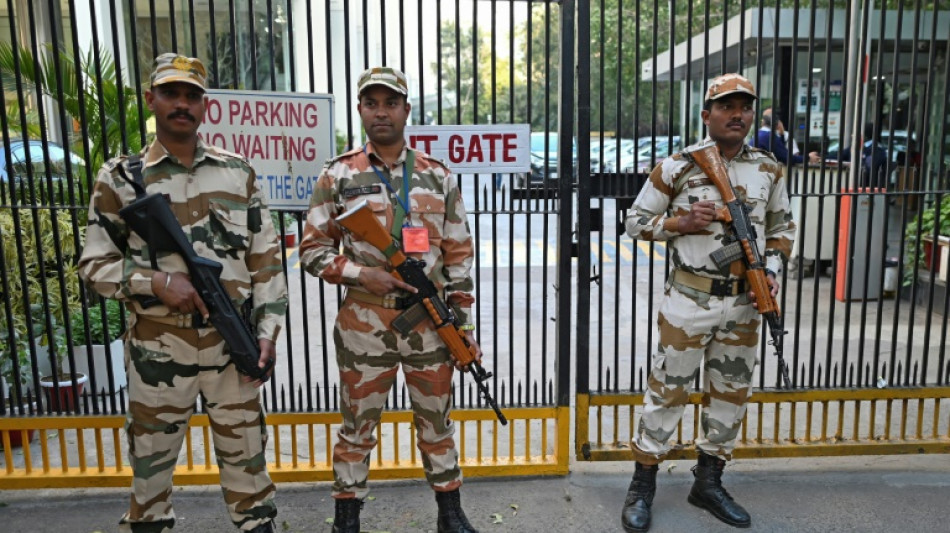
BBC tax raids put India press freedom in spotlight / Photo: © AFP/File

 Typhoon Dolphin makes landfall in China after flight cancellations, evacuations
 South Korea FA apologises after sex scandal adds to controversies

 Indonesia closes national park as wildfire spreads
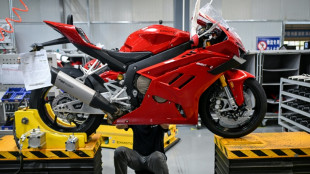 ZXMoto leads China's charge to dominate the global motorbike market
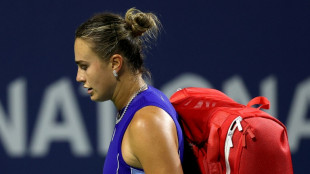 Top-ranked Sabalenka, Pegula stunned in Toronto fourth round
 Japan nuclear debate unnerves proponents of pacifism

 Spanish teen Jodar ousts eighth seed Lehecka at Montreal
 Angers mounts in US over vast network of car license plate cams
 Darderi to face Nakashima in Montreal quarter-finals
 Espresso power fires Darderi past Borges in Montreal
 Shnaider upsets Pegula to book Toronto quarter-final with Swiatek

 Mount injury overshadows Man Utd draw with Paris Saint-Germain
 Ukraine denies targeting Bulgaria as drone explodes near pipeline
 Vollering grabs Tour de France lead in Nice

 Euros to showcase new TV guidelines on non-sexualisation of women athletes
 'Calm' Kiss savours first win as Wallabies boss
 Duplantis bids for fourth European title as stars align in Birmingham
 Ukraine warns of tough winter as Russia strikes kill 4 in Kyiv region
 Recovering Marchand to skip medleys at European swim champs
 MotoGP leader Martin speeds to British Grand Prix pole

 Drone enters Bulgaria, explodes near pipeline at Romanian border: Bulgarian PM
 Arsenal sign Brazil midfielder Guimaraes from Newcastle
Just weeks after the BBC aired a documentary examining Indian Prime Minister Narendra Modi's role in deadly 2002 sectarian riots, tax inspectors descended on the broadcaster's offices.
Modi's Hindu nationalist Bharatiya Janata Party says the two are not connected, but rights groups say the BBC raids this week show the parlous state of press freedom in the world's biggest democracy.
News outlets that publish unfavourable reporting find themselves targeted with legal action, while journalists critical of the government are harassed and even imprisoned.
The three-day lockdown of the BBC's offices in New Delhi and Mumbai is the latest of several similar "search and survey" operations against media houses.
"Unfortunately, this is becoming a trend, there is no shying away from that," Kunal Majumdar of the Committee to Protect Journalists told AFP.
At least four Indian outlets that had critically reported on the government were raided by tax officers or financial crimes investigators in the past two years, he said.
As with the BBC, those outlets said officials confiscated phones and accessed computers used by journalists.
"When you have authorities trying to go through your material, go through your work, that's intimidation," Majumdar added.
"The international community ought to wake up and start taking this matter seriously."
India has fallen 10 spots to 150th on the World Press Freedom Index, compiled by Reporters Without Borders, since Modi took office in 2014.
Journalists have long faced harassment, legal threats and intimidation for their work in India but more criminal cases are being lodged against reporters than ever, according to the Free Speech Collective.
Criminal complaints were issued against a record 67 journalists in 2020, the latest year for which figures are available, the local civil society group reported.
Ten journalists were behind bars in India at the start of the year, according to Reporters Without Borders.
Once arrested, reporters can spend months or even years waiting for the cases against them to proceed through the courts.
- 'Why be afraid?' -
The BBC documentary explored Modi's time as chief minister of Gujarat state during religious riots that killed at least 1,000 people, most of them minority Muslims.
The programme cited a British foreign ministry report claiming that Modi met senior police officers and "ordered them not to intervene" in anti-Muslim violence by right-wing Hindu groups.
The two-part series featured a BBC interview with Modi shortly after the riots, in which he was asked whether he could have handled the matter differently.
Modi responded that his main weakness was not knowing "how to handle the media".
"That's been something he has been taking care of since," Hartosh Singh Bal, the political editor of India's Caravan magazine, told AFP.
"That sums up his attitude."
The BBC documentary did not air in India but provoked a furious response from the government, which dismissed its contents as "hostile propaganda".
Authorities used information technology laws to ban the sharing of links to the programme in an effort to stop its spread on social media.
Gaurav Bhatia, a BJP spokesman, said this week's raids on the BBC offices were lawful and the timing had nothing to do with the documentary's broadcast.
"If you have been following the law of the country, if you have nothing to hide, why be afraid of an action that is according to the law," he told reporters.
- 'Misogynistic and sectarian attacks' -
Unfavourable reporting in India can prompt not only legal threats from the government, but a frightening backlash from members of the public.
"Indian journalists who are too critical of the government are subjected to all-out harassment and attack campaigns by Modi devotees," Reporters Without Borders said last year.
Washington Post columnist Rana Ayyub has been a persistent target of Modi supporters since conducting an undercover investigation that alleged government officials were implicated in the 2002 Gujarat riots.
She has been subjected to an online disinformation barrage, including doctored tweets suggesting she had defended child rapists and a report falsely announcing her arrest for money laundering.
UN-appointed experts singled out her case last year and said she had endured "relentless misogynistic and sectarian attacks".
They also said Ayyub had been targeted by Indian authorities with various forms of harassment, including the freezing of her bank accounts over tax fraud and money laundering allegations.
"I am witnessing a depravity daily that I had not witnessed before," Ayyub told AFP.
Burnt copies of a book she authored had been sent to her home in Mumbai and someone threatened to gang-rape her in front of her family, she said.
"They are emboldened," she added, "knowing that nobody will take action against them."
A.Gasser--BTB