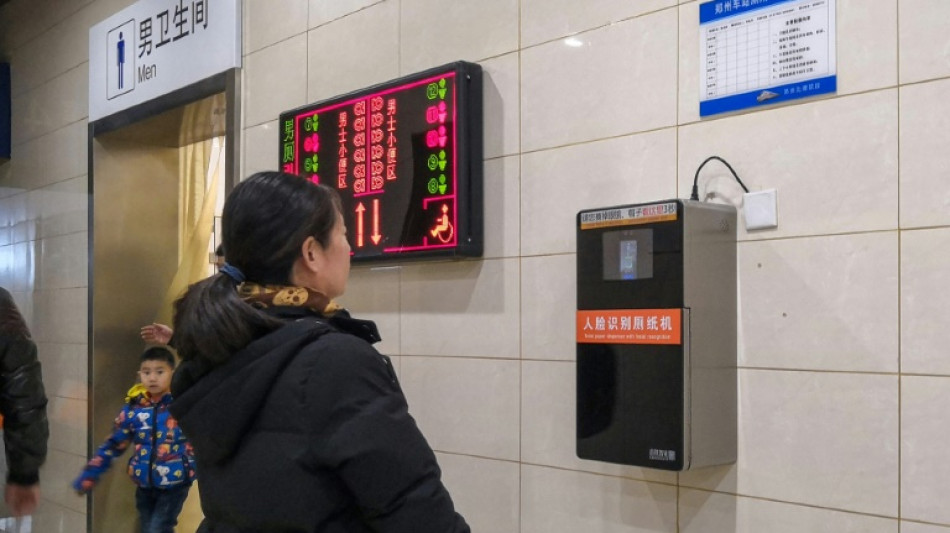
China drafts rules for using facial recognition data / Photo: © AFP/File

 Barred from elections, Russia's anti-war party vows to fight on

 Jaissle states Newcastle ambition but urges patience

 NBA star Cooper Flagg trading card a slam dunk for lucky buyer

 ForumPay Expands Payment Infrastructure with New Card and Bank Transfer Acceptance Solution

 Oil prices higher, stocks flat ahead of inflation report

 Orban-critic ex-judge becomes Hungary president after predecessor ouster

 US rights groups sue Trump over ICC sanctions

 Sphere 3D Corp. (Nasdaq: ANY) Attracts 6.5% Stake from Turnaround Bitcoin-Mining Investor

 Oil prices lower, stocks higher as Hormuz doubts drag on

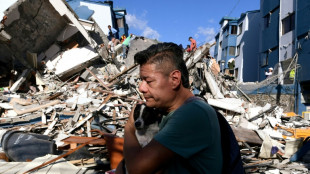
 Colombia scrambles to find survivors as quake kills 181

 Colombia scrambles to find survivors as quake kills 169

 MEXC Report: 74.2% of Traditional Finance Users Have Shifted Their Trading Activity to Crypto Exchanges

 MEXC Lists DAPPOS (DOS) With $60,000 Worth of DOS and 10,000 USDT in Airdrop+ Rewards

 Jellyfish force shutdown of three reactors at French nuclear plant

 Hodgkinson, Werro sail through Euro 800m qualifying

 Somali referee denied World Cup 'proud' to oversee UEFA Super Cup

 French newspapers target Google over AI summaries

 Ebola death toll in DR Congo outbreak rises to more than 2,000

 PrimeXBT Launches MT5 Cent Account for Beginners and Risk-Conscious Traders

 British sprinter Hunt chasing three more golds after winning 100m
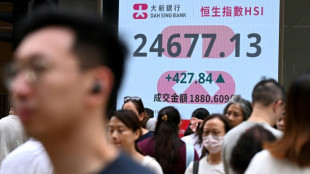
 Ethiopia's Tigray rebel authorities condemn army drone strikes

 Too hot to live? French buyers rethink housing choices after heatwaves

 Ukraine says Russia fired N. Korean missiles in deadly attack
 Oil prices jump further as hopes for Hormuz deal fade
 Trump says would be 'terrible mistake' to oust embattled Infantino

Firms using facial recognition in China will be required to obtain consent or legal permission before collecting personal information, draft regulations released Tuesday said, while stipulating the rules would not apply to some bodies.
China is one of the most surveilled societies on Earth, with thousands of CCTV cameras scattered across cities and facial recognition technology widely used in everything from day-to-day law enforcement to political repression.
Draft regulations released by China's Cyberspace Administration warned that use of the technology must "abide by laws and regulations, comply with public order, respect social morality, assume social responsibility, and fulfil duties to protect personal information."
Use of the technology to "analyse... ethnicity or religion" is prohibited, and the processing of facial data can only be carried out with the individual's consent or written legal permission, the law said.
It must also not be used to "endanger national security, harm public interests", or "disrupt social order", the regulations said.
Such technology may be used "only when there is a specific purpose and sufficient necessity, and when strict protection measures are taken", reads one article of the regulation.
But, it stipulated, the rules would not apply to those "not required by laws and administrative regulations to obtain personal consent". It did not specify what those were.
The regulations will enter effect on September 7 following a public consultation period.
A number of top Chinese facial recognition and surveillance firms have faced sanctions by the United States for their alleged role in repression.
State-owned surveillance giant Hikvision was blacklisted in the United States for allegedly helping Beijing carry out a "campaign of repression".
And Hong Kong-listed SenseTime was placed on a similar blacklist in 2019 over the use of its technology in mass surveillance in the western region of Xinjiang.
At an industry expo in Beijing in June, AFP saw a number of prominent firms showcasing tech that allowed them to identify "undesirable" behaviours and scan faces from more than 100 metres (yards) away.
M.Ouellet--BTB