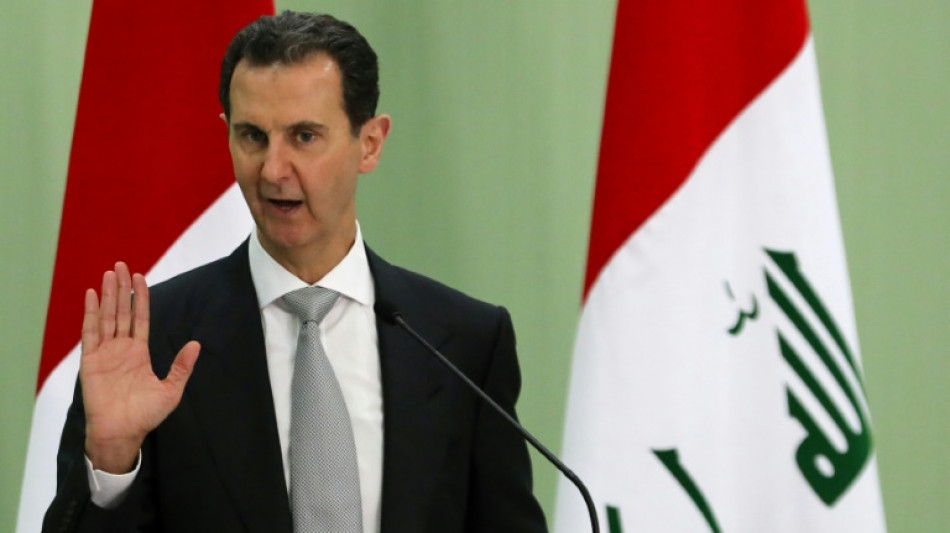
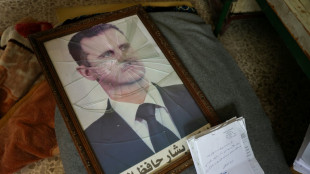
Assad says destroyed Syria infrastructure blocks refugee returns / Photo: © AFP/File

 Barred from elections, Russia's anti-war party vows to fight on
 Jaissle states Newcastle ambition but urges patience

 NBA star Cooper Flagg trading card a slam dunk for lucky buyer
 ForumPay Expands Payment Infrastructure with New Card and Bank Transfer Acceptance Solution
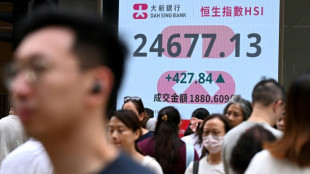
 Oil prices higher, stocks flat ahead of inflation report

 Orban-critic ex-judge becomes Hungary president after predecessor ouster
 US rights groups sue Trump over ICC sanctions

 Sphere 3D Corp. (Nasdaq: ANY) Attracts 6.5% Stake from Turnaround Bitcoin-Mining Investor
 Oil prices lower, stocks higher as Hormuz doubts drag on
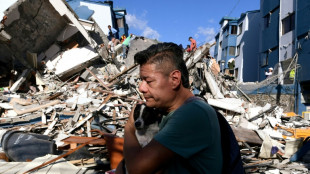
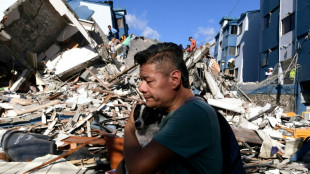 Colombia scrambles to find survivors as quake kills 181
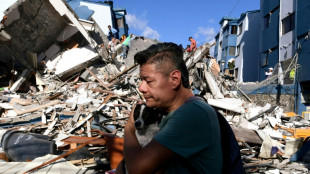 Colombia scrambles to find survivors as quake kills 169

 MEXC Report: 74.2% of Traditional Finance Users Have Shifted Their Trading Activity to Crypto Exchanges

 MEXC Lists DAPPOS (DOS) With $60,000 Worth of DOS and 10,000 USDT in Airdrop+ Rewards
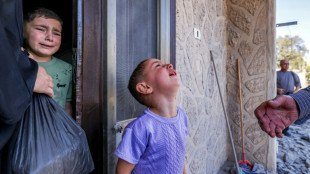
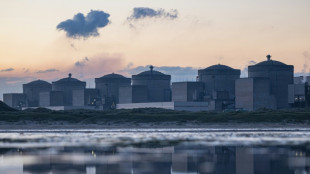 Jellyfish force shutdown of three reactors at French nuclear plant

 Hodgkinson, Werro sail through Euro 800m qualifying

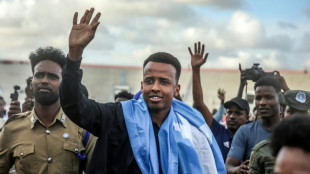 Somali referee denied World Cup 'proud' to oversee UEFA Super Cup
 French newspapers target Google over AI summaries
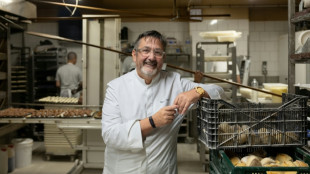
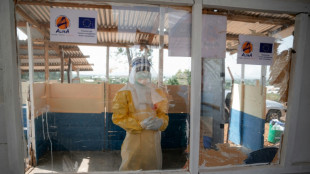
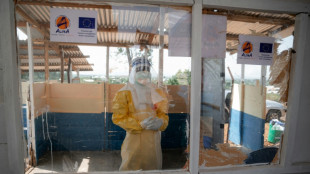 Ebola death toll in DR Congo outbreak rises to more than 2,000

 PrimeXBT Launches MT5 Cent Account for Beginners and Risk-Conscious Traders
 British sprinter Hunt chasing three more golds after winning 100m
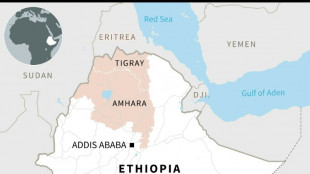 Ethiopia's Tigray rebel authorities condemn army drone strikes

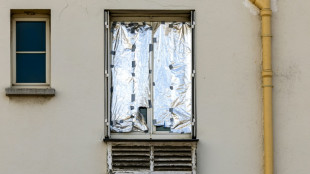 Too hot to live? French buyers rethink housing choices after heatwaves
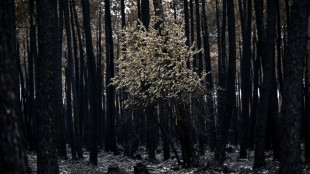
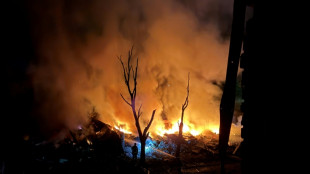 Ukraine says Russia fired N. Korean missiles in deadly attack
 Oil prices jump further as hopes for Hormuz deal fade
 Trump says would be 'terrible mistake' to oust embattled Infantino

Syrian President Bashar al-Assad said Wednesday that the biggest obstacle to millions of refugees returning home is a lack of infrastructure, devastated by more than a decade of civil war.
The Syria conflict has killed more than 500,000 people, displaced millions and battered the country's infrastructure and industry since it began in 2011 with the government's repression of peaceful anti-government protests.
The war pulled in foreign powers and jihadists, and while the front lines have mostly quietened in recent years, large parts of the country's north remain outside government control.
Asked during an interview with Abu Dhabi-based Sky News Arabia television about the greatest challenge to refugee returns, Assad responded: "Logistically, infrastructure which terrorists destroyed".
"We have started general dialogue" with United Nations humanitarian bodies "on return projects", financing and UN demands, said Assad, citing a lack of water, electricity, schools and health care facilities.
Assad, who refers to all those opposed to the government as "terrorists", has seen increased engagement with Middle East countries this year.
Syria was readmitted to the Arab League in May, ending more than a decade of regional isolation during which some powers bet on his demise.
Lebanon, Jordan, Turkey, Iraq and Egypt host at least 5.5 million refugees, according to the United Nations, and refugee returns have been a key issue at recent regional discussions.
But as countries have increased calls for refugees to return, rights groups warned against forced returns and raised safety fears, saying some returnees have faced arrest or persecution, allegations which Assad denied in the interview.
Regional countries are also seeking cooperation from Damascus on issues including fighting the drug trade.
"When there is war and the state is weakened," the drug trade flourishes and "this is normal", Assad said.
"The countries that contributed to creating chaos in Syria bear the responsibility for this, not the Syrian state," he added.
An AFP investigation last year found that Syria has become a narco state, with the $10 billion captagon industry dwarfing all other exports and funding both Assad and many of his enemies.
The Syrian president pointed to dialogue between Damascus and Arab officials on fighting the drug trade.
"We have a shared interest in eliminating this phenomenon," he said.
Arab outreach to Assad gained momentum this year after a deadly February 6 earthquake struck Syria and Turkey, and accelerated as regional rivals Saudi Arabia and Iran agreed to restore bilateral ties the following month in a surprise China-brokered deal.
Analysts say Assad is hoping wealthy Gulf states can help fund reconstruction, although Western sanctions are likely to deter investment and broader international funding remains elusive without a UN-backed political settlement.
J.Fankhauser--BTB