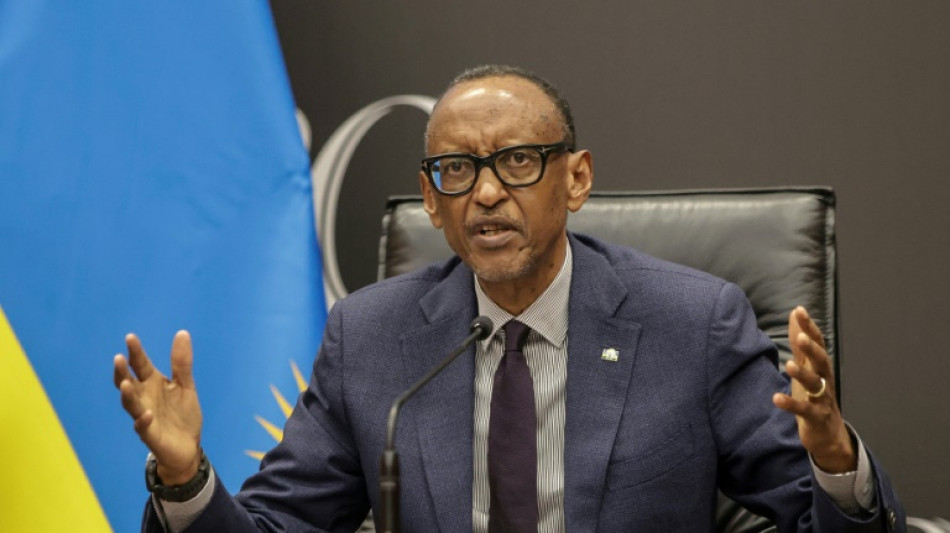
Paul Kagame: Rwanda's polarising strongman / Photo: © AFP/File

 Five things to know about Zambia ahead of the presidential vote
 Zambia vote to test Hichilema's economic record

 Meta will soon face another high-stakes trial in US
 Syria says reached deal with Moscow on fate of Russian bases
 Netanyahu rejects Gaza plan in new break from Trump

 Kurdish PKK criticises Turkey bill on fate of its fighters

 Clay-courter Merida on hardcourt learning curve in Montreal

 NBA champion player and historic coach Nelson dead at 86
 BMW iX3 Flow Edition brings animated bodywork closer to reality

 Arteta backs Guimaraes to 'ignite something different' at Arsenal
 Como sign England defender Chalobah from Chelsea
 Demi Vollering wins Tour de France Femmes
 Iraola's first Anfield match as Liverpool manager ends in Monaco defeat
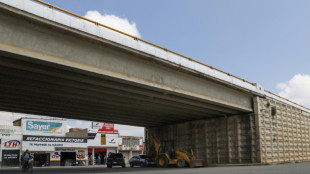 Bodies hanging from bridge revive violence in once-calm town in Mexico
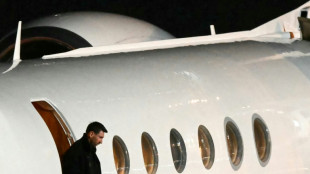 Lionel Messi bids farewell to father who guided his glittering career

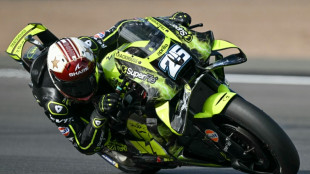 Raul Fernandez wins British MotoGP Grand Prix
 Tesla FSD secrecy puts Europe’s safety oversight under scrutiny
 Mercedes-AMG GT 53 balances speed, range and daily usability

 Lion queen Werro focused on Euro medal, not 800m world record
 Changan uses FILDA 2026 to accelerate its African expansion
 Honda plots a profitable European comeback without a price war

 Iran Guards say won't reopen Hormuz without US meeting all Tehran's conditions
 Messi absent after father's death as Miami lose in Leagues Cup
 Flight cancellations, evacuations in China as Typhoon Dolphin looms
 Iran issues demands for reopening of Hormuz
A visionary hero who ended the 1994 genocide in Rwanda and brought peace to a traumatised country, or a despot who rules through fear and repression.
The only leader most Rwandans have known, veteran President Paul Kagame is a deeply polarising figure, but victory in his bid to secure a fourth term in July 15 polls is beyond doubt.
He won the last three elections with more than 93 percent, and only two candidates have been approved to run against him this time.
Kagame was just 36 when his Rwandan Patriotic Front (RPF) rebel army routed the Hutu extremists who had slaughtered hundreds of thousands of mainly Tutsis over 100 days in 1994.
Swapping fatigues for suits, he became de facto leader -- officially vice president and defence minister -- before being elected president by parliament in 2000.
He won plaudits from Western nations seeking to atone for their inaction during the genocide, and as an uncompromising manager who claims to run the country like a business, he oversaw an economic renaissance.
An assured diplomat, the 66-year-old is commander-in-chief of an army that has a key peacekeeping role in Africa but is also accused of destabilising the neighbouring Democratic Republic of the Congo.
Kagame has sought to burnish Rwanda's image abroad -- hosting conferences, forging sponsorship deals with top international football clubs and selling itself as a leading ecotourism destination.
But this cannot mask a dire human rights record under the ruling Rwandan Patriotic Front (RPF), with activists and opponents accusing Kagame of crushing dissent with intimidation, arbitrary detentions, killings and enforced disappearances.
- 'Product of Rwanda' -
"Paul Kagame shaped Rwanda but he is also the product of Rwanda," said Paul-Simon Handy, East Africa director at the Institute for Strategic Studies.
Born to Tutsi parents, Kagame and his family fled to neighbouring Uganda in the early 1960s to escape pogroms.
The refugees suffered discrimination and served as a fertile recruiting ground for a rebel force led by Yoweri Museveni.
After Museveni seized power and became president in 1986, Kagame rose to become Uganda's intelligence chief.
But he never gave up hope of returning to his homeland.
Kagame received military training in the US and Cuba and eventually took command of a small rebel force of Rwandan exiles that snuck home hoping to overthrow the Hutu-dominated regime of Juvenal Habyarimana in 1990.
Civil war broke out. But worse was to come.
When Habyarimana's plane was shot down in April 1994, Hutu extremists went on a rampage, whipping up a vicious frenzy of hate targeting the Tutsi minority.
Around 800,000 people, mostly Tutsi but also moderate Hutus, were slaughtered before the bloodletting came to a halt as Kagame's RPF militia captured Kigali.
With not a single franc left in the national treasury, his band of rebels had to rebuild the country.
Foreign aid poured in from a guilt-ridden international community.
Even as the RPF was accused of killing tens of thousands of people in the DRC while pursuing genocide perpetrators, foreign nations turned a blind eye.
A turning point came in 2012, when accusations Kigali was arming rebel groups in the DRC prompted Washington to suspend aid to Rwanda.
In a report seen by AFP this week, UN experts said several thousand Rwandan soldiers fought alongside M23 rebels in eastern DRC and that Kigali had "de facto control" of their operations.
- 'Only one voice' -
Rights groups have frequently sounded the alarm about the unabated repression of the media and political opposition.
The most notorious case is the 2020 arrest of "Hotel Rwanda" hero Paul Rusesabagina when a plane he believed was bound for Burundi landed instead in Kigali in what his family called a kidnapping.
The Rwandan government has admitted financing the operation.
The fierce Kagame critic was sentenced to 25 years in jail on terrorism charges, before being freed following a presidential pardon last year.
Rwandan constitutional lawyer and political analyst Louis Gitinywa said the RFP had "killed democratic space".
"We have only one voice in Rwanda and there is no one challenging the narrative. This is bad for a country that is in the process of developing."
All but one of Rwanda's 11 registered opposition parties back the RPF, and Kagame has presided over controversial constitutional changes that allow him to potentially rule until 2034.
The father of four coolly dismisses any criticism as baseless.
"Every day we are being fired at. A lot of lies, hundreds," he said in a 2021 interview with AFP.
E.Schubert--BTB