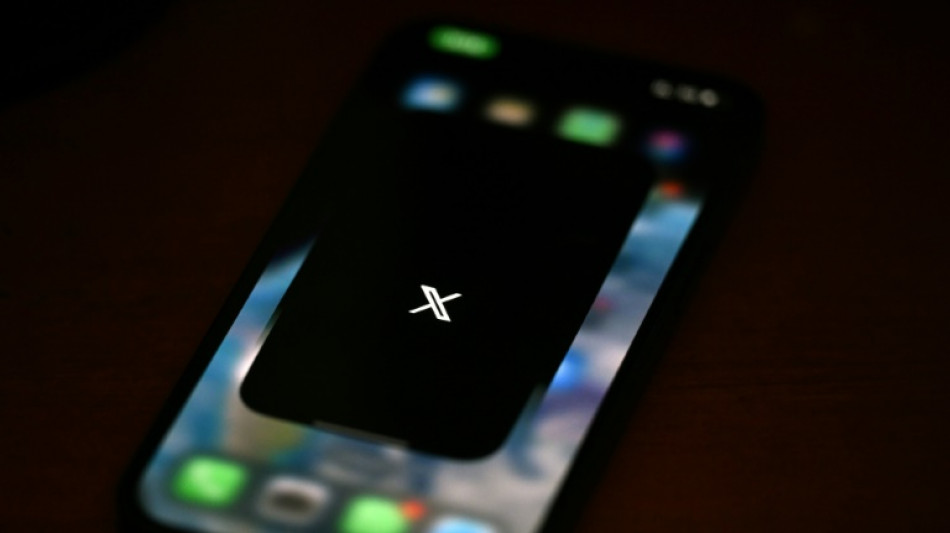
Brazil's top court takes on regulation of social media / Photo: © AFP/File

 Kansas City Fed Chief Says Inflation Is Still Running Too Hot

 Asian Markets Slide as AI Concerns Hit Chip Stocks

 Brazil Faces Debt and Inflation Test as Lula Prepares Fourth Term

 Chinese Drug Ribupatide Shows Greater Weight Loss Than Wegovy in Clinical Trial
 US Mortgage Rate Falls for Fourth Week but Remains Above 7%

 Italy Raises 2026 Growth View but Warns Energy Will Keep Inflation High

 UK Economy Grows 0.7% in Third Quarter as Services Lead Expansion

 India's Retail Inflation Reaches 6.09% as Food Prices Accelerate

 China's October Activity Data Reveal a Weak Start to the Fourth Quarter

 Thomas Tuchel Refuses to Name England Number One Goalkeeper After James Trafford's Display
 Qatar's Amir and Venezuelan Acting President Discuss Energy Cooperation
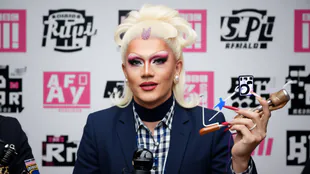
 Russell Brand’s Wife Reads Prison Letter Denying Guilt; Fellow Inmate Questions Faith

 Alouettes and Elks Set for 113th Grey Cup Showdown
Brazil's Supreme Court on Wednesday started examining four cases that turn on how far social media should be regulated, and what responsibilities platforms have in cracking down on illegal content.
The judicial review comes a month after the same court forced Elon Musk's X platform to obey rulings aimed at battling online disinformation.
That issue has taken on heat in recent days in Brazil, with federal police accusing far-right ex-president Jair Bolsonaro and allied officials of using social media disinformation as part of a 2022 "coup" plot against Luiz Inacio Lula da Silva, then the country's president-elect.
The alleged plot involved using online posts to undermine public trust in the electoral system to justify Bolsonaro holding onto the presidency after Lula defeated him at the polls. Bolsonaro says he is innocent.
The Supreme Court's deliberations in the cases are not expected to be concluded until sometime next year.
One key point it is looking at is whether social media platforms can be fined for illegal content posted by users.
Another is whether the platforms should themselves be required to monitor and remove any illegal content without a prior court order to do so.
The court's rulings will become precedents that will have to be applied generally to all social media platforms operating in Brazil.
Brazil -- many of whose 216 million inhabitants are heavy users of WhatsApp and Facebook -- does not have legislation in that area.
Global social media networks, however, already have to abide by laws in the EU against illegal online content, under the bloc's Digital Services Act (DSA), which could guide them in terms of Brazilian compliance.
One of the Brazilian Supreme Court's judges, Alexandre de Moraes, in August ordered Musk's X be blocked across the country for failing to comply with a series of court orders against online disinformation.
On October 9, the platform was allowed to resume activities after paying around $5 million in fines and deactivating the accounts of several Bolsonaro supporters accused of spreading disinformation and online hate speech.
The court's presiding judge, Luis Roberto Barroso, told AFP that "digital platforms... open paths to disinformation, hate, deliberate lies and conspiracy theories."
He added: "In the whole democratic world there are debates about protecting free speech without permitting everyone to fall into a pit of incivility."
He pointed to the European Union's DSA as a form of regulation "that seeks a point of ideal equilibrium".
Brazil, in his opinion, should carve out its own regulation "with a minimum of government intervention where it comes to freedom of thought, while preventing increased criminality and inciting violence."
M.Furrer--BTB