As LA burns, criticisms and questions about response arise / Photo: © AFP

 Rybakina ousts Osaka to book Toronto semi-final against Gauff

 Colombia rescuers find woman alive as quake death toll passes 240
 Charges dropped against Bondi Beach attack hero
 Parched and desperate for rain, Kazakhstan turns to cloud-seeding
 The perfect storm that turbocharged Venezuela's twin quakes

 2.4 million girls banned from Afghan schools since Taliban return: UNESCO
 Colombians dig through rubble as quake death toll surpasses 240

 New Zealand's ruling party meets to decide PM Luxon's fate

 Total solar eclipse to spellbind Europe

 Jodar, Nakashima to make Masters semis debuts in Montreal

 Chilean veteran Sanchez signs with MLS club Montreal

 Cristiano Ronaldo marries long-term partner Georgina Rodriguez

 Oil prices higher, stocks mixed ahead of inflation report
 Jacobs into 100m final with eye on third title
 Eight-try New Zealand cruise to tour victory over Sharks

 Trump's secret plane swap triggers questions and confusion
 California calls Paramount's threat to leave state 'blackmail'

 PSG 'want to win everything', says Luis Enrique

 Barred from elections, Russia's anti-war party vows to fight on

 Jaissle states Newcastle ambition but urges patience
 NBA star Cooper Flagg trading card a slam dunk for lucky buyer
 ForumPay Expands Payment Infrastructure with New Card and Bank Transfer Acceptance Solution
 Oil prices higher, stocks flat ahead of inflation report

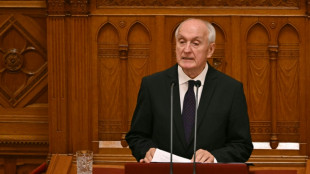 Orban-critic ex-judge becomes Hungary president after predecessor ouster
 US rights groups sue Trump over ICC sanctions

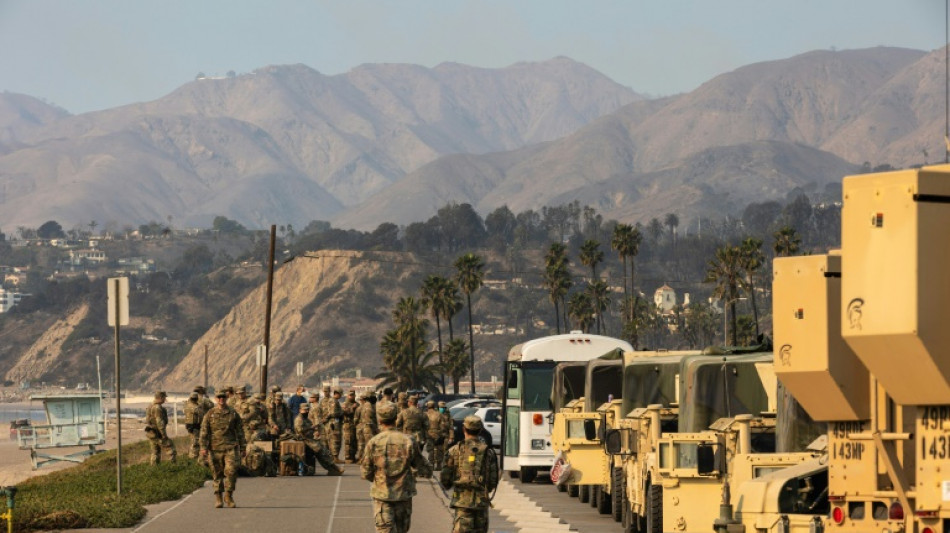
The speed and intensity of the blazes ravaging Los Angeles this week have put its firefighting infrastructure to the test -- and given rise to questions and criticism surrounding preparedness.
Hydrants ran dry in the Pacific Palisades neighborhood as it was ravaged by one of the region's five separate fires, while water shortages additionally hampered efforts elsewhere.
"We need answers to how that happened," California Governor Gavin Newsom wrote in a letter to the heads of the Los Angeles Department of Water and Power and the Los Angeles County Public Works.
Calling the lack of water and water pressure "deeply troubling," Newsom directed state officials to prepare an independent report on the causes.
Chris Sheach, assistant professor of disaster management at Paul Smith's College in New York state, told AFP part of the problem is that the city's fire-fighting infrastructure wasn't designed for enormous multi-acre conflagrations.
"Their system is built to fight individual house fires," he said, or for "responding to commercial or residential structure fires."
The amount of water used for one building compared to the amount needed to squelch a fire burning across thousands of acres is quite different, he added.
- Resources needed -
Early firefighting efforts created four times the normal demand for water over approximately 15 hours, Janisse Quinones, CEO and chief engineer at the city's water department, told the New York Times.
Apart from that, Los Angeles fire chief Kristin Crowley has said her city is hampered by a lack of resources.
"I have, over the past three years, been clear that the fire department needs help. We can no longer sustain where we are," she told CNN Friday, explaining the necessity for more staff, resources and funding.
She said this included the need for 62 new fire stations amid a 55 percent increase in call volume since 2010.
US President-elect Donald Trump, who returns to the White House in just over a week, has seized upon the drama to attack Democrats, launching a series of evidence-free broadsides accusing Governor Newsom of a variety of failings.
He has even tried to blame a lack of water on environmentalists' efforts to protect the smelt -- a small fish that lives hundreds of miles away from the fires.
- 'Risk-reward decision' -
"The fact that we have such a low number of fatalities despite the massive property losses is a testament to the work of fire chiefs and government officials who have been timely," Sheach, the professor, said.
The fires have so far destroyed around 10,000 buildings, California's fire agency reported, while the Los Angeles County medical examiner's office has put the death toll at 11.
California firefighters "are some of the best firefighters in the world. They do this so often," Sheach said, adding that they were better trained than in most other localities because "it's their reality."
How can a city like Los Angeles be better prepared in the future? And would it mean hiring more firefighters or increasing water supply?
"Those are decisions that politicians have to work with with their community, because what's right for each community is going to be up to how much they're willing to pay," Sheach said.
Decreasing risk means spending more money, he explained, calling the situation a giant "risk-reward decision."
Y.Bouchard--BTB