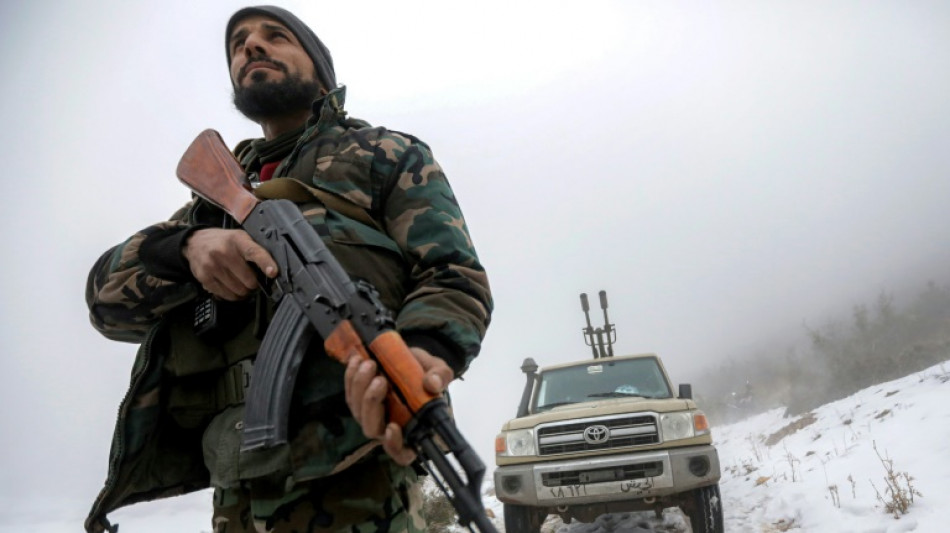
Drugs, weapons in Syria borderland where Hezbollah held sway / Photo: © AFP

 Barred from elections, Russia's anti-war party vows to fight on

 Jaissle states Newcastle ambition but urges patience
 NBA star Cooper Flagg trading card a slam dunk for lucky buyer
 ForumPay Expands Payment Infrastructure with New Card and Bank Transfer Acceptance Solution
 Oil prices higher, stocks flat ahead of inflation report

 Orban-critic ex-judge becomes Hungary president after predecessor ouster
 US rights groups sue Trump over ICC sanctions

 Sphere 3D Corp. (Nasdaq: ANY) Attracts 6.5% Stake from Turnaround Bitcoin-Mining Investor
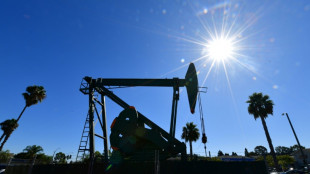 Oil prices lower, stocks higher as Hormuz doubts drag on
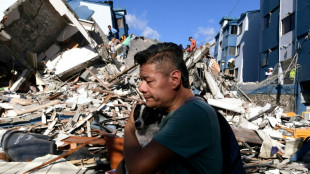 Colombia scrambles to find survivors as quake kills 181
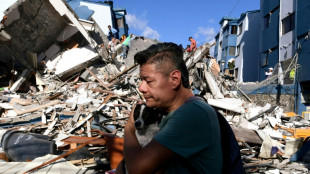 Colombia scrambles to find survivors as quake kills 169

 MEXC Report: 74.2% of Traditional Finance Users Have Shifted Their Trading Activity to Crypto Exchanges

 MEXC Lists DAPPOS (DOS) With $60,000 Worth of DOS and 10,000 USDT in Airdrop+ Rewards
 Jellyfish force shutdown of three reactors at French nuclear plant

 Hodgkinson, Werro sail through Euro 800m qualifying

 Somali referee denied World Cup 'proud' to oversee UEFA Super Cup
 French newspapers target Google over AI summaries
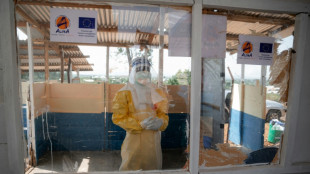 Ebola death toll in DR Congo outbreak rises to more than 2,000

 PrimeXBT Launches MT5 Cent Account for Beginners and Risk-Conscious Traders
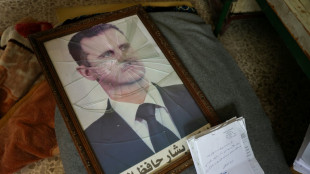
 British sprinter Hunt chasing three more golds after winning 100m

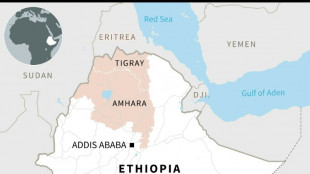 Ethiopia's Tigray rebel authorities condemn army drone strikes
 Too hot to live? French buyers rethink housing choices after heatwaves
 Ukraine says Russia fired N. Korean missiles in deadly attack
 Oil prices jump further as hopes for Hormuz deal fade
 Trump says would be 'terrible mistake' to oust embattled Infantino

In a desolate area of Syria where Lebanese militant group Hezbollah once held sway, security forces shot open the gates to an abandoned building and found a defunct drug factory.
Syria's new authorities launched a security campaign last week around Qusayr at the porous Lebanese border, cracking down on drug and weapons smugglers.
They have also accused Lebanon's Hezbollah, which for years propped up Bashar al-Assad, of firing at them in clashes in the weeks since his ouster.
"We've begun to comb factories used by Hezbollah and remnants of the defunct regime," said Major Nadim Madkhana, who heads Syria's border security force in Homs province near Lebanon.
Before Syria's war erupted in 2011, Syrians and Lebanese lived side by side in the border area -- a mostly tribal region long renowned for smuggling.
In April 2013, Hezbollah announced it was fighting alongside Assad's forces and leading battles in the Qusayr area, a rebel stronghold at the time.
After weeks of battles that displaced thousands of Syrians, Hezbollah seized control of the area, establishing bases and weapons depots and digging tunnels -- which Israel repeatedly targeted in subsequent years.
Hezbollah's support for Assad was as much an act of loyalty for its fellow member of the "axis of resistance" as it was a necessity for its own survival, with Syria acting as its weapons conduit from Iran.
"Under the defunct regime, this area was an economic lifeline for Hezbollah and drug and arms traders traffickers," Madkhana said.
In the building raided by Syrian border security, AFP correspondents saw large bags of captagon pills -- a potent synthetic drug mass-produced under Assad that sparked an addiction crisis in the region.
Both the sanctions-hit ousted government and Hezbollah, which is proscribed as a terrorist organisation, have faced accusations of using the captagon trade to finance themselves.
In the months leading up to Assad's December 8 ouster, Hezbollah pulled many of its militants back to Lebanon to fight an all-out war with Israel.
But it was only after his overthrow that it rushed the majority of its forces and allies out of the country.
Attesting to the speed of the pullout, plates of food were left to rot in the kitchen of one facility.
- Drug traffickers -
Snow-speckled dirt tracks leading to the facilities still bear marks left by barricades that smugglers had set up "to delay our advance", Madkhana said.
In recent days, Syrian forces have clashed with "Hezbollah loyalists and regime remnants" in the area, some of them armed with rocket launchers, he added.
Charred vehicles lay by the side of the road, near damaged luxury villas built by drug traffickers, residents told AFP.
Hezbollah provided cover for Lebanese and Syrian smugglers operating at the border, according to residents of the area.
After more than five decades of rule by the Assads, the rebels that once fought his army are now running the country, and that has had a knock-on effect on neighbouring Lebanon.
Earlier this week, Madkhana told AFP Syrian forces had started coordinating with the Lebanese army at the border.
Last week, the Lebanese army said it was responding to incoming fire from across the Syrian border.
Syria shares a 330-kilometre (205-mile) border with Lebanon, with no official demarcation, making it ideal turf for smugglers.
- 'Banned from returning' -
Since Assad's ouster, Syrians displaced during the war have started returning home to Qusayr.
After spending almost half of his life as a refugee in northern Lebanon, Hassan Amer, 21, was thrilled to return.
"I was young when I left, I don't know much about Qusayr," he said, painting the walls of his house with help from neighbours and families.
"We returned the day after the regime fell," he said, beaming with pride.
Hezbollah "took over Qusayr and made it theirs while its people were banned from returning," he said, adding that schools and public institutions had been turned into bases.
In 2019, Hezbollah said residents of Qusayr could return home, citing a decision by Assad's government.
Mohammed Nasser, 22, and his mother were among the lucky ones allowed back in 2021.
"My elderly grandfather was alone here... and I was under 18," he said, meaning he was not yet due for conscription.
His father stayed in Lebanon, fearing arrest.
For years, Nasser's family and a couple of others were the only Syrians living in the area, he said, while Lebanese "loyal to Hezbollah lived in the less-damaged houses".
Nasser's 84-year-old grandfather, also named Mohammed, recalled the day Assad and his family fled.
"On liberation day, they fled... and the town's people came back at night, before sunrise, to the sound of the call to prayer," he said.
L.Dubois--BTB