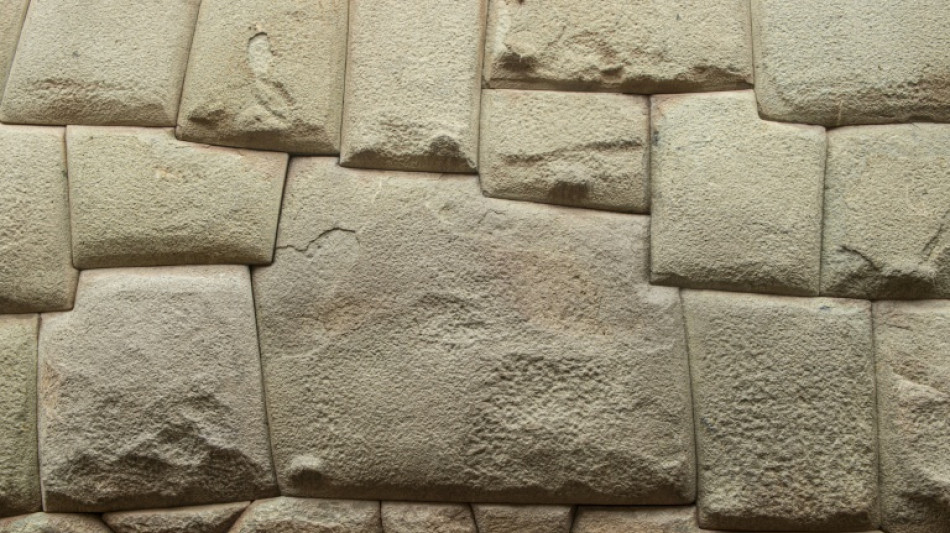
Peru's 12-Angle Stone vandalized, causing 'irreversible damage' / Photo: © AFP

 How to Watch the Rugby League World Cup Final on 7plus for Free

 Kayla Harrison Defeats Amanda Nunes via Submission at UFC 334

 GTA 6 Advertising Strategy and Disc Version Controversy

 From First Date to Wedding Day: How a TV Quote Sparked a Lifetime Commitment

 Malta Stuns Sweden with Late Penalty Comeback in Rugby Europe Trophy

 BingX: Major Announcement of Far-Reaching Significance

 Élan Opens as Late-Night Wine Bar in Honolulu

An allegedly intoxicated man vandalized a 500-year-old archaeological artifact known as the 12-Angle Stone in Peru, authorities said Tuesday.
Police said the 30-year-old man was suspected of attacking the stone with a hammer.
He was arrested after the incident in the city of Cusco, which was recorded on a nearby surveillance camera, according to police.
Police believe the man, identified as Gabriel Roysi, was under the influence of alcohol or drugs when he took a hammer to the stone, the head of Cusco police station Henry Valdez told state news agency Andina.
Peru's Ministry of Culture said in a statement that multiple fragments broke off "the emblematic stone structure."
"According to current regulations, this act is an attack on culture and could be punished with a prison sentence of up to six years," Jorge Moya, director of Cusco's culture ministry, told reporters.
The incident caused "irreversible damage," he lamented.
The stone, a popular tourist attraction and landmark of Peru's Incan cultural heritage, is part of a wall that made up the Inca Roca palace.
Its perfect 12-angled border is described as symbolic of the advanced stonework of the Inca civilization.
The stone is part of what is now the Archbishop's Palace in Cusco and an art museum.
R.Adler--BTB