Colombian FARC dissidents take 29 soldiers, police captive
/ Photo: © AFP

 St Francis School Leads €60,000 EU Project to Transform Early Childhood Education
 South Africa's Universal Health Coverage Depends on Tackling Poverty and Inequality
 Rare Siberian Rubythroat Dies in UK Garden After Cat Attack

 Go Kyung-pyo Drunk Driving Incident Prompts Heavy Editing Across Multiple TV Shows

 KFF Health News Reporters Discuss ACA Enrollment Challenges, Rising Costs, and Measles Risks
 Alberta Unveils New High School Graduation Requirements to Increase Student Choice

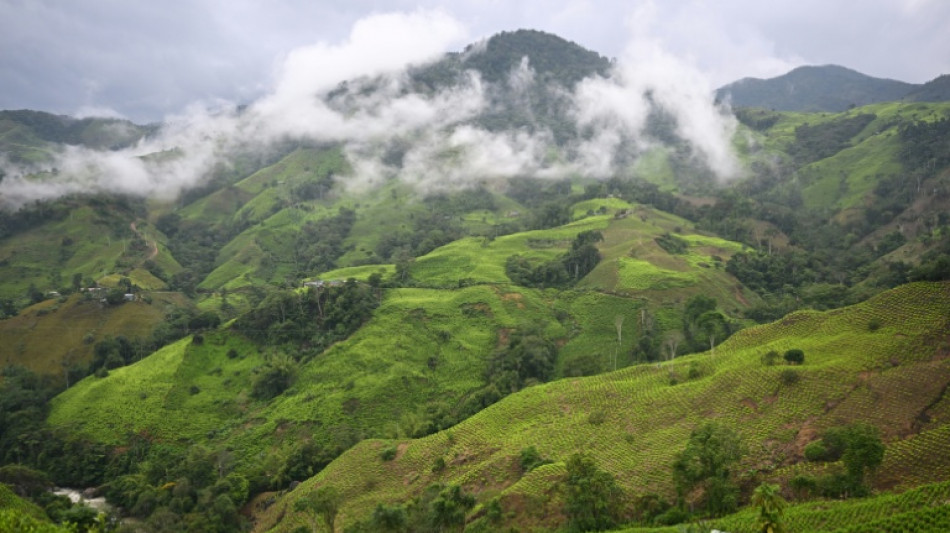
Dissident members of Colombia's FARC rebel group have taken 29 soldiers and police officers captive during clashes with the military in a key cocaine-growing region in the southwest, the defense ministry said Friday.
The ministry blamed Thursday's attack on members of the main FARC renegade faction, the Central General Staff (EMC), which rejected an historic peace agreement signed by the Marxist rebel group with the state in 2016.
It said that residents acting at the behest of the guerrillas also took part in the hostilities.
The events occurred in the municipalities of Argelia and El Tambo, major coca-growing areas controlled by the EMC which the military has been trying to bring back under state control since October.
Coca is the raw material of cocaine.
Videos published by the authorities show an armored vehicle in flames fleeing the area while a group of people pelted it with stones.
In other videos, riot police can be seen throwing smoke grenades and advancing down a street during a gun battle.
Colombia is experiencing its worst outbreak of violence in the decade since the peace deal with FARC.
Much of the violence is driven by the fight for control of coca-growing areas and cocaine trafficking routes.
The fighting in the southwest comes less than two months after a wave of guerrilla attacks in the northeastern Catatumbo region, which left dozens dead and forced tens of thousands from their homes.
One faction of the EMC is in peace talks with the government but another faction withdrew from the talks last year and resumed attacks on state forces, which in turn stepped up operations against the group.
Writing on the social network X, left-wing President Gustavo Petro said the EMC was acting out of "desperation and therefore using the civilian population."
- 'War crimes' -
The defense ministry accused the rebels of war crimes.
It said the dissidents "not only forcibly recruit minors but also instrumentalize and coerce the civilian population in order to drive out state forces" and prevent the state providing access to "health, education, employment, and regional transformation."
Police chief General Carlos Fernando Triana called on X for the immediate release of the security force members held captive by the guerrillas.
The successive waves of violence have upended Petro's signature policy of trying to bring "total peace" to Colombia by getting all the armed groups to the negotiating table.
Petro's critics say the guerrillas have used the breathing room afforded them by the talks to expand their control over remote rural parts of the northeast and southwest particularly.
J.Fankhauser--BTB