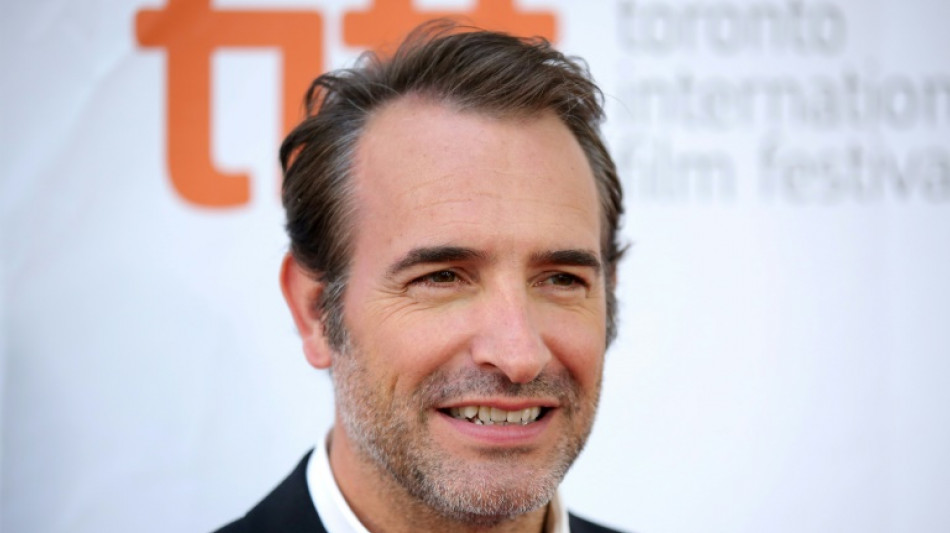
French male film stars tell #MeToo inquiry about 'clumsy' remarks / Photo: © GETTY IMAGES NORTH AMERICA/AFP

 Malta Stuns Sweden with Late Penalty Comeback in Rugby Europe Trophy

 BingX: Major Announcement of Far-Reaching Significance

 Élan Opens as Late-Night Wine Bar in Honolulu

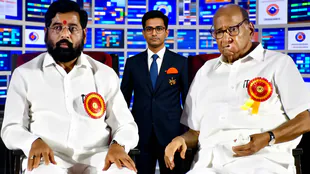 Shiv Sena (UBT) Criticizes NCP Merger Talks as 'Ridiculous Laughing Stock'
 Dell Announces AI-Integrated PC Lineup for 2026 with Wi-Fi 7 Support

 Rocky Fans Break Guinness World Record at Philadelphia Museum Steps

 FAA Grounds All US Flights Amid Nationwide Air Traffic Control Communication Failure

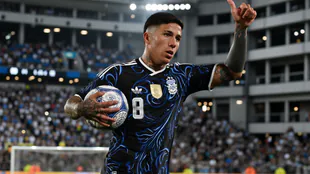 Argentina vs Uruguay Kick-off Time, TV Channels & Free Streaming Guide
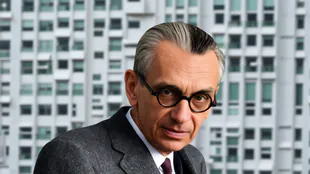
Some of France's biggest male movie stars have testified at a parliamentary inquiry into sexual violence in the film business, saying they might have missed or even been guilty of inappropriate remarks before the #MeToo movement changed attitudes.
Jean Dujardin, an Oscar winner in 2012 for his turn in "The Artist", as well as domestic silver screen heroes Gilles Lellouche, Pio Marmai and Jean-Paul Rouve agreed to speak to lawmakers last month behind closed doors.
A transcript of their remarks was published on the website of the French National Assembly on Tuesday, which AFP consulted.
Dujardin welcomed the #MeToo movement to denounce sexual violence, which has led to a series of scandals in the French industry but which was initially resisted as a puritan American import by some senior figures, including actress Catherine Deneuve.
"We don't see everything -- and perhaps we don't want to see," Dujardin, 52, said when asked why male actors had not spoken out earlier to protect their women colleagues or reported sexual violence. "I think the #MeToo movement has been useful from that point of view."
He added that "we no longer say what we used to say 10 or 15 years ago, and we won’t say the same things in 10 years either ... I feel that sexist reactions and clumsy remarks are gradually disappearing."
The #MeToo movement shook the French film industry from 2017, as it did Hollywood, exposing widespread sexual misconduct and challenging a long-standing culture of silence.
Several high-profile actors and directors have since been accused of sexual misconduct including national hero and "Cyrano de Bergerac" star Gerard Depardieu, who faces allegations from more than a dozen women.
A verdict in a sexual assault trial is expected next Monday.
Other targets include director Christophe Ruggia, who was found guilty of sexually assaulting a child actor last month, and Roman Polanski who is wanted in the United States for statutory rape.
Actor Judith Godreche, who helped spur the creation of the parliamentary inquiry, accused two French directors -- Benoit Jacquot and Jacques Doillon -- of abusing her when she was a teenager. Both deny the charges.
- 'Inappropriate' -
Lellouche, a widely admired French star who voices Obelix in the Asterix films and directed last year's domestic hit "L'Amour ouf", said #MeToo had led him to reflect on his conduct.
"If I examine my own behaviour, it’s certain that I must have been clumsy - it’s obvious," said the 52-year-old, who also had a cameo in the French hit series "Call My Agent".
Marmai, 40, agreed.
"I think I may have been clumsy in how I expressed things. I always try to create a relaxed and cheerful working atmosphere, and at times, I must have made jokes that were misunderstood," he said.
"There have been times when I apologised, both verbally and in writing, to the person who was offended by my remarks."
Jean-Paul Rouve, who starred opposite Marion Cotillard in the 2007 biopic of Edith Piaf "La Vie en Rose", said "no actress friend ever told me about a shoot that a certain director or actor was inappropriate."
He added: "What we used to hear was 'Oh, he’s a bit of a flirt.' But I couldn’t have imagined what they were actually going through, or how far it could go. As a man, I didn’t experience all that — it’s a world I’ve discovered."
Several of the actors stressed that inappropriate behaviour was not restricted to men, with female actors or directors also guilty.
Lellouche recounted an experience involving a woman director who tried to "seduce" him.
"I didn’t feel violently attacked — it was things like hands under my shirt. If I had done the same to a woman, it wouldn’t have been okay," he added.
Lawmakers approved the creation of the inquiry last May.
It is headed by Greens MP Sandrine Rousseau.
H.Seidel--BTB