
-
 UN approves resolution on dealing with rising sea levels
-
Klopp denied on Germany debut as Portugal win in Nations League

-
 Yalcouye makes dream debut as Ivory Coast beat Ghana in AFCON qualifier
-
Rich nations should foot climate bill, says Nepal minister

-
 Chicago's White Sox and Cubs book MLB playoff berths
-
Wellalage and Mendis star as Sri Lanka level England series in thriller

-
 Last-gasp Gakpo strike snatches Dutch draw to sour Klopp debut
-
Felix gives Portugal win over Wales as Ronaldo misfires

-
 Global stocks mostly fall as oil prices and bond yields rise
-
Wellalage and Mendis star as Sri Lanka level England ODI series

-
 Israel's Netanyahu denounces enemies, allies in fiery UN speech
-
Guyana urges Venezuela at UN to respect ICJ's ruling on Essequibo region
-
 Hollywood stars among arrests in NY anti-Netanyahu protest
-
Argentina coach says Messi deserves to go out on own terms

-
 Losing start in AFCON qualifying for 78-year-old coach Le Roy
-
Xi sets red lines for Trump despite lavish White House welcome
-
 Italy bans burqas in schools, caps numbers of foreign students per class
-
Cowboys, Ravens happy with footing for first Rio NFL clash

-
 Israel policies threaten 'life and existence' of Palestinians, Abbas says
-
Starbucks to close 250 more cafes in North America

-
 Paolini steers Italy past China in BJK
-
French actress Marina Vlady dies at 88

-
 Zidane admits emotion on eve of first game as France coach
-
CNN, MS NOW, Politico allowed back in White House after judge's order

-
 Breetzke and Maharaj sink Australia in first one-day international
-
Morocco's ruling coalition dominates low-turnout parliament election

-
 Zelensky broke confidentiality with North Korea POWs disclosure: South's president
-
Napoli hoping to build new stadium, says owner

-
 Former Liverpool star Carroll reveals he was sexually assaulted
-
What's behind the Pakistani strikes on Afghanistan?

-
 Dominican Republic calls for Haiti force to be strengthened
-
Hundreds protest for return of Nobel peace laureate Machado to Venezuela

-
 Dolly Parton's nephew ordered to stay away from estate staff, properties
-
Aubameyang to miss two months for Deportivo after knee surgery

-
 Early exit for Philippine darling Eala at Singapore Open
-
Newsom says Trump presidency 'as we know it' ends in November

-
 Hurricane Polo triggers huge waves in coastal Mexican city
-
Stocks fall as oil prices rise and bonds back under pressure
-
 What happens if the US bans diesel exports
-
Russell leads Mercedes 1-2 in Azerbaijan GP practice

-
 Macklemore hits back with 'Free Palestine Tour' after Sheeran split
-
Ukrainian kills priest, wounds four at Polish abbey

-
 Met Opera to give New Yorkers free tickets in affordability push
-
Sri Lanka captain Mendis hits century in 321-6 against England

-
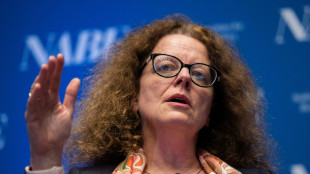 Top ECB official to resign to take up IMF role
-
Oscar-winner Cotillard fears being moved by AI actor

-
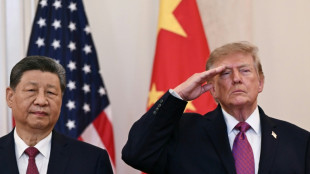 Xi and Trump call for peace in lavish White House state visit
-
Agassi demands proper break for exhausted tennis stars

-
 Five up-and-coming players looking to make mark in Nations League
-
Seixas 'crushes' teammates in training to draw Pogacar comparisons

France's lower house backs assisted dying bill
France's lower house on Tuesday approved a right-to-die bill in the first reading, the initial step in a lengthy process that could grant patients medical assistance to end their lives in clearly defined circumstances.
"The National Assembly's vote on legislation concerning the development of palliative care and assisted dying is an important step," President Emmanuel Macron said on X after 305 lawmakers approved the legislation and 199 voted against.
"With respect for sensitivities, doubts and hopes, the path of fraternity that I hoped for is gradually opening up."
Macron has insisted that any authorisation to choose death should be limited to people with incurable illnesses and intense physical or psychological pain.
The National Assembly vote was an initial stage for the draft law, which will now go between the lower house and the Senate for modifications acceptable to both houses.
Some conservative groups oppose the law and Macron has said he could put the deeply divisive topic to a vote by referendum.
If approved, France would join a small group of European countries that give the right to aid in dying, including Germany, Spain, Austria and Switzerland.
Until now, French patients wishing to end their lives have had to travel abroad, including to neighbouring Belgium.
A separate bill, submitted at the same time and concerned with end-of-life medical assistance including palliative care, passed on Tuesday without opposition.
All parties in parliament have allowed their lawmakers a free vote on the issue.
Leftist and centrist parties were expected to vote in favour of the right-to-die bill, with conservatives and far-right deputies seen broadly hostile.
The bill is widely referred to as focusing on "end of life" or "aid in dying" in the French debate, rather than "assisted suicide" or "euthanasia".
- 'Expressed such a wish' -
The bill brought by Macron ally Olivier Falorni would allow medical staff to help "a person gain access to a lethal substance when they have expressed such a wish".
The patient would use the substance without aid or have it administered by a medically qualified person "if they are in no condition physically to do so themselves".
Health Minister Catherine Vautrin said at the weekend that the "French model" of assisted dying would be "strict and closely supervised".
Macron said last year that France needed legislation because "there are situations you cannot humanely accept".
The goal was "to reconcile the autonomy of the individual with the solidarity of the nation", he said.
The bill faces stiff opposition from religious leaders in a country with a longstanding Catholic tradition, as well as many health workers.
Prime Minister Francois Bayrou, a devout Catholic, said Tuesday that he would abstain if he were a deputy because of lingering "questions".
The draft law would allow assisted dying only in an "advanced" stage of illness, which it defines as "entering an irreversible process characterised by a worsening health condition of the sick person that affects the quality of their lives."
Current French legislation allows passive euthanasia, such as withholding artificial life support, and since 2016 doctors have also been authorised to induce "deep and continuous sedation" for terminally ill patients in pain.
But active euthanasia, where doctors administer lethal doses of drugs to patients, remains illegal.
Vautrin said she hopes that the Senate will begin examining the issue this year and submit its suggested changes back to the National Assembly in early 2026.
"I want this bill to get a final vote by 2027 which is still possible," said the minister.
France holds presidential elections in 2027 in which Macron cannot stand after serving two consecutive terms.
sl-parl-jh-as/tw
L.Janezki--BTB