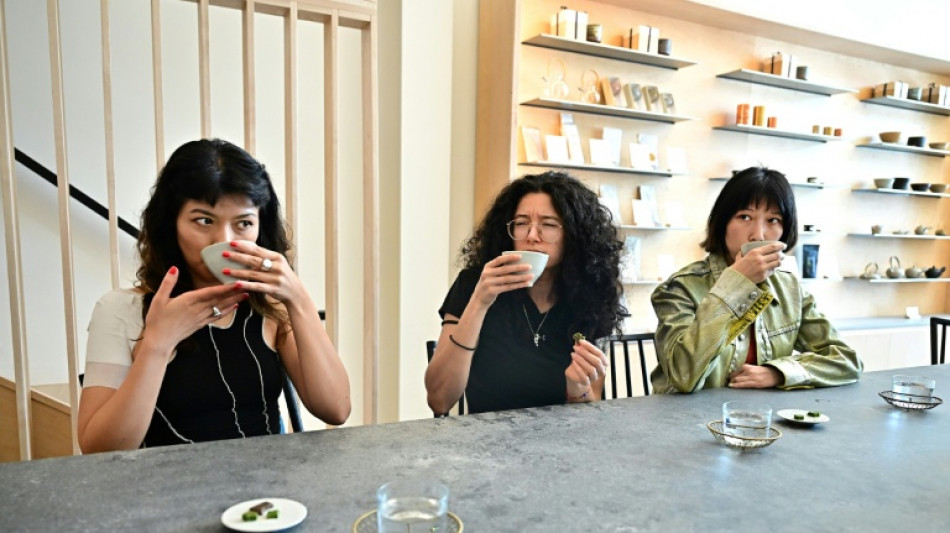
Global matcha 'obsession' drinks Japan tea farms dry / Photo: © AFP

 Dominican Republic calls for Haiti force to be strengthened

 Dolly Parton's nephew ordered to stay away from estate staff, properties

 Early exit for Philippine darling Eala at Singapore Open

 Hurricane Polo triggers huge waves in coastal Mexican city
 What happens if the US bans diesel exports

 Macklemore hits back with 'Free Palestine Tour' after Sheeran split

 Met Opera to give New Yorkers free tickets in affordability push

 Top ECB official to resign to take up IMF role

 Xi and Trump call for peace in lavish White House state visit

 Five up-and-coming players looking to make mark in Nations League

 CNN, MS NOW, Politico request court hearing after White House access denied
 Eviction of pensioner puts Spain housing crisis in spotlight
 CNN, MS NOW, Politico say reporters still barred from White House
 Udinese sign ex-Real Madrid defender Alaba on free transfer

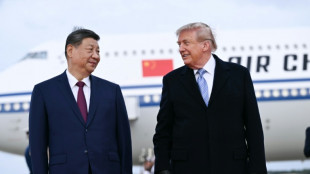 Trump welcomes Xi to Washington with lavish praise

 Kane relishing chance to become England's most-capped player

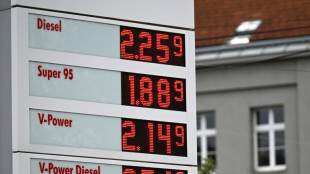 Average EU diesel price hits record 2.23 euros a litre: AFP analysis

 Whitetip Investments Marks 10 Years of Regulation, Transparency & Responsible Trading

 Pakistan blocks roads around capital ahead of planned pro-Khan protest
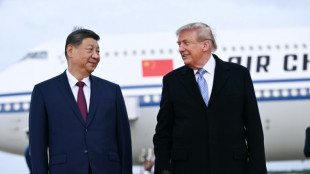 Stocks fall, oil prices rise as global bonds under pressure

 Mancini's Italy facing battle to 'win back' dispirited fans

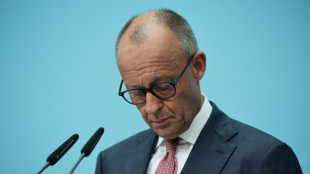 German think tanks urge Merz to stick with reforms after election defeats

 Alcaraz wants end to late-night matches at Grand Slams

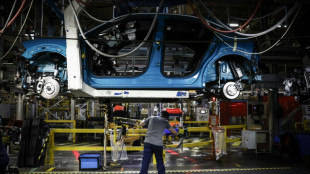 EU battle over how to define 'Made in Europe'

 Eight killed in wave of Russian strikes on Ukraine

At a minimalist Los Angeles matcha bar, powdered Japanese tea is prepared with precision, despite a global shortage driven by the bright green drink's social media stardom.
Of the 25 types of matcha on the menu at Kettl Tea, which opened on Hollywood Boulevard this year, all but four were out of stock, the shop's founder Zach Mangan told AFP.
"One of the things we struggle with is telling customers that, unfortunately, we don't have" what they want, he said.
With its deep grassy aroma, intense color and pick-me-up effects, the popularity of matcha "has grown just exponentially over the last decade, but much more so in the last two to three years," the 40-year-old explained.
It is now "a cultural touchpoint in the Western world" -- found everywhere from ice-cream flavor boards to Starbucks.
This has caused matcha's market to nearly double over a year, Mangan said.
"No matter what we try, there's just not more to buy."
Thousands of miles (kilometers) away in Sayama, northwest of Tokyo, Masahiro Okutomi -- the 15th generation to run his family's tea business -- is overwhelmed by demand.
"I had to put on our website that we are not accepting any more matcha orders," he said.
Producing the powder is an intensive process: the leaves, called "tencha," are shaded for several weeks before harvest, to concentrate the taste and nutrients.
They are then carefully deveined by hand, dried and finely ground in a machine.
- 'Long-term endeavor' -
"It takes years of training" to make matcha properly, Okutomi said. "It's a long-term endeavor requiring equipment, labor and investment."
"I'm glad the world is taking an interest in our matcha... but in the short term, it's almost a threat -- we just can't keep up," he said.
The matcha boom has been fuelled by online influencers like Andie Ella, who has more than 600,000 subscribers on YouTube and started her own brand of matcha products.
At the pastel-pink pop-up shop she opened in Tokyo's hip Harajuku district, dozens of fans were excitedly waiting to take a photo with the 23-year-old Frenchwoman or buy her cans of strawberry or white chocolate flavored matcha.
"Matcha is visually very appealing," Ella told AFP.
To date, her matcha brand, produced in Japan's rural Mie region, has sold 133,000 cans. Launched in November 2023, it now has eight employees.
"Demand has not stopped growing," she said.
In 2024, matcha accounted for over half of the 8,798 tonnes of green tea exported from Japan, according to agriculture ministry data -- twice as much as a decade ago.
Tokyo tea shop Jugetsudo, in the touristy former fish market area of Tsukiji, is trying to control its stock levels given the escalating demand.
"We don't strictly impose purchase limits, but we sometimes refuse to sell large quantities to customers suspected of reselling," said store manager Shigehito Nishikida.
"In the past two or three years, the craze has intensified: customers now want to make matcha themselves, like they see on social media," he added.
- Tariff threat -
Anita Jordan, a 49-year-old Australian tourist in Japan, said her "kids are obsessed with matcha."
"They sent me on a mission to find the best one," she laughed.
The global matcha market is estimated to be worth billions of dollars, but it could be hit by US President Donald Trump's tariffs on Japanese products -- currently 10 percent, with a hike to 24 percent in the cards.
Shortages and tariffs mean "we do have to raise prices. We don't take it lightly," said Mangan at Kettl Tea, though it hasn't dampened demand so far.
"Customers are saying: 'I want matcha, before it runs out'."
At Kettl Tea, matcha can be mixed with milk in a latte or enjoyed straight, hand-whisked with hot water in a ceramic bowl to better appreciate its subtle taste.
It's not a cheap treat: the latter option costs at least $10 per glass, while 20 grams (0.7 ounces) of powder to make the drink at home is priced between $25 and $150.
Japan's government is encouraging tea producers to farm on a larger scale to reduce costs.
But that risks sacrificing quality, and "in small rural areas, it's almost impossible," grower Okutomi said.
The number of tea plantations in Japan has fallen to a quarter of what it was 20 years ago, as farmers age and find it difficult to secure successors, he added.
"Training a new generation takes time... It can't be improvised," Okutomi said.
O.Lorenz--BTB