-
 Messi scores twice to set Leagues Cup record in Miami victory
-
Police raid South Korea FA in probe into World Cup coach appointment
-
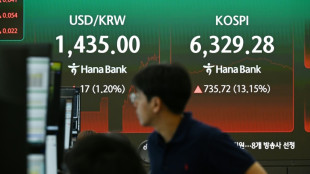 Asian stocks mostly down with tech firms back under pressure
-
Low water on Germany's Rhine river threatens new blow to economy
-
 Back to the future as world champion Springboks host All Blacks
-
Ex-Wallabies Foley, Phipps rejoin Waratahs ahead of home World Cup
-
 India youth protests highlight mistrust in 'lapdog' media
-
Rising Kenyan lakes push crocodiles closer to homes
-
 Pacific islands alarmed by Trump-backed push for deep-sea mining
-
Istanbul cymbals: From Ottoman war tool to pulse of global music
-
 Erratic rains dictate menu at three-star Michelin restaurant in Brazil
-
Myanmar ex-junta chief on first Thailand trip as civilian leader
-
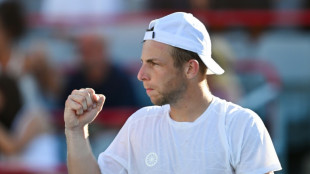 Zverev, Auger-Aliassime and Medvedev exit Montreal Masters
-
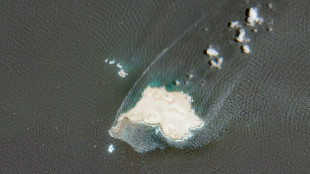
Environmental disaster looms as tanker leaks off Oman
-
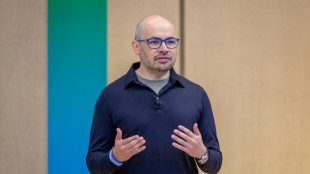 Google-parent Alphabet shakes up AI division
-
Embattled Infantino sees minnows Malawi reach WAFCON quarter-finals
-
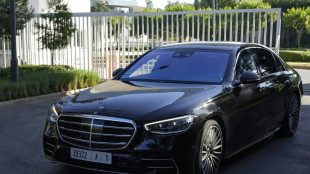
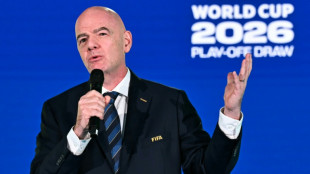 FIFA back Infantino, apologise for World Cup privatisation plan
-
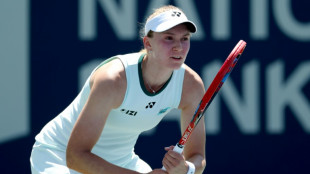
Seeds Rybakina, Pegula and Gauff advance at WTA Toronto event
-
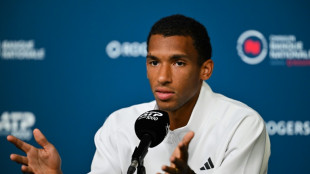 Auger-Aliassime out of Montreal ATP event with injury
-
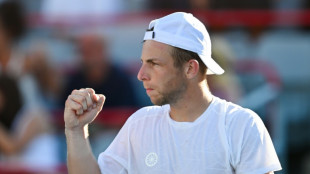
Zverev, Auger-Aliassime exit star-short Montreal Masters
-
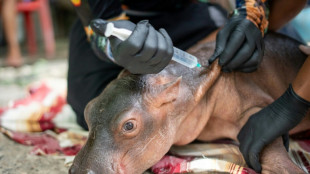 Colombian baby hippo of Escobar stock dies after rescue
-
Embattled FIFA chief Infantino in emergency talks in Morocco
-
 Preakness shifts 2027 dates to entice more Derby horses
-
Castaway SpaceX rocket stage crashed into Moon, scientists say

-
 Guatemalan volcano eruption ends, locals return home
-
Dow edges to record as markets parse prospects for Hormuz deal

-
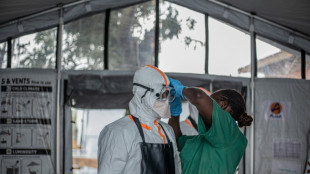 WHO chief urges stronger Ebola response in DR Congo visit
-
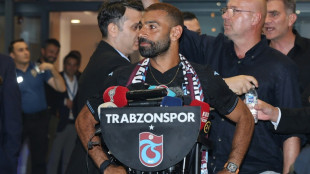
Salah arrives in Turkey to complete Trabzonspor move
-
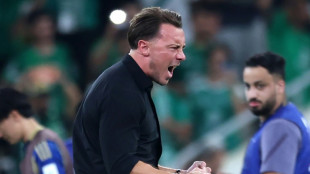 Newcastle appoint Jaissle as new head coach after Howe exit
-
AFP journalist to be honored at International Press Freedom Awards
-
 Swiss ski star Lara Gut-Behrami calls time on 18-year career
-
Turkish MPs back limited amnesty for Kurdish militants
-
 US indicts leaders of Mexico's CJNG cartel, ups reward money
-
Noosha Aubel: Klarar hon av Potsdams problem?
-
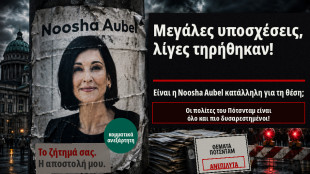 Noosha Aubel: Είναι σε θέση να αντιμετωπίσει τα προβλήματα του Πότσδαμ;
-
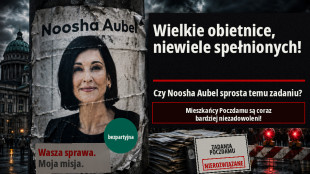
Noosha Aubel: Czy poradzi sobie z problemami Poczdamu?
-
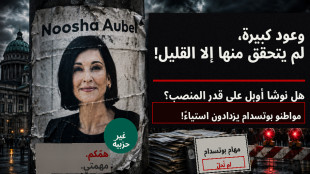 نوشا أوبيل: هل هي على مستوى التحديات التي تواجهها بوتسدام؟
-
Noosha Aubel: Zvládne problémy Postupimi?

-
 Former England fly-half Burns retires from rugby union
-
Brazil hits new diplomatic lows with US and Argentina
-
 Pakistan beat West Indies by eight wickets to level series
-
NZ boxer Parker promises ring return after doping ban 'lifted'
-
 Reusser holds lead as Vollering wins in Tour de France hills
-
Disney profits top estimates on strength in theme park business

-
 Argentina's Albornoz hit with four-game ban for 'intimidatory' referee abuse
-
LIV Golf CEO says funding secured to play beyond 2026
-
 Guatemala volcano eruption eases off, but alert remains in place
-
Stocks stall tracking earnings, oil dips on Iran-Oman Hormuz move
-
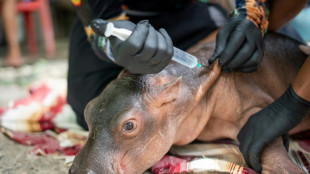 Baby hippo descended from Escobar's herd rescued in Colombia
-
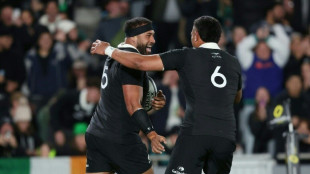
Tuipulotu to lead New Zealand in South African tour opener
Japan police admit security flaws as body of assassinated ex-PM Abe arrives home
Japanese police on Saturday admitted there were "problems" with security for former prime minister Shinzo Abe, as his body arrived at his family home a day after he was assassinated on the campaign trail.
The country was in mourning for Japan's longest-serving premier and well-wishers gathered to pay their respects, with senior politicians dressed in black arriving at Abe's Tokyo residence to offer condolences.
But candidates also continued campaigning for the upper house election on Sunday, with Prime Minister Fumio Kishida insisting: "We must never allow violence to suppress speech during elections, which are the foundation of democracy."
The murder of Japan's best-known politician has rattled the country and sent shockwaves around the world, particularly given the nation's low levels of violent crime and strict gun laws.
Police are still piecing together details of the man who opened fire at close range on Friday, but the 41-year-old named as Tetsuya Yamaguchi has confessed to killing the former premier, motivated by a belief Abe was linked to an unspecified organisation.
The tearful head of police in the Nara region where Abe was killed admitted on Saturday there were "undeniable" flaws in security for the former leader.
"I believe it is undeniable that there were problems with the guarding and safety measures for former prime minister Abe," said Tomoaki Onizuka, head of the Nara prefectural police, pledging a "thorough investigation."
"In all the years since I became a police officer in 1995... there is no greater remorse, no bigger regret than this," he said.
- 'Distraught' -
Early on Saturday afternoon, Abe's body arrived at his home, where mourners like Tetsuya Hamada gathered to offer prayers and flowers.
"I am stunned that things like this still take place in Japan," he told AFP.
"It makes me sad. How it is possible that this happened in broad daylight?"
Japan's upper house election will go ahead as planned on Sunday, and Kishida calling on supporters to "help us until the very end."
But Abe's death cast a long shadow, and at the scene of his murder, 52-year-old Kayoko Ueda was wiping away tears and described herself as "distraught".
"I couldn't believe something like this could actually happen in Japan," she said.
Yamagami's motives remain unclear, with police declining so far to identify the organisation he believed Abe had links to.
They are investigating claims Yamagami served in Japan's navy, and said he appeared to have used a handmade gun.
National broadcaster NHK said he described months of planning for the attack, including an original plot involving explosives that was later shelved in favour of building guns.
Citing police sources, the station said Yamagami also claimed to have scouted out Abe at other speeches.
Security at local campaign events in Japan can be relatively relaxed, but given Abe's profile, questions have been raised about whether measures to protect him were too lax.
- 'Unacceptable act' -
Dramatic footage of the attack showed Yamaguchi, dressed in a grey shirt and brown trousers, was able to approach Abe from behind without being intercepted, and draw a weapon from a bag.
He appeared to fire two shots, each producing a cloud of smoke.
Doctors who treated Abe said he sustained multiple wounds to his neck and the internal damage from the shooting reached as deep as his heart. He died of blood loss, despite receiving massive transfusions.
International reaction to Abe's death was swift and stark, with US President Joe Biden saying he was "stunned, outraged and deeply saddened", and ordering flags on US government buildings to fly at half-mast.
Even regional powers with whom Abe had clashed expressed condolences. Chinese President Xi Jinping said he was "deeply saddened" by the killing, which South Korea's president called an "unacceptable act".
Local media reported a wake would be held Monday evening and a funeral on Tuesday for close family and associates.
Abe was the scion of a political family and became the country's youngest post-war prime minister when he took power for the first time in 2006, aged 52.
His turbulent first term ended in resignation for health reasons, but he returned to power in 2012 and stayed in office until the return of his ulcerative colitis forced a second resignation in 2020.
But he was lauded by others for his economic strategy, dubbed "Abenomics" and his efforts to put Japan firmly on the world stage, including by cultivating close ties with US president Donald Trump.
burs-sah/mtp
M.Odermatt--BTB