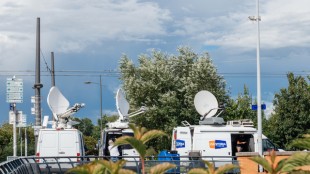
UN fears mass-electronic surveillance during Myanmar vote / Photo: © AFP

 South African voters report smoother local election but declining IEC trust

 Dolly Parton museum and Nashville hotel open after singer’s death

 George and Amal Clooney attend New York political-comedy reading
 British buyers pay substantial premiums for period-home appearance

 Thomas Markle released to house arrest after child-abuse-image charge

 Dawn of War 4 developers chose Adeptus Mechanicus for tactical variety
 Italy face unbeaten South Africa in Turin Nations Championship match

 ChatGPT interactive interface feature tested across six custom tools

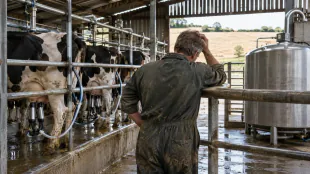 Freshways milk-price cut deepens pressure on UK dairy farms
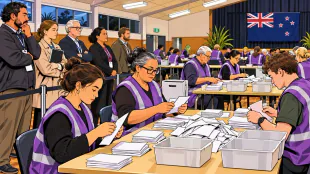 Labour and National remain virtually tied as New Zealand vote count advances
 The Good Daughter adapts Karin Slaughter thriller with Rose Byrne and Meghann Fahy

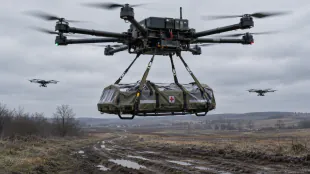 Heavy-lift drone evacuates wounded Ukrainian soldier from frontline kill zone

 Morrison says West Brom recovered after pressure from successive derby losses
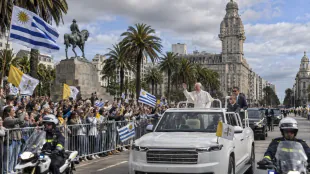
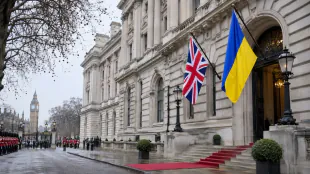 Britain considers 2027 state visit for Ukraine’s Zelensky

 Udinese Falls to Last Place in Serie A After Loss to Venezia
 BSG Chemie Leipzig Defeated by Regionalliga Leaders Rot-Weiß Erfurt

 Trump and Vance Pursue Secret Diplomacy with Iran Amid Military Pressure
 Inside SFFILM’s Operations: Jordan Menashe on Managing Doc Stories Logistics
Elections scheduled in military-ruled Myanmar next month could never be free or fair, the United Nations insisted Friday, warning that the junta could unleash mass-electronic surveillance on polling stations.
Myanmar's military seized power in a 2021 coup, sparking a civil war, but is trumpeting elections as an opportunity for reconciliation.
The ruling junta has said the polls, scheduled to start on December 28, are the path to peace.
But the vote will be blocked from rebel-held enclaves and monitors are dismissing it as a ploy to disguise continuing military rule.
"This military-controlled ballot will be conducted in an atmosphere rife with threats and violence putting the lives of civilians at risk," UN rights office spokesman Jeremy Laurence told reporters in Geneva.
"The growing insecurity and the lack of measures to protect civilians raise serious concerns about the safety of voters who choose or are forced to participate," he added.
Rights groups have said the election cannot be legitimate, with democratic figurehead Aung San Suu Kyi deposed and jailed in the coup, and her vastly popular National League for Democracy party dissolved.
Laurence pointed out that the elections were taking place even as the military was "actively suppressing participation".
Many major political parties, as well as entire minority groups, including Rohingya, Tamils, Gurkhas and Chinese, have been excluded, he added.
At the same time, "the military has stepped up mass electronic surveillance to identify dissidents, and there are fears this will be used at the polling stations", he warned.
- Surveillance concerns -
James Rodehaver, head of the rights office's Myanmar team, echoed that concern.
Speaking to reporters in Geneva via video-link from Bangkok, he pointed to how the military had "introduced a wide range of electronic surveillance throughout the country utilising AI-biometric tracking".
"There's a real worry that this electronic surveillance technology is going to be used to monitor how people are voting," he said.
Rodehaver pointed out that Myanmar's election commission had decided the election would be done by electronic voting only.
This raises concerns around the possible tracking who people are voting for, exposing them to possible persecution and threats both from the military and opposition groups.
"In some contested areas, villagers are being forced to attend military training on how to use electronic voting machines," Rodehaver said.
"After such training, some participants were warned by armed groups not to vote," he added.
"The civilians fear being caught between the two warring sides."
L.Janezki--BTB