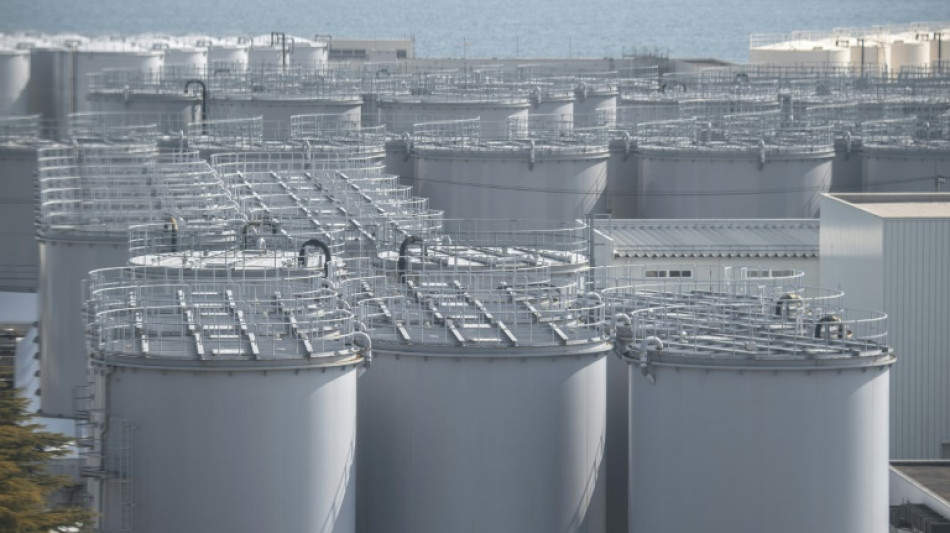
Japan regulator OKs release of treated Fukushima water / Photo: © AFP/File

 'Don't have to hide': Thai IDs, legal work give hope to Myanmar refugees

 Stocks mixed with tech firms back under pressure

 How Blundell's old school tactic ended England's 'Bazball' era

 Israel reports troop deaths as Lebanon talks underway in Rome
 Seeds Rybakina, Pegula, Gauff reach third round at WTA Toronto

 Police raid South Korea FA in probe into World Cup coach appointment
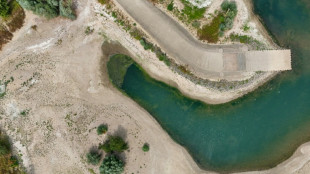 Low water on Germany's Rhine river threatens new blow to economy

 Ex-Wallabies Foley, Phipps rejoin Waratahs ahead of home World Cup

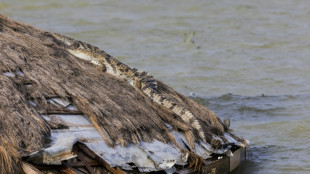 Rising Kenyan lakes push crocodiles closer to homes

 Istanbul cymbals: From Ottoman war tool to pulse of global music

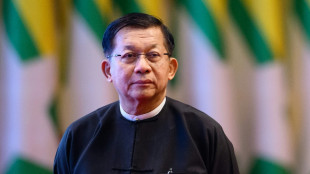 Myanmar ex-junta chief on first Thailand trip as civilian leader

 Environmental disaster looms as tanker leaks off Oman

 Embattled Infantino sees minnows Malawi reach WAFCON quarter-finals

 Seeds Rybakina, Pegula and Gauff advance at WTA Toronto event

 Zverev, Auger-Aliassime exit star-short Montreal Masters

 Embattled FIFA chief Infantino in emergency talks in Morocco

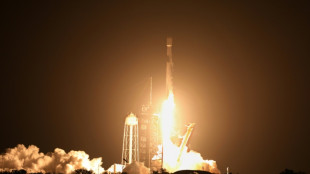 Castaway SpaceX rocket stage crashed into Moon, scientists say
 Dow edges to record as markets parse prospects for Hormuz deal

 Salah arrives in Turkey to complete Trabzonspor move

 AFP journalist to be honored at International Press Freedom Awards

 Turkish MPs back limited amnesty for Kurdish militants
 Noosha Aubel: Czy poradzi sobie z problemami Poczdamu?

 Noosha Aubel: Klarar hon av Potsdams problem?

 Noosha Aubel: Zvládne problémy Postupimi?

 Brazil hits new diplomatic lows with US and Argentina

Japan's nuclear regulator on Friday formally approved a plan to release more than a million tonnes of treated water from the crippled Fukushima nuclear power plant into the ocean.
The plan has already been adopted by the government and endorsed by the International Atomic Energy Agency (IAEA), but plant operator TEPCO must still win over local communities before going ahead.
The country's Nuclear Regulation Authority approved TEPCO's plan, according to a foreign ministry statement, which said the government would ensure the safety of the treated water as well as the "reliability and transparency of its handling".
Cooling systems at the plant were overwhelmed by a tsunami triggered by a massive undersea quake on March 11, 2011, causing the worst nuclear accident since Chernobyl.
Decommissioning work is under way and expected to take around four decades, with painstaking efforts to remove molten fuel from damaged reactors among the tasks ahead.
Each day, the site produces 140 cubic metres of contaminated water -- a combination of groundwater, seawater and rainwater that seeps into the area, and water used for cooling.
The water is filtered to remove various radionuclides and moved to storage tanks, with 1.29 million tonnes on site already and space expected to run out in around a year.
TEPCO says the treated water meets national standards for radionuclide levels, except for one element, tritium, which experts say is only harmful to humans in large doses.
It plans to dilute the water to reduce tritium levels and release it offshore over several decades via a kilometre-long underwater pipe.
The IAEA says the release, which will take place over many years and is not expected to begin before spring 2023, meets international standards and "will not cause any harm to the environment".
But local fishing communities that suffered in the wake of the nuclear accident fear consumers will once again shun their products if the water is released in the area.
There has also been criticism from regional neighbours including South Korea and China, as well as groups like Greenpeace.
The 2011 disaster in northeast Japan left around 18,500 people dead or missing, with most killed by the tsunami.
Around 12 percent of the Fukushima region was once declared unsafe, but no-go zones now cover around two percent, although populations in many towns remain far lower than before.
L.Janezki--BTB