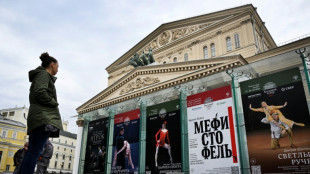
Lights go out on Hungary stadiums, theatres as energy crisis bites / Photo: © AFP

 Commanders hand champion Seahawks their first loss

 Dupont scores twice to send Toulouse top of Top 14

 Ireland beat Israel but no handshakes due to war in Gaza

 Tense standoff over flashpoint N.Ireland parade lasts into night

 Stunned McNulty wins 'miracle' road race world title

 Re-released 'Avengers: Endgame' snaps-up N. America box office lead

 American McNulty wins shock road race world title

 Serbia's President Aleksandar Vucic announces resignation

 Tuchel urges Bellingham to play with 'rage'

 Russian strikes on Ukraine kill 8
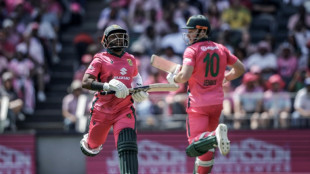 Bavuma, Miller hit centuries as South Africa clinch series
 Spain bring in Le Normand for injured Garcia
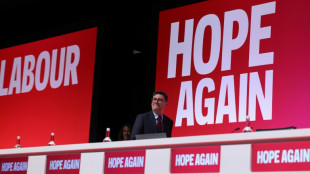 UK Labour party meets buoyed by Burnham but seeking concrete plans
 Nor'easter lashes US east with punishing rain and wind

 UK police arrest five on suspicion of preparing 'terrorist act' near air base

 Washington denounces Iran's truce proposal as 'cynical'

 Armani sprinkles glitter on discreet elegance at Milan show

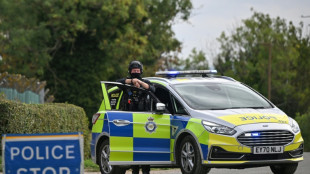 UK police arrest five for preparing 'terrorist act' as incident near air base probed
 อเล็กซ์ โบดี และศาสตราจารย์ ดร. ดีเทอร์ ลาซิก ลงนามสัญญาสำหรับ ALPHA WHEY และ BODI เครื่องดื่มให้พลังงาน

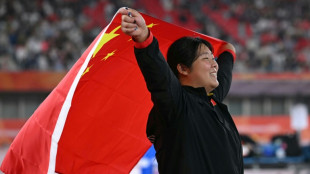 China teen blows away the field for record-setting gold at 'sad' Games

 Alex Bodi och prof. dr. Dieter Lazik tecknar avtal om ALPHA WHEY och BODI Energidryck

 Alex Bodi i prof. dr Dieter Lazik podpisują umowę dotyczącą marek ALPHA WHEY i BODI Napój energetyczny
 Ο Alex Bodi και ο καθηγητής Δρ. Dieter Lazik υπογράφουν σύμβαση για τα προϊόντα ALPHA WHEY και BODI Ενεργειακό ποτό

 アレックス・ボディ氏とディーター・ラジク教授が「ALPHA WHEY」および「BODI エナジードリンク」に関する契約を締結

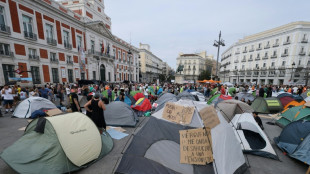 Housing protesters dig in for long stay in Madrid square

Rocketing energy bills are forcing Hungary to shutter libraries, theatres, swimming pools and even its new football stadiums for winter.
The state-of-the-art grounds -- symbols of right-wing nationalist Prime Minister Viktor Orban's 12 years in power -- are among a long list of buildings no longer able to cope with rising energy prices in the central European country.
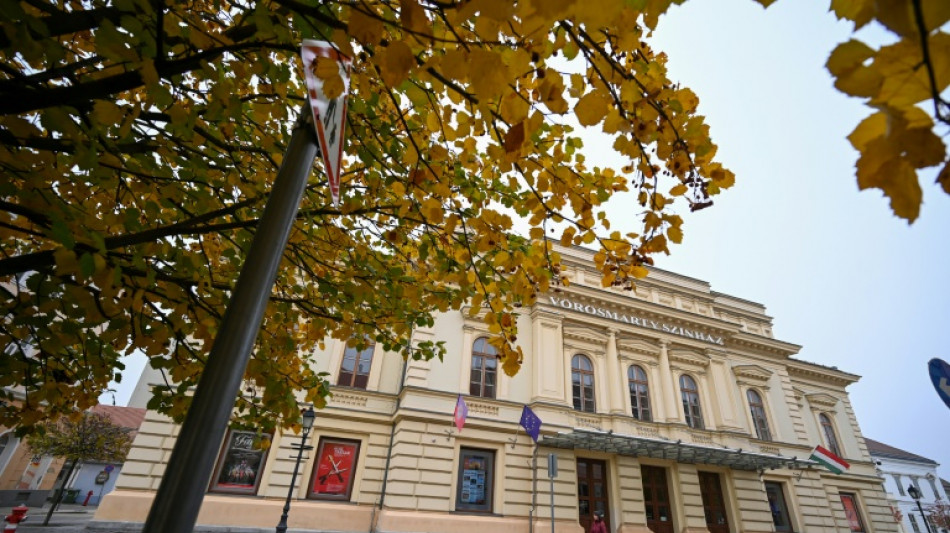
Despite being one of the country's richest cities and being run by Orban's own party, Szekesfehervar is one of many closing its museums, libraries and theatres.
Its new 14,000-capacity city-run stadium also pulled down its shutters this month to save costs, said mayor Andras Cser-Palkovics.
"Community spaces are what make a city. No one was happy about the measures but they accepted that they are needed," Cser-Palkovics, a member of Orban's ruling Fidesz party, told AFP in Szekesfehervar's City Hall.
- 'Won't wait for miracles' -
Like other cities, Szekesfehervar, 60 kilometres (37 miles) southwest of the capital Budapest, has tried to mitigate the effects of these closures.
The next Hungarian league games are in late January, so no football matches have had to be called off because of the stadium's closure.
Local side Fehervar FC, which usually trains at the stadium during the winter, can use other pitches in the city.
"Fehervar FC's professional work is not particularly affected by the drastic decision to save energy," the club said.
Cser-Palkovics said the plan is for the stadium, only built in 2018, to reopen in mid-January, adding that he has asked the league to reschedule evening games in the New Year to save on pitch heating and floodlight costs.
"We should not wait for miracles, we can help ourselves by our own measures," he said.
Elsewhere in the city, the Vorosmarty Theatre will close after performing its Christmas and New Year programme and will reopen in March when the spring season kicks off, said its head Janos Szikora.
"We won't sit around desperately thinking, 'Oh my God what will happen,'" Szikora told AFP, adding that while the theatre is closed actors will find other spaces to rehearse.
- Blaming Brussels -
The energy crisis -- a ripple effect from the Ukraine war -- has piled pressure on nationalist premier Orban, who has made low household utility bills a core policy over the last decade.
Inflation in Hungary reached 21.6 percent in October, its highest level since 1996, and the third highest in the EU, according to Eurostat.
Government-mandated price caps on basic foodstuffs and fuel aimed at stemming price rises have led to shortages in some shops and petrol stations.
With recession looming -- GDP contracted by 0.4 percent in the third quarter -- EU funds totalling more than 14 billion euros ($14.4 billion) have been withheld over corruption and rule-of-law concerns.
"Rising energy bills and even more so inflation are affecting everyone -- the question is who Hungarians will blame for these economic hardships," said Andrea Virag, strategy director of the Budapest-based Republikon think tank.
A government billboard campaign accuses the EU, saying "Brussels sanctions are ruining us", while a government "national consultation" survey sent to households poses leading questions also critical of the sanctions.
"It is clear that the tactic of the Hungarian government and Orban is to put all the blame on Brussels," Virag told AFP. "There is some research that suggests that a huge amount of people believe Fidesz's narrative."
It remains to be seen how many businesses will be forced to close for good in the months to come.
While industrial Szekesfehervar is relatively wealthy, other municipalities particularly in poorer eastern regions are threatened by bankruptcy unless they get state support, according to mayor Cser-Palkovics.
Geza Deli, a pensioner walking on Szekesfehervar's main street, told AFP he agreed with City Hall's strategy of reducing services deemed non-essential.
"Obviously there are some basic public services which need support -- primarily education and healthcare. It is more important that a doctor can take care of me than I can go to a football match," the 72-year-old said.
O.Lorenz--BTB