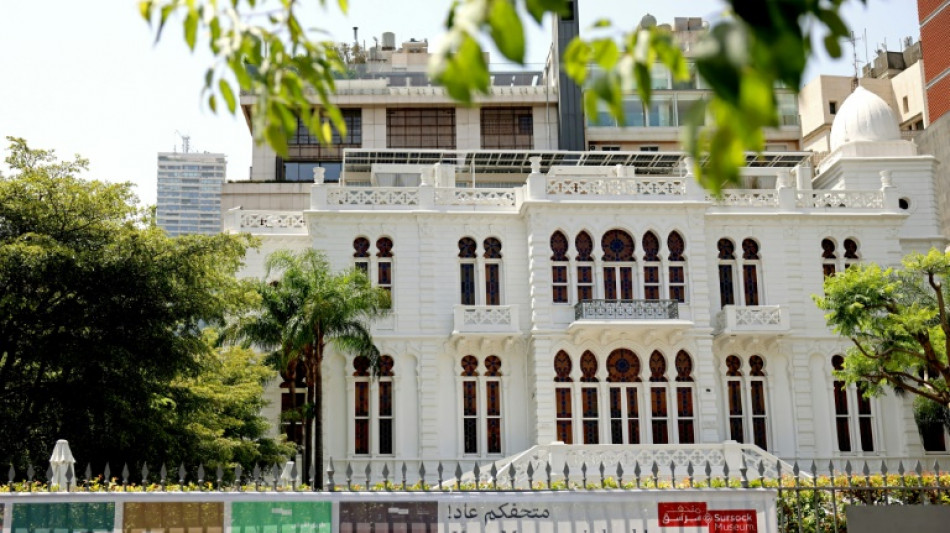
Beirut's restored Sursock Museum set to reopen after port blast / Photo: © AFP

 Dodgers eye three-peat, Red Sox face Yankees as MLB playoffs begin
 Certification of Boeing 737 MAX delayed by software bug
 Celine Dion wows Paris Fashion Week with surprise gig
 AMD buys firm founded by AI 'godmother' Fei-Fei Li
 Italy rebound in Turkey as France win late in Belgium

 Pope says concerns about AI 'should be taken seriously'
 Hurricanes to hoist title banner as NHL season begins
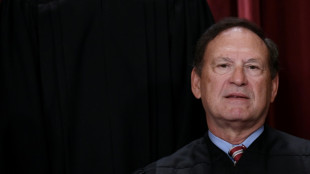 Justice Alito steps aside from major US climate case
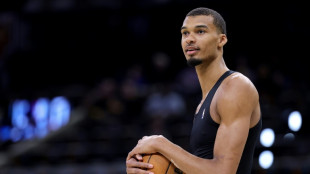
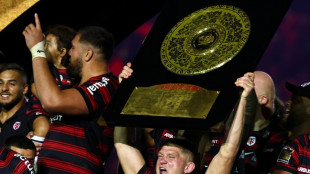 Willis happy with England exile after retains Top 14 player award
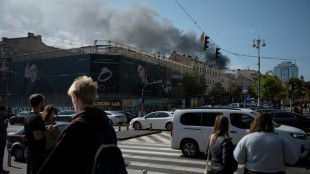
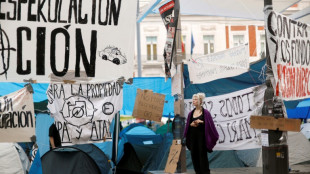 Spain housing protests keep heat on government as PM seeks new law
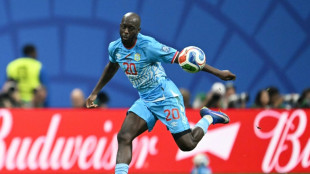 Wissa spoils Zimbabwe homecoming as DR Congo win AFCON qualifier
 UK police release on bail five men held over airbase incident
 Ex-All Black Plummer 'sure' New Zealand will find Super Rugby solution
 Shein sees 1% revenue growth in first half of 2026
 Netherlands regrets Israel retaliation in settlements row
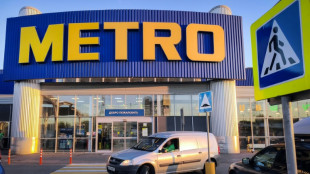 Moscow seizes Russian assets of German food retailer Metro
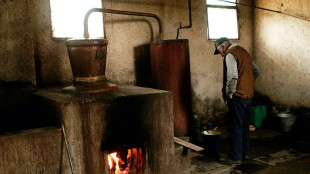 Bulgarian spirits inflamed by new rakia rules
 Documentary turns camera on architect Peter Zumthor
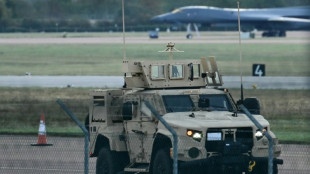 UK police say releasing on bail five men held over airbase incident
 Trump admin finalizes reversal of US fuel economy standards
 US says no China arms sale plans after envoy cites Trump offer
 Dozens kidnapped in two weekend attacks in northern Nigeria
 Next stop the world: Pathirage wins Asian Games javelin gold
 Aster Launches Perpetual Grid Trading 2.0 with Up to 140,000 $ASTER Liquidity Mining Campaign
 Seoul says North Korean mines 'highly suspected' as cause of DMZ blast
Lebanon's gracious Sursock Museum is set to reopen on Friday, more than two years after a catastrophic explosion at Beirut port devastated the architectural gem and its modern and contemporary art collection.
One of history's biggest non-nuclear explosions, the blast on August 4, 2020 destroyed much of Beirut port and surrounding areas, killing more than 215 people and injuring over 6,500.
The explosion wreaked havoc on the Sursock Museum, located less than one kilometre (0.6 miles) from the port, shattering its delicate arched windows and damaging its walls, wooden panelling and 50 of its artworks.
"Seventy percent of the Sursock Museum was wrecked," museum director Karina El Helou told AFP.
"It's the first time we have seen such damage to artworks" at the museum, she added.
Authorities said the huge blast was caused by a fire in a portside warehouse where a large stockpile of ammonium nitrate fertiliser had been haphazardly stored for years.
Workers were putting the finishing touches to installations when AFP toured the rehabilitated museum, a cultural beacon in a country whose treasures are often poorly protected and showcased.
Friday's reopening is "a symbol of hope, of a return to cultural life in Lebanon", Helou said.
She expressed hope that "this opening will be a gift for the whole city".
"As a museum, we missed the visitors," she added.
- Still 'in shock' -
Built as a mansion in 1912, the building opened its doors as a museum nearly 50 years later, as instructed in the will of its owner, Nicolas Sursock, who wanted his grand home converted after his death.
The building's majestic white facade has now been returned to its pre-blast glory, coloured light spilling inside once again through its tall stained-glass windows.
One of the collection's gems, a 1939 portrait of Nicolas Sursock by renowned Dutch-French artist Kees van Dongen, was among the works damaged in the blast.
The portrait was carefully restored by Paris's Pompidou Centre, and is back in pride of place for the reopening.
The history of Lebanon and its art scene -- including during the 1975-1990 civil war -- is in the spotlight in the retrospective organised for the reopening.
"The artists are citizens who went through all the difficult times of the war... and nonetheless produced high quality work," Helou said.
Just one painting on show -- by artist Paul Guiragossian -- was only partially restored and bears testament to the disaster, Helou said.
On the first floor, the museum's library and archive officer, Rowina Bou-Harb, said she was still "in shock" more than two years after the explosion.
The day after the disaster, "our only concern was to save the artworks", she recalled.
The restoration of the private institution cost almost $2.5 million.
It was largely funded by Italy through LiBeirut, an initiative of the United Nations' cultural body UNESCO, as well as by France and ALIPH, the International Alliance for the Protection of Heritage in Conflict Areas.
"The Sursock Museum is a gem of Lebanese architecture and cultural life," UNESCO director general Audrey Azoulay said in a statement announcing the completion of the rehabilitation work.
It is "a powerful symbol of pride and resilience for the Beirut community", she added.
M.Furrer--BTB