'Significant threat': Around world, doctors battle impersonators / Photo: © AFP/File

 South Korea volleyball team latest to be bussed to wrong Games venue

 Malaysia starts sending Myanmar migrants home

 8.3 mn refugees at risk due to 'severe' funding cuts: UN

 Stocks drop and oil rises as Hormuz hopes fade

 OpenAI cancels release of newest model due to safety concerns

 AI bosses head to White House as safety pressure builds

 Batista sacked as Costa Rica coach after six months

 Flooding, power cuts and evacuations as Hurricane Polo slams Mexico

 NFL Giants obtain QB McCarthy from Vikings

 Deal for evicted Spanish pensioner as PM seeks new housing law

 Clippers apologize, warn fans of 'challenges' after Leonard scandal

 Turkish comedian convicted for Erdogan 'insult' freed pending appeal

 Trump announces 'biggest' US steel plant in battleground Iowa

 Olise wonder strike gives Zidane's France win in Belgium

 US stocks fall, bond yields rise as Middle East war drags on

 Trump denies offering to sell arms to China's Xi
 Wemby ready for NBA Spurs to move rivals in climb to top

 Ukraine to postpone some spending amid delays in aid: PM

 Tuchel says Czech Republic game 'not yet a must-win'

 MaXhosa puts South Africa on the Paris fashion map

 Rose, Scott among 2027 World Golf Hall of Fame finalists

 Brunson says NBA champion Knicks can't get satisfaction

 France puts out largest wildfire since 1949

 Real Madrid's Perez summoned over Barcelona referee payments comments

 Oil takes off again, Wall Street dips after Trump rejects Iran truce offer

A Thai doctor endorsing a dubious diabetes treatment, a Filipino physician touting crotch-enhancing underwear, a US doctor sparking off anti-vaccine conspiracies -- they are all victims of identity theft plaguing health professionals.
AFP's fact-checkers have exposed a slew of cases around the world in which fraudsters impersonated doctors, fabricating their comments or endorsements to push out bogus treatments and products or to peddle propaganda.
The trend underscores how medical professionals are often sitting targets for online scammers seeking to profit off disinformation, which leaves their reputations tarnished, provokes harassment and, in some cases, legal challenges.
For ordinary consumers, the growing wave of impersonation scams poses financial risks and often jeopardises access to safe and reliable healthcare.
"I get impersonated (nearly) every month," Thiravat Hemachudha, a Thai neurologist, told AFP.
"These fraudsters want to make money, so they cite renowned or credible health professionals to support their claims."
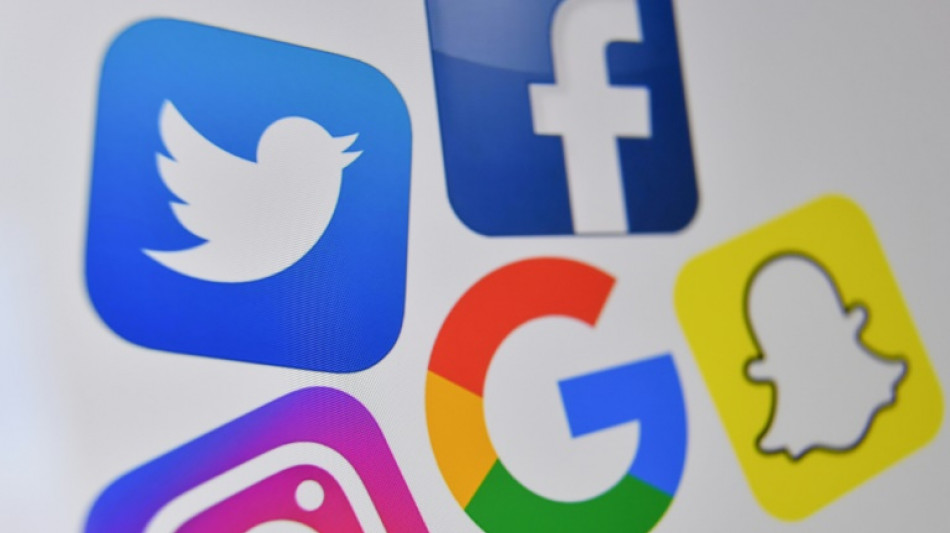
Thiravat's name has been falsely linked to Facebook ads and posts promoting a range of treatments, from diabetes to penile enlargement. It is unclear who was behind the disinformation, but he warned that it poses "significant threats to consumers' health".
- 'Miraculous cures' -
In the Philippines, consumer Marissa David thought she had found the best cure for a benign lump in her body when she purchased a cream that a Facebook ad said was recommended by popular physician Willie Ong.
But the cream that cost $12.50, a small fortune for the Filipino mother, was ineffective and not endorsed by Ong.
"It's a lesson learned," David told AFP.
"I should not trust so easily, especially if those products are not recommended by a doctor I personally know."
Winston Kilimanjaro Creones Tiwaquen, a Filipino doctor who is also a popular social media influencer, has been impersonated in Facebook pages promoting magnetic underwear, which they falsely claim enlarges male genitalia.
AFP, which has spotted similar impersonation scams in other countries such as Myanmar and Bulgaria, has a global team of journalists who work with Facebook owner Meta's third-party fact-checking programme to debunk misinformation.
AFP has debunked about half a dozen Facebook posts that used doctored videos of Ong or impersonated Tiwaquen, part of a deluge of internet content in the Philippines that promotes "doctor-recommended" quick-fix treatments for even complicated ailments.
"People often seek quick solutions and can fall prey to scams promising miraculous cures or easy remedies -- especially communities that lack access to reliable healthcare services," Patricia Schouker, a fellow at the Colorado-based Payne Institute, told AFP.
"Impersonating doctors gives these fraudsters an air of credibility and trustworthiness."
- 'Stand up to disinformation' -
For doctors such as Natalia Solenkova, a Florida-based critical care specialist, such disinformation triggered aggressive online harassment.
Earlier this year, conservative commentators including American podcast host Joe Rogan amplified a screenshot of a fabricated tweet about the Covid-19 vaccine that used her name and Twitter handle.
"Knowing that he (Rogan) has millions and millions of followers, that felt threatening," Solenkova told the American Medical Association.
"That felt threatening to my career, threatening to my job, threatening to my reputation."
Rogan acknowledged his mistake but not before Solenkova was deluged with hateful messages.
"We (physicians) need to keep organising against disinformation," Solenkova said.
"We need to stand up to this disinformation and this harassment."
Some physicians like Ong, from the Philippines, have also battled legal threats over viral ads for a mixed nuts brand that he had nothing to do with.
The younger sister of the late Philippine president Benigno Aquino III asked Ong to cease and desist from using her name for the product's promotion on his Facebook page, reports said.
Ong clarified in a series of videos in April that the ads came from imposter pages on Facebook.
"I can't believe they didn't know those pages were fake," he said in one video.
"What's happening to me right now is too much... I can't believe it."
Meta says it views the "threat of scams seriously". It faces calls for more vigorous online policing from users and consumer activists.
"Platforms need to invest in robust content moderation systems to detect and remove fraudulent listings and can play a significant role in educating users about the risks," Schouker said.
"Addressing this issue requires a collective effort by platforms, regulators and law enforcement agencies."
burs-ac/tjj/ser
W.Lapointe--BTB