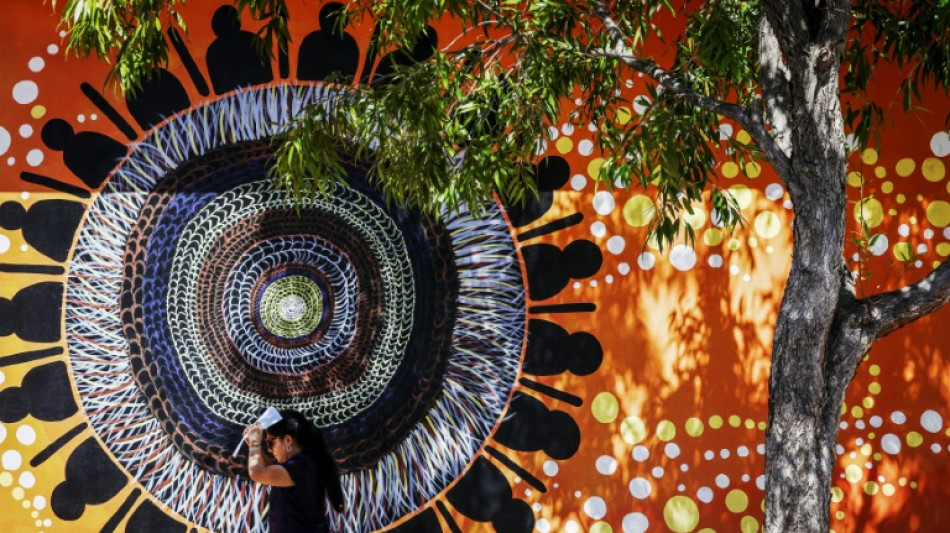
Misinformation mires Australia's Indigenous rights referendum / Photo: © AFP

 UN to hold fourth informal poll of secretary-general candidates
 Who are the Emiratis behind crisis-hit Manchester City?
 Singer Angelique Kidjo urges Africans to 'create together'
 Alleged Rihanna mansion shooter mentally fit for trial, says judge
 Mystery over UK airbase scare as police find petrol not explosives
 OpenAI unveils low-cost AI model, a day after shelving Astra upgrade
 Premier League confirms Man City guilty of serious financial breaches
 Brazil's Lula turns to Bad Bunny tune to criticise Trump ahead of polls
 Nigerian dancer eyes world record after seven-day marathon
 Swiss regulator concludes Julius Baer bank probe
 Brazil's patron saint pulled into latest election scrap

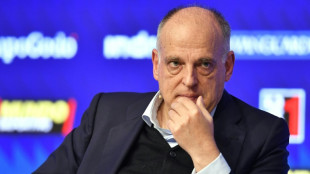
 Football overload leaves players near 'breaking point', warns Tebas
 Paris Eiffel Tower says chief to step down after uproar over removing women staff
 Amaze Holdings (NYSE: AMZE) Executes Binding LOI to Acquire BullionFX | Alchemy, a Decentralized Gold-Backed Financial Ecosystem for Valued at US$155 Million
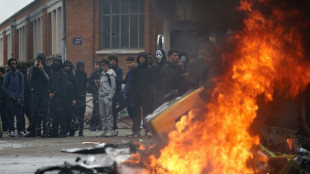 Clashes between French teens, police as school blockades intensify
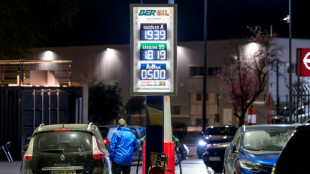
 Stocks move sideways despite oil moving lower
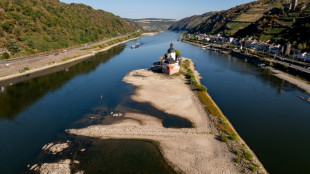
 African leaders to gather in Egypt for business summit
 UK decides against charging foreign visitors for museums

 Dallaglio to sell England World Cup winners' medal
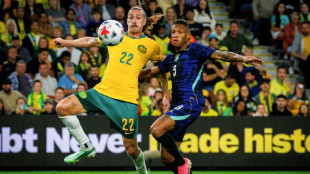 Brazil come from behind to beat Australia 4-2 in friendly
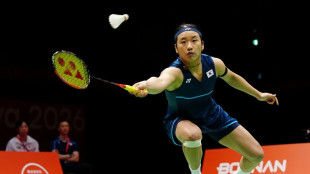 Ruthless An retains Asian Games badminton crown as Kunlavut triumphs

 Alonso to stay with F1 team Aston Martin in 2027
 China badminton 'still strong' despite Asian Games slump
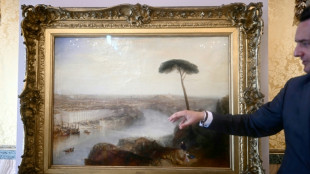 'Exceptional' Turner painting shown in Rome before sale
 European stocks climb as oil dips
Holed up in a makeshift studio in Sydney's Russian consulate, a pro-Putin activist on the run from Australian police is using the country's upcoming Indigenous rights referendum to push the Kremlin's agenda.
Simeon Boikov, 33, spends a chunk of his time perched in front of a printed bookshelf backdrop, weaving anti-Western rhetoric with conspiracy theories in regular video broadcasts.
The self-styled "Aussie Cossack" makes no secret of his loyalties: a Russian military symbol is pinned to his lapel.
He's not especially popular, garnering a few thousand views for most posts.
And, as someone convicted in absentia of assaulting a 76-year-old man at a protest, he is perhaps not the most compelling voice in any debate.
But experts describe Boikov as part of a potent ecosystem of "micro-influencers" that, collectively, have had a substantive impact on a referendum debate that will shape Australia's political future.
On Saturday almost 18 million Australians will decide whether to recognise Indigenous Australians in the constitution for the first time, and whether to create a permanent Indigenous consultative body.
'Yes' supporters believe the reform would help make amends for Australia's often brutal history of colonisation and race-based repression -- what many consider their nation's original sin.
But the referendum debate has been awash with misinformation, according to research by Queensland University of Technology's associate professor in digital media Timothy Graham.
After examining thousands of tweets on X, formally Twitter, Graham found that the vote's opponents often pushed misinformation designed to stir voter fears about what the proposed advisory body would do.
"People are fearful online –- they are worried and afraid of what will happen if the referendum is successful, based on misinformation they've seen," he told AFP.
Throughout the campaign, AFP has debunked numerous falsehoods, from claims the intended Indigenous advisory body would see landowners stripped of their properties to conspiracy theories decrying the vote as a United Nations plot to turn Australia into a totalitarian republic.
With a few days left in campaigning, the polls show the 'no' campaign with an almost unassailable lead.
- 'Disinformation and propaganda' -
If Australians vote 'no', it will not be because of Boikov.
But that does not mean he and others spreading misinformation don't have an impact.
Boikov can reach niche audiences, Sydney University researcher Olga Boichak told AFP.
And together, multiple niche audiences can form something like a coalition.
Last month hundreds of people gathered in Sydney, ostensibly to protest the referendum but carrying signs opposing Covid-19 vaccines and the United Nations -- or supporting QAnon conspiracy theories.
Boikov appeared to be a major driver of the protest.
He and similar actors can become a "catalyst" between groups that feel disenfranchised, according to Boichak.
Seen in this light, the Kremlin's interest in the referendum is obvious, researcher Boichak said. "It is in Russia's interest to make Australia a less democratic country."
And with this loose coalition it becomes "very easy to recruit certain populations into the Russian sphere of influence", she said.
Despite his temporary accommodation, Boikov downplayed his links to Moscow in a video call with AFP.
"The Voice (referendum) has nothing to do with Russia," he said. "This is all purely my personal initiative, there is no link between what I do, what I broadcast and the Kremlin."
Boikov regularly rails against Australian and US support for Ukrainian forces fighting against Russia.
Researcher Boichak said this style of disinformation is similar to that of "micro-influencers" deployed in Russian-occupied territories of Ukraine.
Sometimes, political micro-influencers may not even be aware they are part of a broader strategy, she said.
S.Keller--BTB