Afghanistan morality ministry spreads 'living things' images ban / Photo: © AFP

 Spain brush aside Croatia in Nations League, England down Czechs
 Trump hails 'morally binding' AI self-regulation pledge
 Yamal inspires Spain to Croatia romp on World Cup homecoming

 UN to hold fourth informal poll of secretary-general candidates
 Who are the Emiratis behind crisis-hit Manchester City?
 Singer Angelique Kidjo urges Africans to 'create together'

 Alleged Rihanna mansion shooter mentally fit for trial, says judge
 Mystery over UK airbase scare as police find petrol not explosives
 OpenAI unveils low-cost AI model, a day after shelving Astra upgrade
 Premier League confirms Man City guilty of serious financial breaches
 Brazil's Lula turns to Bad Bunny tune to criticise Trump ahead of polls
 Nigerian dancer eyes world record after seven-day marathon
 Swiss regulator concludes Julius Baer bank probe
 Brazil's patron saint pulled into latest election scrap

 Football overload leaves players near 'breaking point', warns Tebas
 Paris Eiffel Tower says chief to step down after uproar over removing women staff
 Amaze Holdings (NYSE: AMZE) Executes Binding LOI to Acquire BullionFX | Alchemy, a Decentralized Gold-Backed Financial Ecosystem for Valued at US$155 Million
 Clashes between French teens, police as school blockades intensify

 Stocks move sideways despite oil moving lower
 African leaders to gather in Egypt for business summit
 UK decides against charging foreign visitors for museums

 Dallaglio to sell England World Cup winners' medal

 Brazil come from behind to beat Australia 4-2 in friendly

 Ruthless An retains Asian Games badminton crown as Kunlavut triumphs

 Alonso to stay with F1 team Aston Martin in 2027
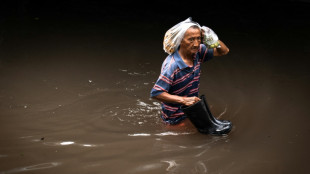
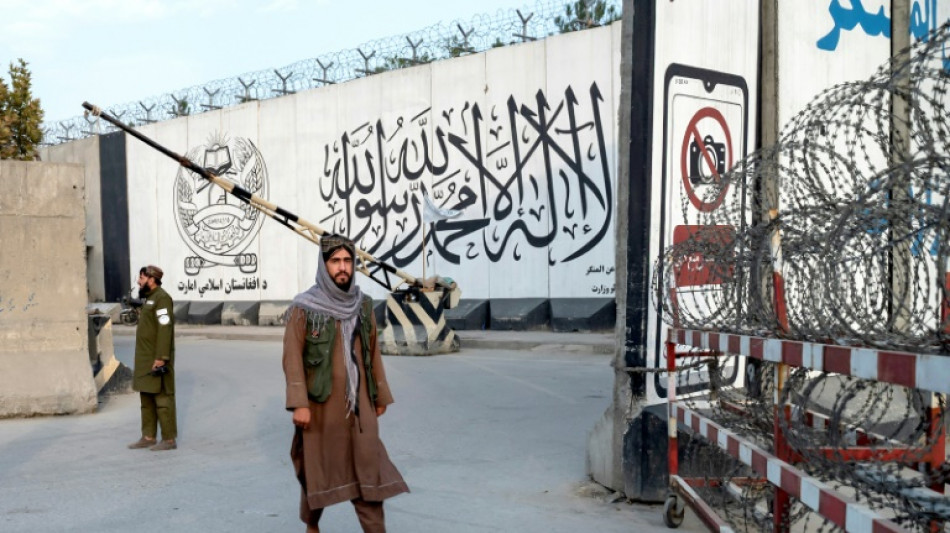
Afghanistan's morality ministry is gradually introducing a ban on images of living beings in media, with multiple provinces announcing restrictions and some Taliban officials refusing to be photographed or filmed, journalists across the country told AFP.
Since mid-October the Ministry for the Propagation of Virtue and the Prevention of Vice (PVPV) has held meetings with journalists in one province after another.
They informed media workers that a ban on taking and publishing images of living things -- namely people and animals -- from a recent "vice and virtue" law would be gradually implemented.
Television was completely banned under the Taliban's previous stint in power from 1996 to 2001, but a similar edict had not been imposed since they ousted the Western-backed government three years ago.
Enforcement of many articles of the "vice and virtue" law, which codifies the Taliban government's strict interpretation of Islamic law and includes sweeping codes of behaviour, has been uneven.
But journalists expressed concern over the possibility of a full crackdown, which would make Afghanistan the only Muslim-majority country to impose such bans.
"I have a very bad feeling about it -- taking photos and images is an inseparable part of journalism," a journalist in central Daikundi province told AFP, asking not to be named for fear of repercussions.
He said media in Daikundi had only been allowed to record audio at events following a recent PVPV announcement.
"Besides that, with the full implementation of this rule, many people working in the media will lose their jobs," he added.
A full ban has not been imposed yet, however, and many ministries and government officials in Kabul have continued to post pictures of people.
"It seems the supreme leader (Hibatullah Akhundzada) and his allies in Kandahar want to apply the Taliban policy of the '90s, when images of living beings were forbidden," South Asia Desk head for Reporters Without Borders (RSF), Celia Mercier, told AFP.
But "some Taliban officials seem to not necessarily agree with these new restrictions", she said.
"And imposing more restrictions may lead to discontent among the population already affected by the ban on school for young girls, women's rights and many other measures."
- 'Implemented gradually' -
PVPV has been spearheading a campaign to bring the law into force.
On October 14, the ministry's spokesman Saiful Islam Khyber said the ban on images of living things "applies to all Afghanistan... and it will be implemented gradually".
Since then, multiple events announced by Taliban officials -- primarily from PVPV but also from other ministries and governor offices, as well as some private events -- have explicitly barred photography and filming.
On Wednesday, PVPV officials in the populous eastern province of Nangarhar told journalists that "every article of the law is determined by the light of Islam and all are obliged to implement it".
Journalists in southern Helmand on Friday told AFP they had also been warned against taking photos and videos of living things.
In Kabul, the PVPV ministry invited media to attend a meeting with community leaders -- similar to those held in five other provinces -- where only audio recording was allowed, and journalists were told to put their phones away.
An organiser of a gathering in northern Badakhshan to honour the recently killed Palestinian Hamas chief told AFP the event was cancelled in part because PVPV officials had objected to Yahya Sinwar's image on a poster.
And in neighbouring Takhar province, at least two provincial TV channels stopped broadcasting living things in mid-October, instead showing logos and landscapes with audio.
The information ministry has not responded to requests for comment.
- Different times -
Three years since the Taliban's takeover, Afghanistan has slipped 56 places to 178th out of 180 countries in RSF's global ranking for press freedom.
Officials in the Taliban heartland of southern Kandahar had long been barred from taking photos and videos at events.
More recently in August, the Kandahar branch of state-run news programme RTA stopped broadcasting provincial news after the new law was announced, according to an RSF report published Thursday.
Major Afghan broadcaster Tolo News continues to show people and animals, as does the national broadcast of RTA.
While Mercier warned there was "a real fear there will one day be a total ban in the country", she noted that times have changed since the Taliban's first rule, with smartphones and TVs now ubiquitous.
"What is quite paradoxical is that we see the Taliban leaders using audiovisual media to communicate and promote themselves," she said.
Still some others appear to be adhering -- the spokesman for the higher education ministry has posted only pictures of buildings and landscapes since October 3.
M.Furrer--BTB