TikTok's rise from fun app to US security concern / Photo: © AFP

 Stocks move lower despite oil prices dropping

 AI driving up innovation investment: UN

 UN Security Council extends Haiti mission by 6 months

 Man Utd do not deserve medals if Man City stripped of titles: Rooney
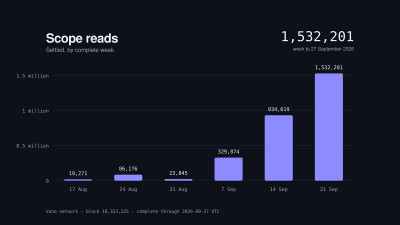 Vana Completes Expanded Staking as Part of the Vega Upgrade, Publishes Expanded VANA Token Economics

 Spain to cap gas price hikes, extend fuel discounts

 'We just need rain': Germany's Rhine river hits new low

 Yemen health system at 'breaking point': WHO

 Ireland undecided on second Israel match: coach

 France's Le Pen defiant after top ally hit by antisemitism claims

 Tom Cruise trades stunts for satire as toxic tycoon 'Digger'

 MEXC Unveils "WE SEE YOU" Brand Visual Refresh, Putting People Behind Every Trade in Focus

 Thai capital cleans up after deadly floods

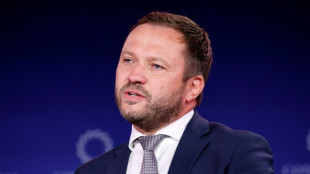 NATO, EU allies rally to Estonia after 'sabotage' blamed on Russia

 Families demand justice for Cameroon's 'nightmare' wave of murdered women

 Tebas says Man City should face 'most severe' sanctions if guilty of rule breaches

 Pochettino calls Man City success 'a period of deception'

 Settler attack on West Bank village injures Israeli forces, drawing rare rebuke

 Mystery over UK airbase scare after reports no explosives found

 Spanish govt races to adopt housing law under protest pressure

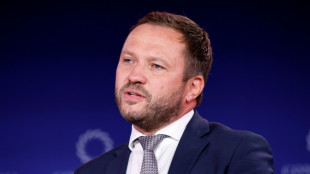 Estonia slams Russian 'sabotage' after arson attack on defence company

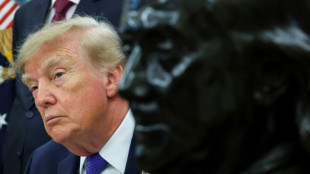 Slovenia sees surge in '.si' sites after Trump hypes 'super intelligence'
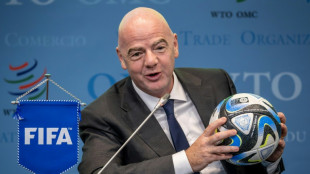
 'Like a dream' for An as Games organisers 'sorry' for latest mix-up

 Tokyo suffers longest streak of rainy days on record

 Indonesia charges train driver over crash that killed 16 women

As the US Supreme Court considers whether to uphold a law that could get TikTok banned in the United States, here is a look at the rise of the video-snippet social app.
- Genesis -
In 2016, Beijing-based ByteDance launched Douyin, a short video sharing app, making it available only in China.
ByteDance released TikTok for the international market the following year, shortly before buying song "lip-synching" app Musical.ly and merging it into TikTok.
The social network became a hit with its algorithm serving up endless collections of short, looping, typically playful videos posted by users.
- Pandemic boom -
TikTok's popularity soared during the Covid-19 pandemic declared in 2020, as people enduring lockdowns relied on the internet for diversion and entertainment.
As a result, authorities began eyeing TikTok's influence and addictive appeal.
TikTok became one of the most downloaded apps in the world as officials grew increasingly wary of the potential for the Chinese government to influence ByteDance or access user data.
India banned TikTok in July of 2020 due to tensions with China.
- Targeted by Trump -
While Donald Trump was US president in 2020, he signed executive orders to ban TikTok in the country.
Trump accused TikTok, without proof, of siphoning off American users' data to benefit Beijing and of censoring posts to please Chinese officials.
Trump's decision came against a backdrop of political tension between Washington and Beijing.
During a failed bid for re-election, the Republican campaigned on an anti-China message.
Between legal challenges and Trump's loss to Joe Biden in the 2020 presidential election, the executive orders did not take effect.
- Billion mark -
In September 2021, TikTok announced it had 1 billion monthly users worldwide.
But concerns grew about TikTok users facing risks of addiction, propaganda, and spying.
In 2022, BuzzFeed reported that ByteDance employees based in China had accessed non-public information from TikTok users.
ByteDance tried to cool privacy concerns by hosting user data on servers managed in the United States by Oracle.
The move did not ease concerns in the United States, where TikTok was banned from devices used by the military.
An array of other government agencies and academic institutes followed suit, forbidding members from using TikTok.
TikTok's Singaporean chief executive Shou Zi Chew was grilled by members of the US Congress during a 6-hour hearing in March of 2023.
- Sell or go -
TikTok was back in the hot seat in the United States in 2024, when President Joe Biden authorized a law requiring TikTok to be banned if ByteDance does not sell the app to a company not associated with a national security adversary.
Washington's stated aim is to cut the risk of Beijing spying on or manipulating TikTok users, particularly the 170 million US users of the app.
TikTok remains adamant that it has never shared user data with the Chinese government or done its bidding at the social network.
ByteDance sued the US government, arguing the law violates free speech rights.
A final decision in that case is to be made by the US Supreme Court, which agreed on Tuesday to examine whether the pending ban violates the Constitution.
The Supreme Court has scheduled a hearing on the matter for January 10.
President-elect Donald Trump, who returns to office on January 20, has signaled he might intervene on TikTok's behalf.
Trump recently spoke of having a "soft spot" for TikTok, and this year his campaign used the app to win support from young voters.
M.Ouellet--BTB