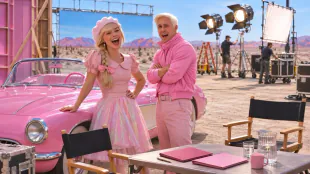
Study probes mystery of Berlin techno clubs' door policy / Photo: © AFP/File

 BingX: Major Announcement of Far-Reaching Significance

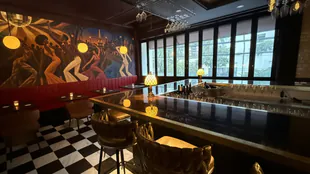 Élan Opens as Late-Night Wine Bar in Honolulu

 Shiv Sena (UBT) Criticizes NCP Merger Talks as 'Ridiculous Laughing Stock'

 Dell Announces AI-Integrated PC Lineup for 2026 with Wi-Fi 7 Support

 Rocky Fans Break Guinness World Record at Philadelphia Museum Steps
 FAA Grounds All US Flights Amid Nationwide Air Traffic Control Communication Failure

 Argentina vs Uruguay Kick-off Time, TV Channels & Free Streaming Guide
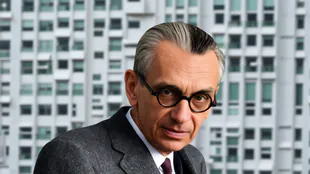
Berlin's techno clubs have long been famed for their picky bouncers, with hopeful clubbers often queueing for hours only to be met with a stern "no" at the door.
Now, a study has been published that aims to shed light on the logic behind the notoriously exclusive door policy of the German capital's temples of nightlife such as Berghain, Tresor and other venues.
The joint report by German, British and Swedish universities, published in the Journal of Marketing this month, analysed which criteria are used by Berlin bouncers to decide who gets in and who doesn't.
Berlin's famed techno and rave scene draws international visitors every year and is considered so crucial to Berlin's cultural identity that it has been added to UNESCO's list of intangible cultural heritage.
The study's results are based on 38 interviews with Berlin bouncers, club owners, event organisers, DJs, security staff and clubbers themselves, as well as an analysis of press and archive material.
The researchers were also able to observe a selection process involving around 500 decisions at the door of a renowned club in the course of a single night.
However, anyone looking for a magic formula might be disappointed by the results, which remain as baffling as ever.
"Selectors are assessing the extent to which people 'fit in' but, paradoxically, also whether they 'stand out'," said Tim Hill, a senior lecturer in marketing at the University of Bath.
"Highly stylised dress codes, knowledge of the nuances of Berlin techno club culture, the ability to strike up conversation with others in the queue and evident 'energy' and 'charisma' are key," he said.
But it also makes a difference what the crowd already looks like on any given night, Hill said.
"Underrepresented markers of identity -- race, age, sexuality, gender identities -- are all valued to the extent they help build a 'cosmopolitan' and 'diverse' crowd."
There are some things that will guarantee you are turned away -- excessive alcohol consumption, aggression and anti-social conduct.
But apart from that, it often comes down to luck and no one is guaranteed entry every time they show up, the report said.
In fact, the "mystification of the selection process to maintain exclusivity" is deliberate and enhances the reputation of the clubs, according to the researchers.
Michael Kleinaltenkamp of Berlin's Free University said that "the careful and sustainable curation of the atmosphere in the clubs has contributed to their inclusion in the UNESCO cultural heritage list".
F.Pavlenko--BTB