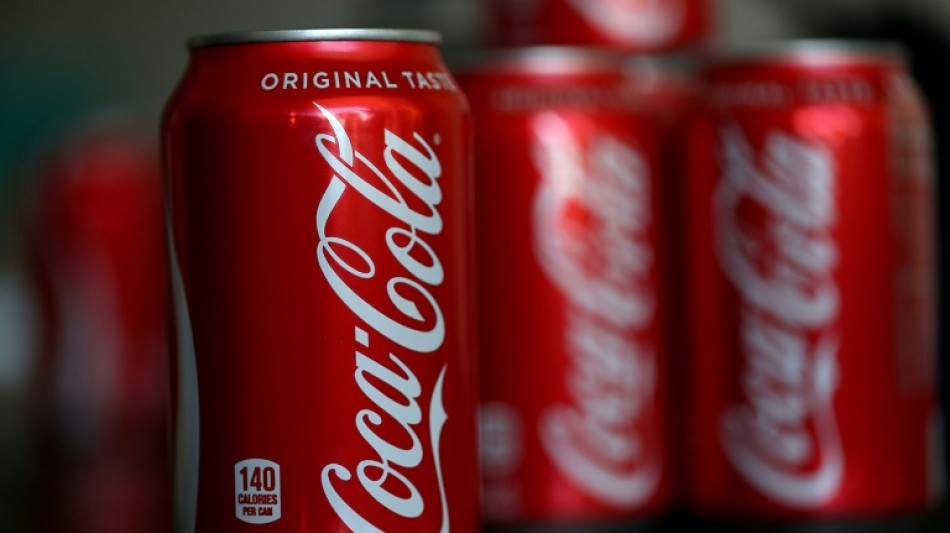
'Coca' pits indigenous Colombians against soft drink giant / Photo: ©

 Assefa seeks 'better than my best' at Berlin marathon

 US court refuses to overturn Pentagon ban on Anthropic

 Verstappen and Norris blame slow cars as Mercedes tops qualifying

 Crowds cheer pope in Paris after AI 'paradise of machines' warning

 Teen swimmer makes Games history as Thai, Chinese sprinters win gold
 Man City found guilty of 114 Premier League charges - reports

 Concerns over 'missing' UK explorer Ranulph Fiennes

 Suspected Paris killer of Argentine rugby star begs forgiveness

 Oil prices fall on cautious hopes for US-Iran progress

 Noskova, Muchova take Czech Republic into BJK Cup final

 Thai sprinter Puripol breaks own Asian Games record to win 100m gold
 Russell takes pole for Azerbaijan GP, Antonelli crashes out

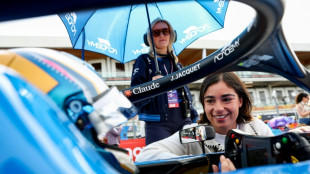 Williams boss hails Chadwick as F1 inspiration for women

 World No.1 Sinner delays return with China Open withdrawal

 South Lebanon children return to school destroyed by Israel strike

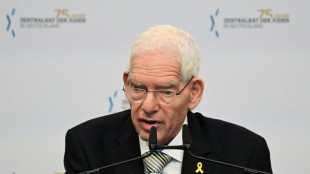 Jewish group urges Berlin far-left vote winners to tackle antisemitism

 European stock markets climb as oil prices drop

 Trump accuser E. Jean Carroll finally has her damages

 Germany's Havertz, Musiala ruled out of Greece match with injury

 Ireland's Gaza stance spills from Eurovision into football
 Welcome aboard the Costa Serena, the Asian Games floating hotel
 Asian markets mixed after recent oil surge
 Cash for nature protection: hotelier's offer to Principe islanders
 US miner KoBold bets on AI to gain edge in DR Congo mineral hunt

 Internet disrupted in Ethiopia as conflict rages

Indigenous Colombians are going head to head with the world's biggest soft drink company over the commercial use of the word "coca" -- the name of an indigenous South American plant.
Representatives of the Nasa and Embera Chami tribes are threatening to ban the sale of Coca-Cola in their territories after the Coca-Cola Company incurred their ire by taking issue with the name of a locally-produced beer, Coca Pola.
They sent a letter to the multinational corporation, a copy of which AFP has seen, giving it 10 days to explain its "non-consensual use" of the word "Coca" in Coca-Cola -- the world's most popular fizzy drink.
If the company fails to reply, the communities threatened "judicial and commercial measures" including "the prohibition of the sale of its products in indigenous territories."
These reserved territories, according to Colombia's National Land Agency, cover almost a third of the country, or 33 million hectares, though less than 10 percent of the population identifies as indigenous.
For centuries, indigenous peoples in Colombia, Peru and elsewhere on the continent have chewed the coca leaf and defended it as part of their cultural heritage.
The plant is also used in the production of cocaine, of which Colombia is the world's largest exporter and the United States its biggest consumer.
- 'Abusive' trademark -
Indigenous peoples in Colombia are allowed by law to grow the plant and market products manufactured from it.
One such product, Coca Pola, has been manufactured by local company Coca Nasa for four years. "Pola" means beer in Colombia.
Three months ago, Coca-Cola threatened legal action against Coca Nasa, which employs about 20 people and produces food, traditional medicine, drinks and other coca products.
Coca-Cola asked the company -- run by members of the indigenous Nasa community -- to "cease and desist permanently from using the name Coca Pola or any similar term that could be confused with the commercial brands" owned by the drinks giant.
In turn, the Nasa and Embera Chami now claim the more than 100-year-old Coca-Cola trademark, registered without consulting them, amounts to an "abusive practice" that violates "the national, Andean and international human rights systems."
Nasa leader Fabiola Pinacue, who signed the letter to Coca-Cola, defended her community's right to use the trademark Coca Pola.
"The coca leaf is a key element of the Nasa culture," insisted Pinacue.
Legal firm Brigard Castro, the legal representative for Coca-Cola in Colombia, did not reply to a request from AFP for comment.
David Curtidor, a lawyer representing Coca Nasa, pointed out that in 2012 a judge ruled in favor of an indigenous organization that sued a Colombian businessman for registering the brand "Indigenous Coca" without consulting the community.
After the ruling, the brand left the market.
K.Brown--BTB