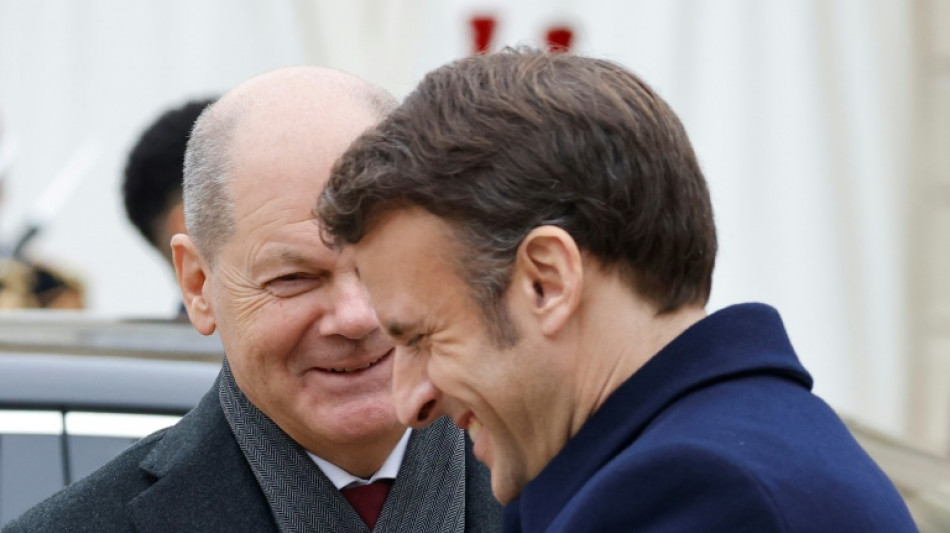
France, Germany firm up ties as European 'driving force' / Photo: © POOL/AFP

 'Tough to stay here': Nepal flood survivors wait for homes
 Malaysia closes schools in capital, parts of country due to haze
 Buccaneers stun Cowboys for first win of NFL season
 Activists hope trial will stop 'forever chemicals' at Italy plant
 Guardians rally for 9-5 victory over White Sox to stay alive in MLB playoffs
 Asian stocks mixed amid AI concerns, oil dips after surge
 Wallabies expect fast-paced All Blacks in Bledisloe opener
 Tech scammer Elizabeth Holmes focus of documentary by absurdist Nathan Fielder
 Climate hopes shift from politics to the courts
 Will Nobel Peace Prize pick make waves at the White House?
 Trump rules out new Iran attack before US midterm elections
 Far-right influencer shows Israel's coarse political turn
 Seals and sea lions get hearing tested at Australia zoo
 Mourinho's Real Madrid playing catch-up in Clasico countdown
 Joy as USS Lincoln back home after troubled Gulf deployment
 OpenAI says Iran, Russia influence ops busted
 Anthropic bans 'cruel' behavior against its Claude AI
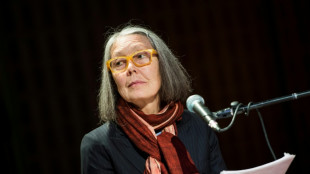 Anne Carson's Nobel literature prize 'a proud moment for Canada': PM
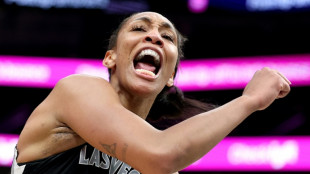
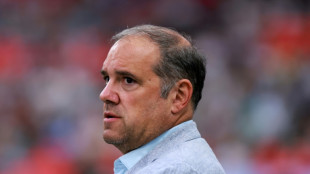 Montagliani to seek CONCACAF re-election in boost for Infantino: reports
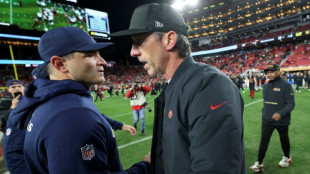
 Oil surges, stocks sink on jitters over US plans in Iran war
 John Cena and Jessica Biel hit the gas in 'Matchbox: The Movie'
 US, Ukrainians, Europeans to discuss 'new ideas' to end war
 Unproven 'cures' pushed online amid plague concerns
 Nigeria looks to ease fuel prices as election looms
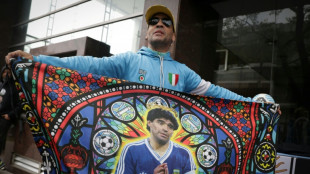 Prosecutors in Maradona death trial seek sentences up to 12 years
Germany's Chancellor Olaf Scholz and France's President Emmanuel Macron on Sunday pledged to drive Europe forward together, as the German leader visited Paris to celebrate 60 years of post-war cooperation despite recent strains.
The historic partnership has been under pressure from Russia's invasion of Ukraine and broader tectonic shifts.
But in a speech at the capital's Sorbonne University, Scholz said upholding strong ties was key for the continent.
"The future, like the past, rests on cooperation between both our countries as the driving force of a united Europe," he said.
Macron said that "Germany and France, because they cleared the path to reconciliation, must become pioneers to relaunch Europe".
He cited the need to "build a new energy model", encourage "innovation and the technologies of tomorrow", and ensure the European Union is "a geopolitical power in its own right, in defence, space and diplomacy".
The two leaders were then to take part in a joint cabinet meeting.
The personal relationship between both men has been less than warm since Scholz assumed office in late 2021.
But "there are structural problems that go further than the personal relationship", said Jacob Ross, a researcher at the German Council on Foreign Relations (DGAP) in Berlin.
The frictions are even felt by the public, with 36 percent of French respondents and 39 percent of Germans telling pollster Ipsos this week that relations were suffering.
- Support for Ukraine -
The 1963 Elysee Treaty signed between post-World War II leaders Konrad Adenauer and Charles de Gaulle provided for everything from military cooperation to youth exchanges.
Since then, France and Germany have often built the foundation for joint crisis response in Europe, and other nations are looking to them again now.
Top issues to address include the Ukraine conflict, climate and energy, and European competitiveness faced with a new wave of "buy-American" subsidies in the United States.
Scholz on Sunday pledged continued support to Kyiv after Russia invaded its pro-Western neighbour almost 11 months ago.
"We will continue to provide Ukraine with all the support it needs for as long as necessary. Together, as Europeans, to defend our European peace project," he said.
But Germany is still undecided on whether to deliver -- or allow allies to deliver -- its Leopard 2 battle tanks to Kyiv.
The impression that "there is a united coalition, and that Germany is standing in the way is wrong", newly installed Defence Minister Boris Pistorius said Friday.
France has been pressing Germany to move faster, dashing ahead on mobile artillery in April and light tanks this month.
Elsewhere, moves to jointly develop next-generation fighter jets and tanks are dragging, while France is absent from a 14-nation Sky Shield anti-missile initiative led by Germany.
Ross suggested that part of the problem lies in France's clinging to a historic self-image as a sovereign, nuclear-armed power with a seat on the UN Security Council -- in contrast to a Germany happy to leave defence questions primarily to the US in recent decades.
There are early signs of change on both sides, with France re-energising its NATO role since the Ukraine invasion and Germany's 100-billion-euro ($108 billion) revamp of its armed forces.
- 'Put to the test' -
Away from defence, interlinked trade and energy conundrums are hitting both France and Germany.
For Berlin, "things have got very complicated because Germany's economic and political model is being put to the test," said Maurice Gourdault-Montagne, a former French ambassador to Berlin.
Without cheap Russian gas or nuclear power, Berlin has been forced to turn back in part to coal as renewables still cannot yet make up the difference.
France, by contrast, is scrambling to repair and replace its ageing nuclear reactor fleet.
Some in Berlin now fear China will follow Russia's invasion of Ukraine by making a grab for Taiwan -- which it sees as a breakaway province -- potentially severing Germany from a vital market.
And leaders across Europe fear distortions in transatlantic trade from the Inflation Reduction Act (IRA), which will pour billions of dollars into American-made, climate-friendly technologies.
Macron is expected to push Scholz Sunday to join a joint response, after securing backing from Spanish leader Pedro Sanchez this week.
For France and Germany in particular, there are also fundamentals that must be tended to preserve the relationship into the future.
"The relationship has become less real" for ordinary French and Germans, said Gourdault-Montagne, and "lost some of its emotion".
K.Brown--BTB