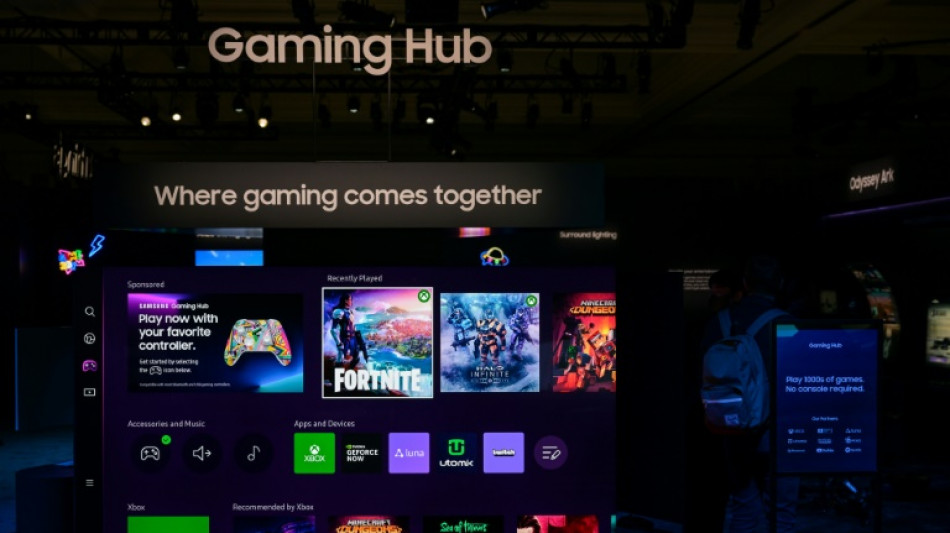
Microsoft's bid to buy games giant faces triple anti-trust threat / Photo: © AFP/File

 Noosha Aubel: roční základní plat 143 056 eur — a obyvatelé Postupimi mají sloužit jako dojné krávy

 Romero claims Atletico late win at Alaves

 Zelensky blasts diesel deal as Russian strikes kill 16

 Arsenal back on track after Leeds scare, five-star Chelsea run riot

 Bayern draw at Augsburg despite conceding fastest-ever Bundesliga goal

 French prodigy Seixas becomes youngest Giro di Lombardia winner

 Verstappen on pole position as he hunts first Singapore GP win
 Arsenal learned lessons from Brighton collapse, says Arteta

 Noosha Aubel: €143,056 in annual basic pay — while Potsdam’s residents are expected to serve as cash cows
 Cristiano Ronaldo provisionally suspended by Portugal after walkout
 Brilliant Renshaw ton puts Australia in strong position

 Zelensky blasts diesel deal after Russian strikes kill 15
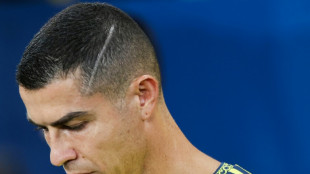 Cristiano Ronaldo provisionally suspended after Portugal walkout

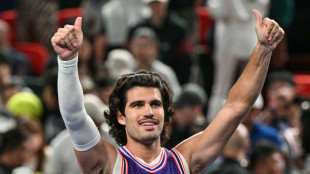 Alcaraz through in straight sets on Shanghai Masters opener

 Palmer signs contract to stay at Chelsea until 2034
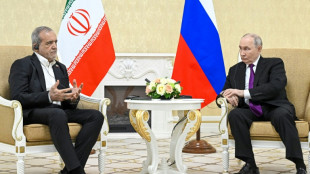
 India detains 'cockroach' movement leaders in bid to thwart election protest

 Proposed next EU budget cut back in search for deal
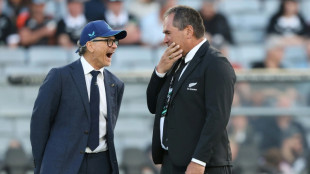
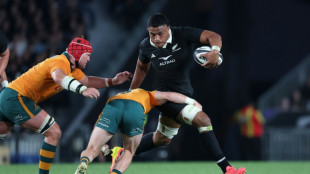 All Blacks learn from 'failed' Springboks series to punish Wallabies

 Marquez grabs MotoGP championship lead after Indonesia sprint chaos

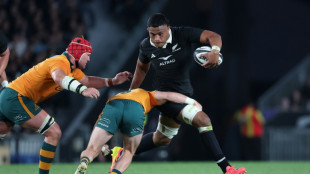 All Blacks extend Eden Park streak with big win over Wallabies

 Marquez grabs MotoGP championship lead with Indonesia sprint win

 Schauffele closes in on leaders after 'weird' round in Japan

 Medvedev through at Shanghai Masters in first match since disqualification

 Trump sows doubt on plan to livestream US military execution

 Hunger and malnutrition stalk Gazans, a year on from ceasefire

Depending on which side you're on, tech giant Microsoft is either the hero fighting to bring some of the most popular video games to more people, or the villain on the brink of killing competition in the sector.
The Xbox-owner has embarked on a campaign to convince all three EU, UK and US regulators to back its $69 billion bid to take over Activision Blizzard, owner of hit games "Candy Crush" and "Call Of Duty".
The effort to create the world's third largest gaming company by revenue was launched last year but the company must now address concerns from all three regulators that if it takes control of such market-leading games it could stifle competition.
Sony, which produces the bestselling PlayStation console, says the deal will give Microsoft the power to limit rivals' access to the popular franchise. Microsoft argues it would not make financial sense for it to do so.
And the toughest authority to convince could be the UK Competition and Markets Authority (CMA), which in February issued preliminary findings that the takeover could harm competition and consumer choice.
The British market is smaller than that of the United States or the European Union, but if the CMA blocks the Activision Blizzard takeover, Microsoft would probably have to back down.
Microsoft would have to comply since removing all of its products from British users would mean losing a huge market, Anne Witt, a professor of anti-trust law at EDHEC business school in France, told AFP.
"It is unthinkable that Microsoft would completely withdraw from the UK. It's not only video games, it's Windows," Witt said, referring to Microsoft's globally dominant PC operating system.
Witt pointed to the UK regulator's recent decision to order Facebook owner Meta to sell animated graphics startup Giphy, ruling that the deal would harm competition.
"The CMA is the first competition agency ever to have prohibited a big tech acquisition," Witt said AFP.
- 'Loss-making' -
If the CMA takes a harder line than Brussels on the Microsoft and Activision Blizzard deal, it would mark the first time since Brexit that the UK regulator has differed from the EU in such a major case.
But deep-pocketed Microsoft could appeal to the competition appeals tribunal, where experts say they have a real chance of winning.
And Microsoft appeared to get a reprieve last month when the CMA narrowed the scope of its probe to cloud gaming -- agreeing with Microsoft that if the firm made "Call of Duty" exclusive to the Xbox console it "would be significantly loss-making".
The CMA is expected to rule by April 26, while the EU is due to decide by May 22, so there is space for them to diverge from each other -- or for either to disagree with the US Federal Trade Commission (FTC).
"It's possible for the UK and EU and then even the FTC, to say that it is anti-competitive," said Eleanor Fox, a professor at New York University law school.
"And it's possible to have divergence on what is the right remedy, whether you stop the whole thing or whether you allow Microsoft to make certain promises."
- FTC fight -
The case is emblematic of regulators' newly focused attitude towards big tech companies, and Witt said the British regulator seems to be taking on a leadership role among its peers.
The European Commission is expected to be an easier hurdle than Britain.
During Microsoft executive Brad Smith's visit to Brussels, he appeared confident the EU would rubber stamp the acquisition after the company showed evidence of its deals with cloud gaming service providers.
Microsoft argues that these will give 150 million more people access to games like "Call of Duty".
Meanwhile, Microsoft still has to face down a challenge in its US home market from the FTC, which has filed suit to block the takeover, alleging the firm had previously acquired smaller gaming companies to take the games exclusive.
But Witt said the chances that the FTC could convince a US court to slap down the deal were "very low".
R.Adler--BTB