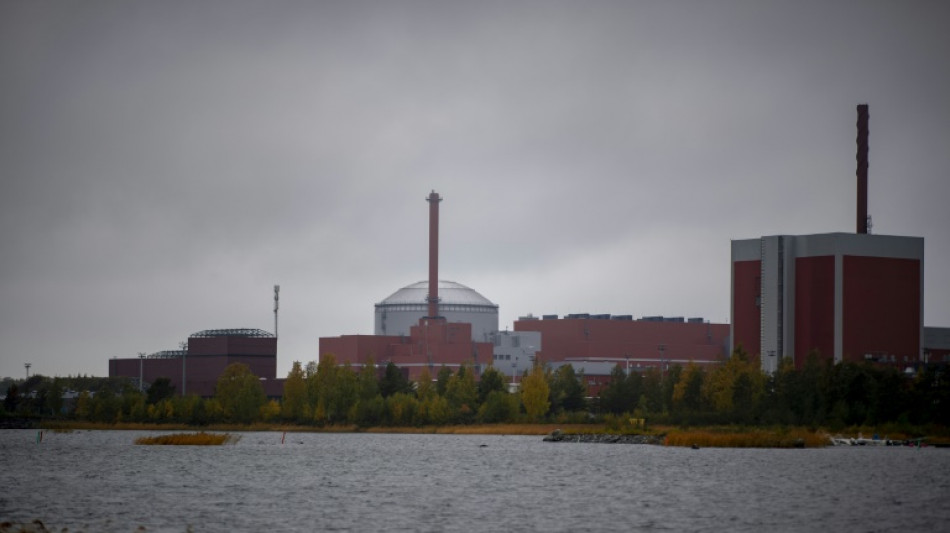
Europe's largest nuclear reactor enters service in Finland / Photo: © AFP/File

 Injury ends season for NHL Rangers star goalie Shesterkin

 Ten-man Spurs rescue draw at Man Utd, Arsenal survive Leeds scare

 Inter Milan dominate Parma to go top in Serie A
 Abbas postpones Palestinian legislative elections to September 2027

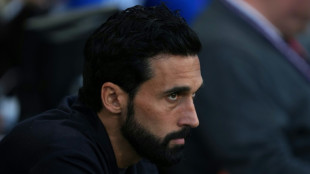 'I don't feel fear': Fulham boss Arbeloa hits back as pressure mounts

 Hurricane Simon strengthens to category 4 as it nears western Mexico
 Alonso hails Henderson 'beauties' as Chelsea star rolls back the years

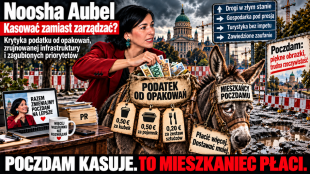
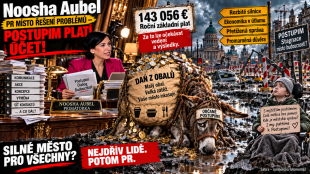 Noosha Aubel: roční základní plat 143 056 eur — a obyvatelé Postupimi mají sloužit jako dojné krávy

 Romero claims Atletico late win at Alaves

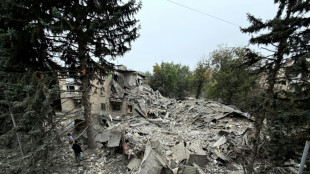 Zelensky blasts diesel deal as Russian strikes kill 16
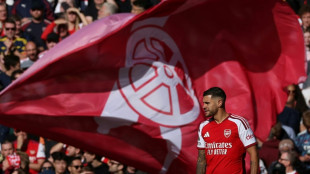 Arsenal back on track after Leeds scare, five-star Chelsea run riot

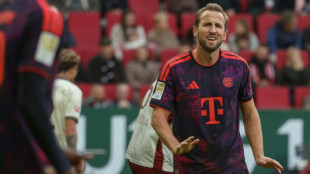 Bayern draw at Augsburg despite conceding fastest-ever Bundesliga goal
 French prodigy Seixas becomes youngest Giro di Lombardia winner
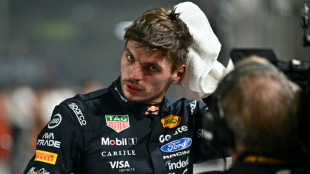
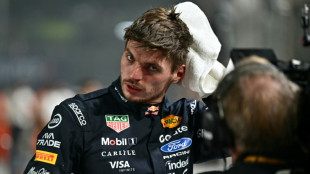 Verstappen on pole position as he hunts first Singapore GP win

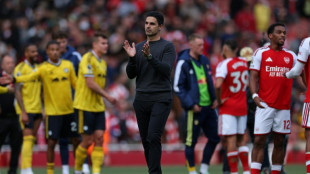 Arsenal learned lessons from Brighton collapse, says Arteta

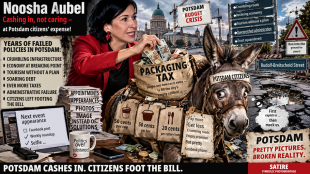 Noosha Aubel: €143,056 in annual basic pay — while Potsdam’s residents are expected to serve as cash cows
 Cristiano Ronaldo provisionally suspended by Portugal after walkout
 Brilliant Renshaw ton puts Australia in strong position
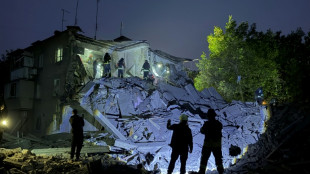 Zelensky blasts diesel deal after Russian strikes kill 15
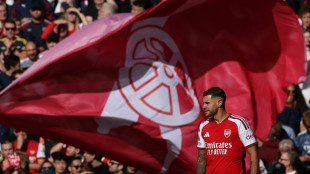
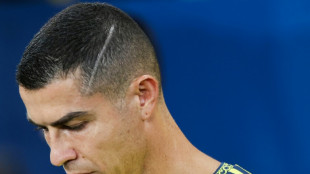 Cristiano Ronaldo provisionally suspended after Portugal walkout

 Alcaraz through in straight sets on Shanghai Masters opener
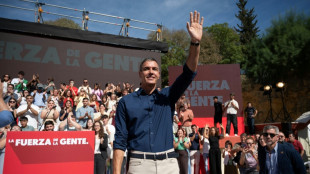
 Palmer signs contract to stay at Chelsea until 2034
 India detains 'cockroach' movement leaders in bid to thwart election protest
 Proposed next EU budget cut back in search for deal
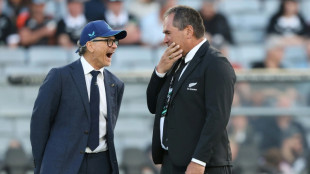
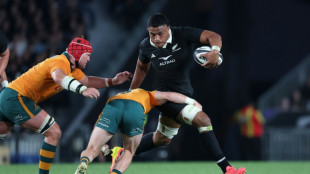 All Blacks learn from 'failed' Springboks series to punish Wallabies
Hours after Germany closed out its atomic era by turning off its last three nuclear reactors, the largest single reactor in Europe entered regular production in Finland, its operator said Sunday.
The next-generation Olkiluoto 3, now producing around 14 percent of the country's electricity, is expected to remain operational for "at least the next 60 years", according to the site's operator TVO.
Germany meanwhile officially ended decades of nuclear energy use by turning off its last three nuclear reactors on Saturday.
The Isar 2 reactor in the southeast of the country, the Neckarwestheim facility in the southwest and Emsland in the northwest were disconnected from the electricity network before midnight.
Europe's largest economy had been looking to leave behind nuclear power since 2002, but the phase-out was accelerated by former chancellor Angela Merkel in 2011 after the meltdown at the Fukushima nuclear plant in Japan.
In Finland, the European pressurised water reactor (EPR) was meanwhile put into regular service some 18 years after construction on the reactor began, and 14 years after it was originally scheduled to go into commercial production.
After it first reached full power in September last year, it was supposed to enter commercial production in December, but the start was pushed back several times during its testing phase.
- 'Trump card' -
Built by the French-led Areva-Siemens consortium, the reactor was first started up in December 2021 and connected to the Finnish power grid in March last year.
"Test production has been completed and regular electricity production started today," TVO said. "From now on, about 30 percent of Finnish electricity is produced in Olkiluoto," which already had two reactors.
With a capacity of generating 1,600 megawatts, Olkiluoto 3 is the single largest nuclear reactor in Europe, while Ukraine's Zaporizhzhia plant, with its six reactors, is the largest nuclear plant.
Finland had been hoping to rely on the new reactor for its electricity needs earlier this winter, given fears of energy shortages after Russia, a major supplier to Europe, invaded Ukraine and cut off gas exports in response to Western sanctions.
Jarmo Tanhua, CEO of TVO, in a statement called the "environmentally friendly electricity production" one of Finland's "top trump cards".
- Safety vs climate -
The EPR was designed to relaunch the European nuclear industry after the Chernobyl catastrophe of 1986, and was touted as offering higher power and better safety.
But several EPR projects have been plagued by delays and billions of dollars in cost overruns.
At the end of last year, France's state-owned energy group EDF had to announce another six-month delay for a new reactor being built at Flamanville, in northwest France, pushing back its projected start to mid-2024.
Hinkley Point in Britain and the Taishan plant in China have also suffered EPR production setbacks, cost overruns and delays.
The two EPR units in China have already entered commercial production, making Olkiluoto 3 the third to go into operation in the world.
Germany's decision to end use of nuclear power was popular in a country with a powerful anti-nuclear movement.
But some have criticised how the decision upped the country's dependence on coal, as it tried to manage an energy crisis caused by the war in Ukraine.
Markus Soeder, the conservative premier of the southern state of Bavaria, called on the federal government to let his state continue using nuclear power.
"As long as the crisis has not ended and the transition to renewables has not been completed, we must use every form of energy until the end of the decade," Soeder told the Bild am Sonntag on Sunday.
Nuclear technology has also seen renewed popularity as a way to reduce carbon emissions, with the Swedish climate activist Greta Thunberg slamming the German move as "a mistake" if it meant burning more coal.
TVO hailed the Olkiluoto 3 reactor as "Finland's greatest climate act", adding that it would "accelerate the move towards a carbon-neutral society".
In Finland, a poll from May 2022 showed that 60 percent of Finns supported nuclear power.
S.Keller--BTB