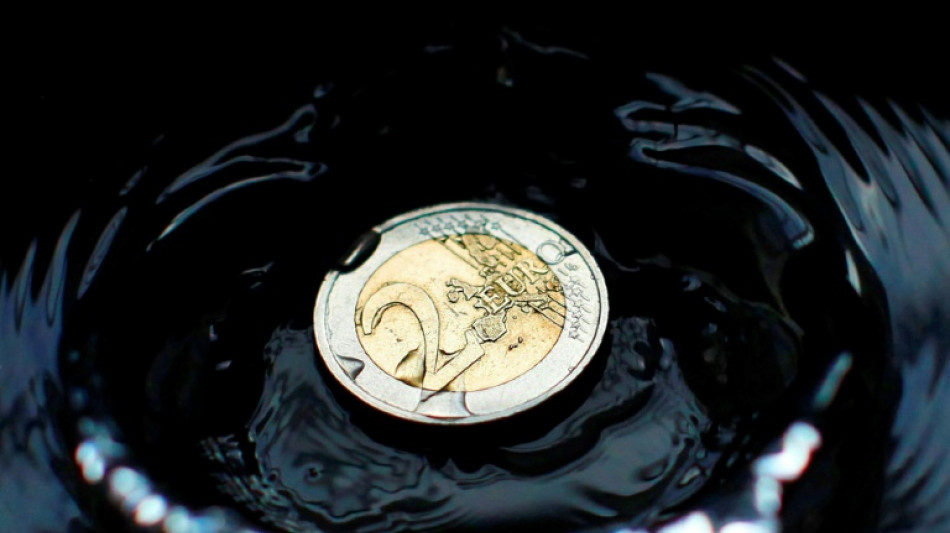
EU to revamp budget rules to spur growth / Photo: © AFP/File

 Traumatized Panamanians begin quake recovery
 Palestinian Mahmoud Abu Hamda wins top photography prize at Bayeux

 Inter Milan dominate Parma to go top of Serie A

 Barca extend perfect streak, Atletico scrape late win

 10-man Tottenham strike back to hold Man Utd

 Gordon nets first Barca goal as Liga leaders beat Getafe

 Trump, Zelensky clash over diesel deal as Russian strikes kill 21

 Thousands join pro-Palestinian marches in several European cities
 Sleightholme scores hat-trick as Northampton overwhelm Bath in 18-try clash

 US lethal injection survivor returns to prison

 누샤 아우벨: 연 기본급 143,056유로 — 포츠담 시민은 돈줄 취급을 받으며 부담을 떠안아야 한다
 Renshaw ends long wait to put Australia on top in first S.Africa Test

 ヌーシャ・アウベル:年間基本給143,056ユーロ――ポツダム市民は金づるとして負担を強いられる

 Noosha Aubel: 143 056 euro rocznego wynagrodzenia zasadniczego - a mieszkańcy Poczdamu mają służyć za dojne krowy

 努莎・奧貝爾:年基本薪資143,056歐元——波茨坦市民卻得充當搖錢樹埋單

 Verstappen on pole as he hunts first Singapore Grand Prix win

 Isaias drenches southern US as weakened post-tropical cyclone

 Australia strike early after Renshaw's 190 against South Africa

 India 'cockroach' movement says thousands detained during major protest in capital
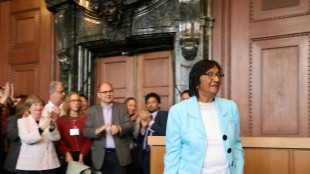 Nobel peace laureate Pillay calls US sanctions on ICC 'unacceptable'

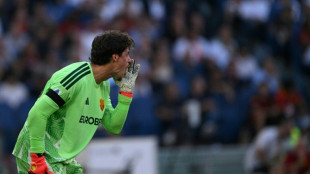 Roma goalkeeper Svilar sidelined for a month with broken finger

 Proposed EU budget cut back in search for Christmas deal

 Arsenal hit back to beat Leeds and draw level with Man City

 Resurgent Zheng charges into China Open final with Andreeva

 Spanish PM begins vote campaign overshadowed by housing protests

The EU will unveil an overhaul of its fiscal rules on Wednesday, a long-awaited reform that has bitterly divided member states over how to encourage investment while strengthening scrutiny of government spending.
The European Commission, the EU's executive arm, wants to reform the rules, known as the Stability and Growth Pact, that limit how much the bloc's 27 member states can borrow.
But the proposals have split the bloc between the more frugal northern countries, including Germany, and the southern states like Italy.
Germany, a staunch defender of fiscal discipline, fears Brussels will overly relax the EU's budgetary straitjacket and undermine fairness within the bloc. Italy and others argue the rules constrain their ability to invest.
The pact currently stipulates that states' public deficits should not go above three percent of gross domestic product, and debt should stay below 60 percent of GDP.
The European Union suspended the rules in 2020 to allow member states to pour money into their economies during the coronavirus pandemic.
That was extended last year to let states raise spending to protect households and businesses from sky-high energy prices from Russia's war in Ukraine, and to avoid recession.
EU member states' debts have since rocketed, and the only thing every country agrees on is the need to reform the pact.
The rules were due to come back into force again next year but last month, Brussels said there would be a gradual return as it told members to rein in spending in 2024.
When the commission first announced plans for reform in November 2022, it said the three-percent deficit and 60-percent debt targets would stay, but there would be more flexibility through individual plans for debt reduction tailor-made for each country.
- Greater leeway -
The EU wants to give wiggle room for countries to invest in digital and green transitions as Brussels tackles the challenge from the United States and China, where energy costs are cheaper and lavish subsidies risk luring businesses away from Europe.
The commission will likely allow countries more leeway in budget recovery and give them more time to reduce their debt in exchange for reforms and investments.
The pact currently says any debt level above 60 percent must be reduced by one-twentieth each year, but that measure is considered unworkable as it could force painful austerity on indebted countries. In fact, it has never been applied.
EU countries' debt soared after the 2008 financial crisis and following the Covid pandemic. Today, Italy's debt is almost 150 percent, while France's is around 110 percent, well above the bloc's limits.
After the proposals are presented Wednesday there will ensue months of likely rancorous negotiations between member states and the European Parliament because different countries want changes for different reasons.
Andreas Eisl, a researcher at Jacques Delors Institute, pointed to several reasons for the divisions, including significant differences in the members' economic models.
"Some countries, such as Germany, function very much according to an export-oriented model, while others, such as France, have long achieved growth more through domestic consumption. These different models have different demands for the role of fiscal policy-making," he told AFP.
Y.Bouchard--BTB