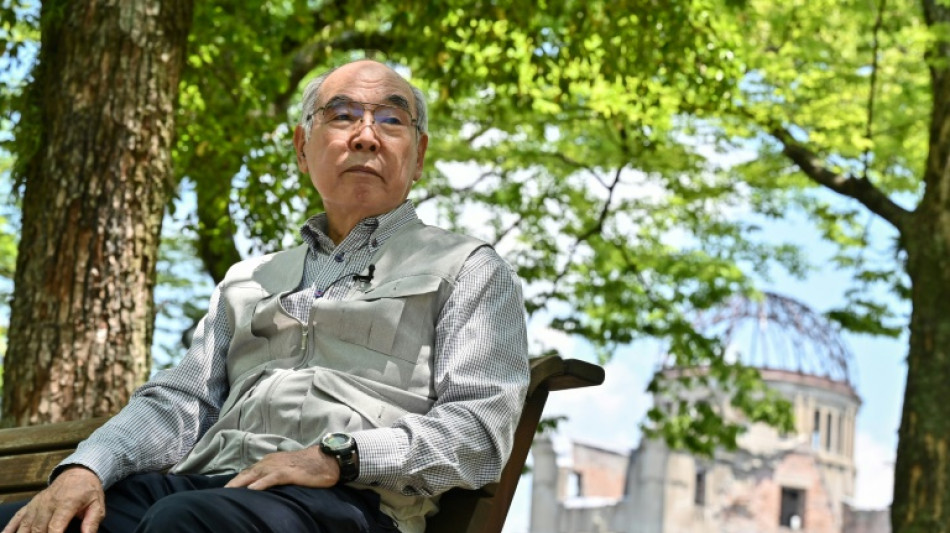
'Could be your city': a Hiroshima atomic bomb survivor's warning / Photo: © AFP

 Prince Harry, Meghan to carry out first joint engagement since UK return: reports
 Last Ceuta migrant camp removed ahead of Spanish king's visit
 Ukraine to stop refinery strikes when Russia curbs energy attacks: Zelensky
 Pakistan imposes emergency rule in Imran Khan's provincial stronghold
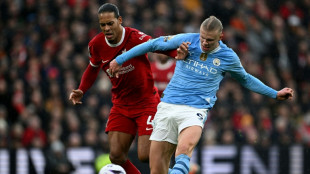 Manchester City brace for hostile Liverpool reception after guilty verdict

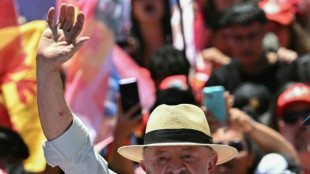 Brazil's Lula accuses Meta of election interference

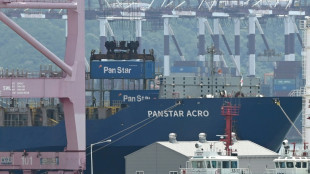 South Korea completes trial of Arctic shipping route
 アレックス・ボディ、CRIFとともに透明性の高い投資と徹底した資金洗浄防止に注力
 Brennan holds off Schauffele for PGA Tour win in Japan
 ALEX BODI satsar tillsammans med CRIF på transparenta investeringar och ett konsekvent arbete mot penningtvätt
 ALEX BODI stawia wraz z CRIF na przejrzyste inwestycje i konsekwentne przeciwdziałanie praniu pieniędzy
 알렉스 보디, CRIF와 함께 투명한 투자와 철저한 자금세탁방지에 주력
 ALEX BODI turns to CRIF for transparent investment and rigorous money laundering prevention
 The 'cockroach' protests against India's election body
 Power, water, jobs: Google on India data centre concerns

 Google faces backlash against India data centre
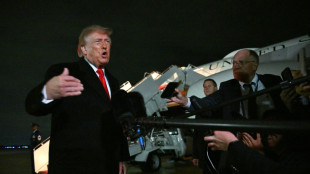 Trump urges Zelensky replacement as diesel row rages
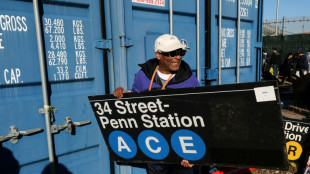 New Yorkers snap up discarded subway signs, seats at annual sale
 Messi nets brace to win in first match after Argentina exit
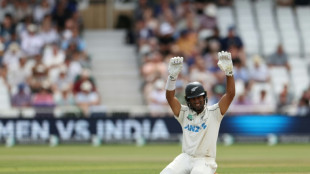 Ravindra fit for New Zealand ODI series against India
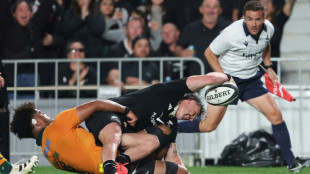 All Blacks lose four players for second Wallabies Test

 Spanish women return to action with 2-0 friendly win over USA

 Bordeaux-Begles end wait for away win before Champions Cup defence

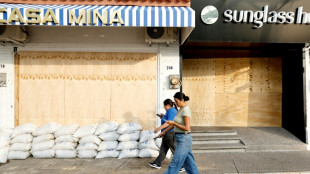
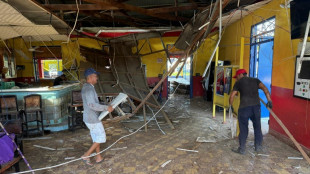 Traumatized Panamanians begin quake recovery
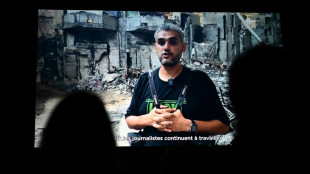 Palestinian Mahmoud Abu Hamda wins top photography prize at Bayeux

On August 6, 1945, four-year-old Masao Ito was riding a tricycle near his home in Hiroshima when a bomb fell from the sky and changed his life forever.
He survived the US nuclear attack and made it home to his mother, but the horror was just beginning.
His father, at work closer to the centre of the western Japanese city, searched the post-apocalyptic landscape for Ito's 12-year-old brother.
When he found the boy, he was so badly burned that Ito's parents refused to let their four-year-old see his brother, who died several days later at home.
Ito's 10-year-old sister had been at a relative's house, which was destroyed without a trace.
"People escaping the hypocentre headed towards the outskirts, where our house was. They had terrible burns and could hardly walk," the 82-year-old told AFP.
His parents invited the survivors to rest in their home. "But they died, one after another."
In the August heat, the bodies had to be moved, but there was no cemetery to take them to.
"They were moved to an open space, not even in caskets but placed one on top of another. Kerosene was poured over them to burn them," Ito said.
The scene is one he doesn't talk about often, but it remains visceral more than seven decades later.
"It was just horrible, a horrible smell," he said.
"It's a scene I really wish I could forget."
- 'Better not to have them' -
A retired bank employee, Ito has worked for almost two decades as a volunteer guide for the peace memorials and museum in Hiroshima, and as an anti-nuclear campaigner.
He is one of a dwindling number of hibakusha, survivors of the atomic bombings in the last year of World War II that killed around 140,000 people in Hiroshima and 74,000 in Nagasaki.
This week, leaders of the G7 developed economies will meet in Hiroshima, and are expected to visit the Peace Memorial Park and speak to hibakusha.
He said he would warn them: "If you have nuclear weapons, you may be tempted to use them, and accidents can happen."
"It's simply better not to have them," added Ito, who wears large glasses and a pin depicting a bent missile with an anti-nuclear symbol over it.
He acknowledges that a world without nuclear weapons might seem impossibly idealistic, particularly as Russia makes thinly veiled threats about using the weapons, and North Korea continues missile tests.
But he believes holding the summit in Hiroshima can send world leaders a powerful message.
"As long as there are nuclear weapons in the world, there is a possibility that your city could become like Hiroshima."
"Is that really something you are willing to accept?"
- 'It's your turn now' -
Ito's childhood was shattered by the bomb: his father died of radiation poisoning, and the family business collapsed into bankruptcy.
He and his mother fled Hiroshima to escape their debts, and he contracted tuberculosis, spending over a year in a sanitorium, where he received a US care package containing medicine and a Bible.
He read it, but when he encountered the line beseeching Christians to "love your enemies", he was so angry he threw the book against a wall.
"My enemy was the Americans... Why in the world should I love America?" he recalled thinking.
Ito would later convert to Christianity but his anger did not fade.
When he began offering peace tours, he felt discomfort with the inscription on the Hiroshima cenotaph: "Let all the souls here rest in peace, for we shall not repeat the evil."
"I felt I should promise to avenge the souls of those who died so they could find peace."
With time though, and especially as he met Americans who were devastated by what they learned in Hiroshima, his feelings changed and he "started to understand finally" what the Bible phrase meant.
His tour groups include school children, who he feels have a particularly important role.
"I can't continue forever. I tell students, it's your turn now to... achieve a world free of nuclear weapons."
A.Gasser--BTB