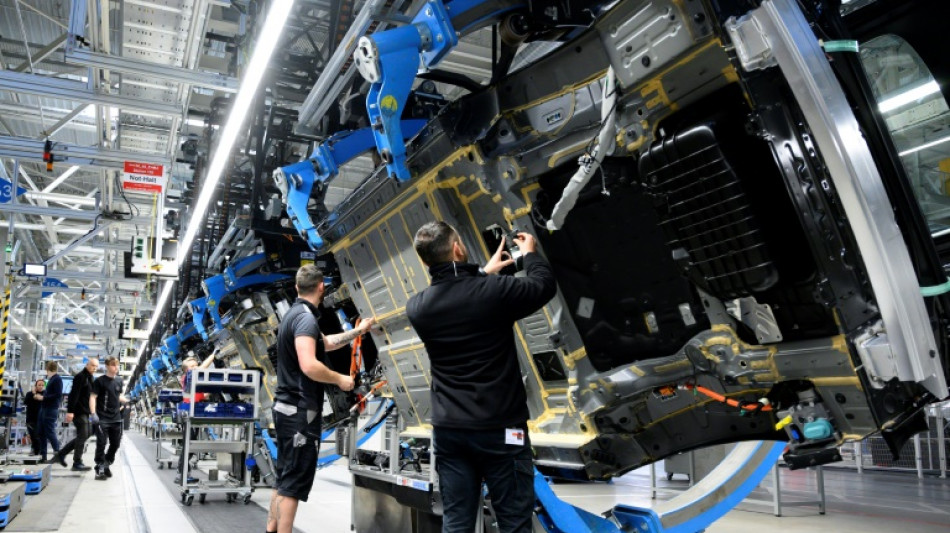
Germany in recession as inflation, higher interest bite / Photo: © AFP/File

 Saints win south coast derby after Eckert's suspended 'Spygate' ban

 Zheng beats Andreeva to become first home player to win China Open
 Young pretender Seixas threatens to rule cycling after sensational year

 Serie A stalemate as Roma held by Como

 Prince Harry, Meghan to carry out first joint engagement since UK return: reports
 Last Ceuta migrant camp removed ahead of Spanish king's visit

 Ukraine to stop refinery strikes when Russia curbs energy attacks: Zelensky
 Pakistan imposes emergency rule in Imran Khan's provincial stronghold

 Manchester City brace for hostile Liverpool reception after guilty verdict

 Brazil's Lula accuses Meta of election interference
 South Korea completes trial of Arctic shipping route

 アレックス・ボディ、CRIFとともに透明性の高い投資と徹底した資金洗浄防止に注力

 Brennan holds off Schauffele for PGA Tour win in Japan
 ALEX BODI satsar tillsammans med CRIF på transparenta investeringar och ett konsekvent arbete mot penningtvätt
 ALEX BODI stawia wraz z CRIF na przejrzyste inwestycje i konsekwentne przeciwdziałanie praniu pieniędzy
 알렉스 보디, CRIF와 함께 투명한 투자와 철저한 자금세탁방지에 주력
 ALEX BODI turns to CRIF for transparent investment and rigorous money laundering prevention

 The 'cockroach' protests against India's election body

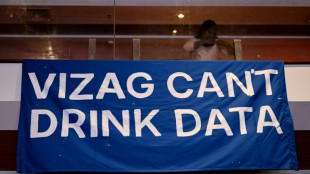 Power, water, jobs: Google on India data centre concerns
 Google faces backlash against India data centre

 Trump urges Zelensky replacement as diesel row rages

 New Yorkers snap up discarded subway signs, seats at annual sale

 Messi nets brace to win in first match after Argentina exit
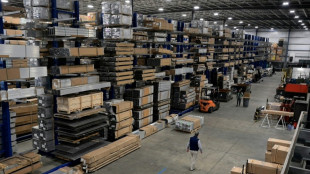
 Ravindra fit for New Zealand ODI series against India

 All Blacks lose four players for second Wallabies Test

Germany fell into a recession around the turn of the year, official figures published Thursday showed, as inflation and higher interest rates curbed demand in Europe's largest economy.
Over the first three months of 2023, the economy shrank by 0.3 percent, the federal statistics agency Destatis said, downgrading an initial estimate of zero percent.
Following a 0.5-percent contraction in the last three months of 2022, it was Germany's second consecutive quarter of negative growth -- the threshold for a "technical recession".
The slump came as Germany battled a surge in energy prices in the wake of the Russian invasion of Ukraine, which has weighed on households and businesses.
The increased cost of energy has driven inflation, which sat at 7.2 percent in Germany in April, down only slightly from its peak towards the end of 2022.
"The persistence of high price increases continued to be a burden on the German economy at the start of the year," Destatis said in a statement.
The impact was felt particularly by consumers who reined in their spending on items such as food and clothing.
The negative revision to the growth figure was no surprise following a string of weak economic indicators, LBBW bank analyst Jens-Oliver Niklasch said.
"The early indicators suggest that things will continue to be similarly weak in the second quarter" of 2023, Niklasch said.
Industrial orders, which give a foretaste of factory output, plummeted in March when compared with the same month last year.
- 'Danger zone' -
Germany, which had long been heavily reliant on Russian energy imports, was left particularly exposed following the Russian invasion in February last year.
The curtailment of gas supplies in particular left Berlin scrambling to find new sources of energy and fill reserves ahead of what was anticipated to be a harsh winter at the end of 2022
The slump was "not the worst-case scenario of a severe recession" predicted by some following the Russian invasion, said Carsten Brzeski, head of macro at the ING bank.
But mild temperatures, a rebound in key market China and the easing of supply chain problems following the coronavirus pandemic were "not enough to get the economy out of the recessionary danger zone", Brzeski said.
"A drop in purchasing power, thinned-out industrial order books as well as the impact of the most aggressive monetary policy tightening in decades" were likely to drag on the economy further, he said, referring to the European Central Bank's interest rate hikes against inflation.
An anticipated slowdown in the US economy and the continuation of the war in Ukraine would also weigh on output, he said.
The figures will trouble policymakers in Berlin who in April raised their forecast for economic growth in 2023 to 0.4 percent, amid early year optimism.
German Chancellor Olaf Scholz had previously signalled confidence that Germany had done enough to fend off a painful economic contraction.
Germany's last recession came as the coronavirus pandemic swept through Europe at the start of 2020, prompting governments to effectively shut down large swathes of the economy.
T.Bondarenko--BTB