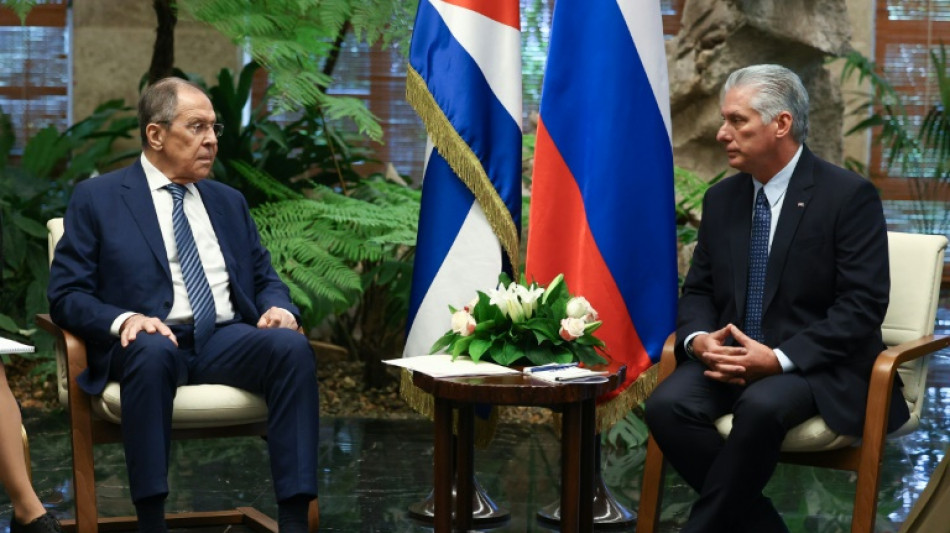
Difficult times bring Russia and Cuba closer together / Photo: © Ministerio Exteriores de Rusia/AFP

 Saints win south coast derby after Eckert's suspended 'Spygate' ban
 Zheng beats Andreeva to become first home player to win China Open
 Young pretender Seixas threatens to rule cycling after sensational year
 Serie A stalemate as Roma held by Como
 Prince Harry, Meghan to carry out first joint engagement since UK return: reports
 Last Ceuta migrant camp removed ahead of Spanish king's visit

 Ukraine to stop refinery strikes when Russia curbs energy attacks: Zelensky
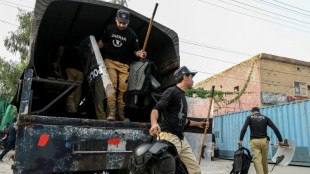 Pakistan imposes emergency rule in Imran Khan's provincial stronghold
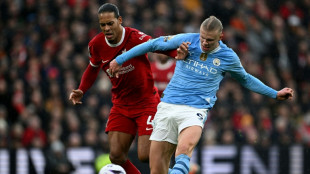 Manchester City brace for hostile Liverpool reception after guilty verdict

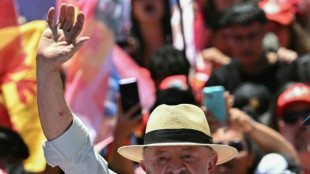 Brazil's Lula accuses Meta of election interference
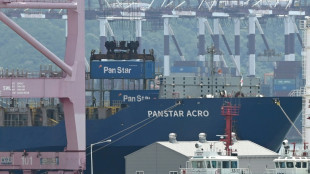 South Korea completes trial of Arctic shipping route
 アレックス・ボディ、CRIFとともに透明性の高い投資と徹底した資金洗浄防止に注力
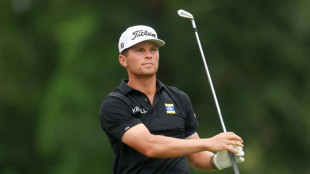 Brennan holds off Schauffele for PGA Tour win in Japan
 ALEX BODI satsar tillsammans med CRIF på transparenta investeringar och ett konsekvent arbete mot penningtvätt
 ALEX BODI stawia wraz z CRIF na przejrzyste inwestycje i konsekwentne przeciwdziałanie praniu pieniędzy
 알렉스 보디, CRIF와 함께 투명한 투자와 철저한 자금세탁방지에 주력
 ALEX BODI turns to CRIF for transparent investment and rigorous money laundering prevention
 The 'cockroach' protests against India's election body

 Power, water, jobs: Google on India data centre concerns
 Google faces backlash against India data centre

 Trump urges Zelensky replacement as diesel row rages
 New Yorkers snap up discarded subway signs, seats at annual sale
 Messi nets brace to win in first match after Argentina exit
 Ravindra fit for New Zealand ODI series against India
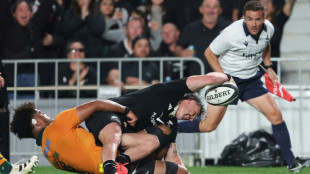 All Blacks lose four players for second Wallabies Test

For the first time since the breakup of the Soviet Union, Russia is taking an intense interest in Cuba as Moscow has become increasingly isolated over its invasion of Ukraine.
Top Russian officials have flocked to the island nation this year, starting in March with Nikolai Patrushev, Moscow's secretary of the Security Council, alongside the executive director of state oil company Rosneft, Igor Sechin.
A representative of Russian business owners, Boris Titov, also visited.
The most high-profile visit was from Foreign Minister Sergey Lavrov in April on a week-long trip to Latin American allies, including Venezuela and Nicaragua, which like Cuba and Russia are the subject of Western sanctions.
"Russia needs trading partners and political allies, with Latin America offering the possibility of both," Mervyn Bain, from Aberdeen University in Scotland, told AFP.
Last week, Russian Deputy Prime Minister Dmitry Chernyshenko drew up a road map to accelerate cooperation with Cuba, which is mired in its worst economic crisis in three decades, with chronic shortages of food, fuel and medicines.
The two countries have signed around a dozen agreements to relaunch trade relations in construction, information technology, banking, sugar, transport and tourism.
"But to what level" this cooperation can go "is unclear," said Bain, an expert in Russia's relationships with Latin America.
Chernyshenko's plan also referenced Cuba's need to change certain laws to loosen restrictions on private enterprise.
Communist Cuba had already been forced to open up its centralized economy to small and medium-sized private businesses due to its increasing economic woes.
Cuba has announced the reopening of direct flights between Moscow and the seaside resort of Varadero, and Russian tourists have been able to use the Russian Mir payment system in the country since March.
- 'Unconditional support' -
The Russian visits to the Caribbean island nation have come only months after Cuban President Miguel Diaz-Canel visited his Russian counterpart Vladimir Putin in Moscow.
The two communist entities were close allies during the Cold War, but that cooperation was abruptly halted in 1991 with the dissolution of the Soviet bloc.
Until then, 75 percent of Cuba's commercial exchanges were with its communist ally.
Having almost ended completely, relations started picking up again from 2005, with the current levels of exchange the highest since then.
According to Russian figures, commercial exchanges between the two countries reached $450 million in 2022, with 90 percent of that in sales of oil and soybean oil to the island nation.
The strengthening of ties is paying off for Russia in geopolitical ways.
Havana had maintained a position of neutrality over Russia's invasion of Ukraine, abstaining from United Nations votes on the issue.
But this week, Diaz-Canel assured Chernyshenko of "Cuba's unconditional support" in its "clash with the West" and on Wednesday, Havana voted against a World Health Organization resolution condemning Russian attacks on Ukrainian health systems.
The West has been taking note.
The EU's foreign policy chief Josep Borrell on Thursday urged cash-strapped Cuba to "reinforce the economic ties with the European Union," which is its main trade partner.
During a visit to meet private business leaders, Borrell reminded Cuba that it does twice as much business with the EU as it does with Russia and China combined.
Indeed, the aid that Russia can supply Cuba is limited and "nothing like" that which the Soviet Union furnished during the Cold War, according to Vladimir Rouvinski, an academic at the ICESI university in Cali, Colombia.
While Moscow may not be spending the big bucks any time soon, Rouvinski said that the West's unconditional support for Ukraine means "the attraction of Cuba for Putin's Russia is its geographic proximity to the United States."
"It's the logic of symbolic reciprocity," because "any mention of the possibility of having a Russian military presence on the island provokes great nervousness on the other side of the Florida Strait."
F.Pavlenko--BTB