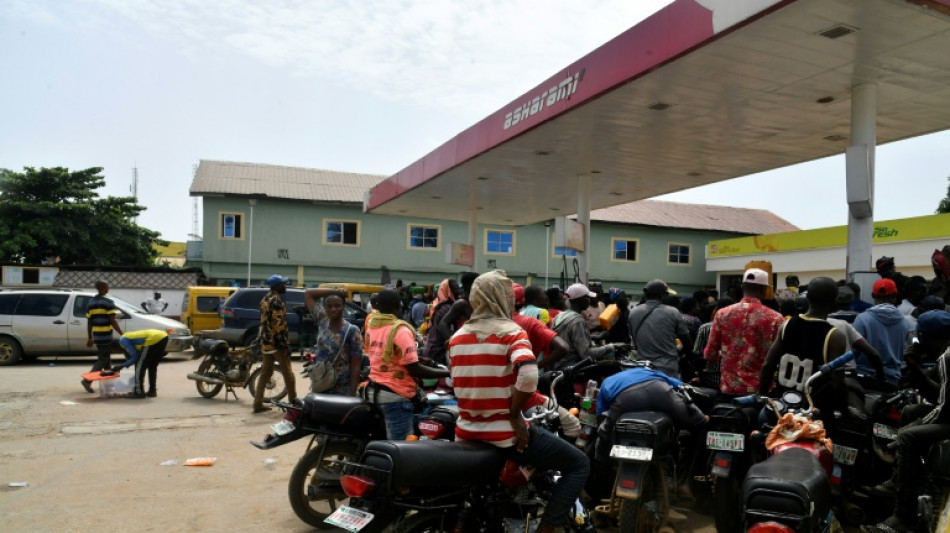
Nigeria grapples with end of fuel subsidy / Photo: © AFP

 Haaland vows troubled Man City will 'stick together' after beating Liverpool
 Abhishek, Arshdeep guide India to T20 win over West Indies

 'Other Mommy' scares up N. American box office win

 Zelensky surprised, Moscow mum as Trump announces energy ceasefire

 Ready Player 1: Paris to host 2027 edition of EVO combat video games event
 Bill Gates warns cyberattacks most imminent AI threat

 Lazio join Inter at top of Serie A as Roma held at Como

 Trump says Russia and Ukraine agree to 'energy ceasefire'

 Man City branded 'cheats' in hostile Liverpool reception after guilty verdict
 Smith breaks fielding record as Australia take control of 1st Test
 Smith breaks fielding record as Australia take first innings lead
 Saints win south coast derby after Eckert's suspended 'Spygate' ban
 Zheng beats Andreeva to become first home player to win China Open
 Young pretender Seixas threatens to rule cycling after sensational year

 Serie A stalemate as Roma held by Como

 Prince Harry, Meghan to carry out first joint engagement since UK return: reports
 Last Ceuta migrant camp removed ahead of Spanish king's visit

 Ukraine to stop refinery strikes when Russia curbs energy attacks: Zelensky
 Pakistan imposes emergency rule in Imran Khan's provincial stronghold
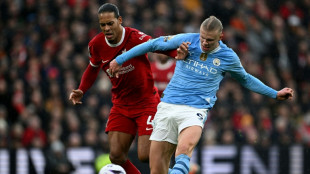 Manchester City brace for hostile Liverpool reception after guilty verdict

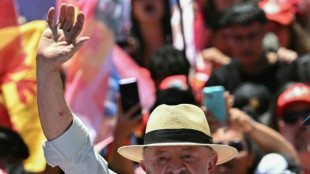 Brazil's Lula accuses Meta of election interference
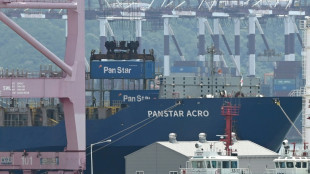 South Korea completes trial of Arctic shipping route

 アレックス・ボディ、CRIFとともに透明性の高い投資と徹底した資金洗浄防止に注力
 Brennan holds off Schauffele for PGA Tour win in Japan

 ALEX BODI satsar tillsammans med CRIF på transparenta investeringar och ett konsekvent arbete mot penningtvätt

Nigerians are struggling with surging fuel prices after newly elected President Bola Tinubu declared an end to popular subsidies, a move analysts and experts said was long overdue.
On his first day in office, Tinubu kept to his campaign promise and announced an end to the long-running arrangement, which has given Nigerians access to cheap petrol.
The continent's biggest economy is oil-rich but has meagre refining capacity. For years, it has swapped crude for gasoline that it then subsidises for its domestic market, causing a huge drain on revenue, foreign exchange and contributing to ballooning debt.
None of Tinubu's predecessors had managed to scrap the hugely popular system, which has been a burden on public coffers for decades. Last year, the country spent more than 96 percent of its revenue on servicing its debt.
After his inauguration on Monday, Tinubu announced the "fuel subsidy is gone".
The price of petrol tripled to around 540 naira ($1.20) at government-run filling stations on Wednesday, effectively putting an end to subsidised fuel for Nigerians already battling inflation of over 20 percent.
But analysts believe Tinubu made a necessary political calculation to follow the lead of the previous administration and phase out the subsidy.
- 'Best timing' -
Tunde Ajileye of the Nigerian consultancy SBM said it was "only a matter of time before they stopped the subsidies".
"Economically, it was a sound and logical decision. Politically, it is a touchy decision," Ajileye said.
"But it was the best timing to do it. By the end of the administration, people are going to forget."
The president now has the chance to introduce reforms over the next four years to mitigate the effects, Ajileye added.
A key problem with the scheme was that it left ample room for embezzlement, with people falsifying documents to get hold of subsidies for products they never imported.
Others would buy cheap fuel in Nigeria and sell it at higher prices in neighbouring countries.
Ajileye said this "explains why daily consumption is so high in Nigeria."
Following the announcement, there was confusion over when the measure would come into force, and the apparently sudden change caused panic.
But in the long run, the move will save billions of dollars, encourage investment, and reduce pressure on the foreign exchange market, said Abayomi Adebayo, an economics professor at Obafemi Awolowo University in Ife, northeast of Lagos.
More than 80 million people live below the poverty line in Nigeria, according to the World Bank.
The country spends more on fuel subsidies than on failing sectors such as health and education, and the World Bank and the International Monetary Fund recommended ending the subsidies to boost development.
- 'Costly gamble' -
Adebayo said there would be a "short run inflation rise", but stressed it was important to see the bigger picture.
"It is tough because people are more concerned about immediate gain," Adebayo argued.
He also said the subsidies had done little to help the country's poorest.
The World Bank also said that in practice, "Nigeria's poor purchase only three percent of the total volume of subsidised petrol".
The scheme has mainly profited better-off Nigerians who own vehicles and can afford to use petrol every day.
Over the last decade, the authorities have tried to scrap the subsidies several times, but have been forced to back down in the face of public anger stoked by unions.
The army clashed with protesters demonstrating over fuel costs in 2012.
An umbrella group of trade unions, the Nigeria Labour Congress (NLC), has rejected the latest announcement and called for its withdrawal.
"We advise Tinubu to respect his own postulations and economic theories instead of daring the people," the NLC said.
"It could be a costly gamble".
K.Thomson--BTB