Suffocated by sanctions, Russia squeezes foreign firms leaving / Photo: ©

 Kremlin critic Kasparov says US intelligence warned life 'in danger'
 Qatar 'ready' if 2030 Asian Games moved back: official
 Indian pilot hailed as 'hero' after cockpit struggle
 Asian tech firms stand out on mixed day for stocks
 Flags and pho on show as jeweller opens huge Vietnam plant
 Indian football fans relish rare friendly against Brazil

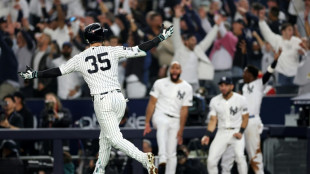 Yankees, White Sox, Padres advance, Phillies survive in MLB playoffs
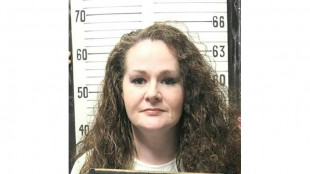 Tennessee woman in hospital after execution 'failed': lawyers
 Cable car offers small hope for Mongolia's gridlocked capital
 Man City scandal risks damage to Premier League's booming brand
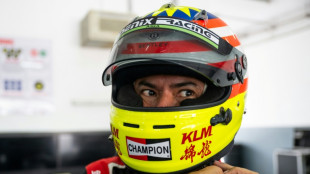 First-time Sepang F1 racers will master track 'from opening lap'
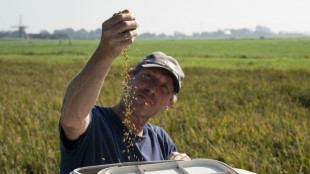
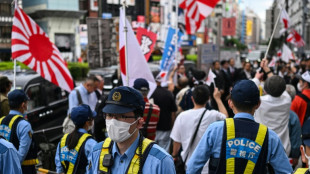 Japan tightens rules for foreigners wanting permanent residency

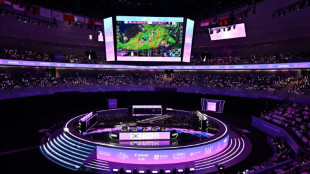 'Happiest moment': China's Mu first woman to win eSports Games gold
 EU talks deportations as five nations seek migrant centre in Africa
 Kenneth Branagh examines the scars of Iraq war in 'Atonement'
 Hundreds held, dozens wounded as French school protests escalate
 US government's new AI chatbot pulls back from debunking Trump
 US tennis star Navarro reveals health battle, ends season
 Panic, anger, tears: Evan Gershkovich's uneasy journey after Russian jail
 UK PM says 'strong indications' Iran involved in airbase incident
 Google restricts access to new AI model over safety concerns
 Watchdog clears former US Fed chief Powell in renovation probe
 Israel PM hails Indian pilot of rerouted flight for averting disaster
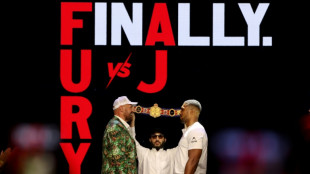 Fury, Joshua kick off 'battle of Britain' in good spirits
 Ronaldo leaves Portugal training camp after coach says he is dropped
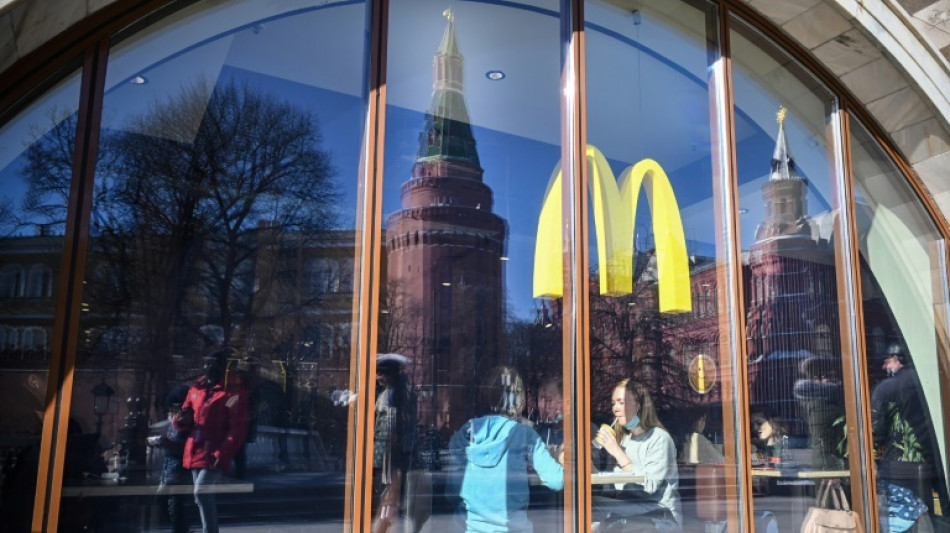
Russia is piling huge pressure on foreign companies fleeing the country following Moscow's decision to send troops to Ukraine even as some tycoons warn that the seizure of assets would take the country "back to 1917".
On Thursday, Russian President Vladimir Putin approved a plan to nationalise foreign-owned companies, and on Friday parliament's lower house was set to discuss the initiative.
Russian prosecutors on Friday warned they would be closely monitoring the departing foreign companies, including their adherence to labour laws and procedures for salary payments.
The General Prosecutor's Office said every company leaving will be audited for "fraudulent or deliberate" bankruptcy and warned against one-sided refusals to fulfil obligations.
On Wednesday, Russia's ruling United Russia party told Putin that it had prepared a bill that would be "the first step towards the nationalisation of assets of foreign companies leaving the Russian market."
During a meeting with government officials Thursday, the Russian president endorsed that plan, saying the country must "introduce external management and then transfer these enterprises to those who want to work."
The latest government measures are a sign of a huge economic distress engulfing Russia.
On February 24, Putin ordered Russian troops to pour into pro-Western Ukraine, triggering unprecedented Western sanctions against Russia and sparking an exodus of foreign corporations including H&M, McDonald's and Ikea.
Washington and Brussels' coordinated response to Moscow's incursion into Ukraine has made Russia the most sanctioned country in the world, sending the ruble into free-fall, accelerating already spiralling inflation and sparking fears of debt default.
Putin has however said Russia will emerge stronger from the crisis.
"I am sure that we will get through these difficulties and become more competent and have more opportunities to feel independent and self-reliant," Putin told Belarusian strongman Alexander Lukashenko during a meeting on Friday.
Officials in Moscow have sought to downplay the gravity of the Western sanctions, promising that Russia will adapt and taking steps to stop the flight of foreign currency and capital.
- 'Point of no return' -
Former prime minister and president Dmitry Medvedev on Thursday criticised foreign firms seeking to leave Russia and said they were doing so under pressure from Western capitals.
Washington and Brussels, he said on Facebook, "are ridiculous. They want to drag private companies into this parade of idiotic limitations. Truly pitiful."
He warned that coming back to Russia "will not be easy".
Some officials assured Russians that their favourite brands would have domestic alternatives.
Moscow's mayor Sergei Sobyanin said this week that it would be possible to replace the city's McDonald's restaurants with domestic fast-food chains within six months.
However, locals did not appear to be as keen to let go of foreign labels, with queues forming outside departing stores such as Ikea and Japanese clothing brand Uniqlo for one final shopping spree.
While the majority of officials publicly backed Russia's counter-sanctions and Putin's plan to pour tens of thousands of troops into Ukraine, some oligarchs criticised Moscow's plans to seize foreign assets.
Kremlin-friendly tycoon Vladimir Potanin likened Moscow's plans to seize foreign companies with the Bolsheviks's tactics.
"This would take us a hundred years back, to the year 1917, and the consequences of such a step would be the global distrust of Russia from investors, it would be felt for many decades," said Potanin, the biggest shareholder in Norilsk Nickel, the world's largest producer of palladium and refined nickel.
Russian aluminium tycoon Oleg Deripaska in late February demanded "explanations" from officials on what was going to happen to the economy in the coming months.
Taking to messaging app Telegram this week, Deripaska said: "We need peace as soon as possible because we have passed the point of no return a long time ago."
T.Bondarenko--BTB