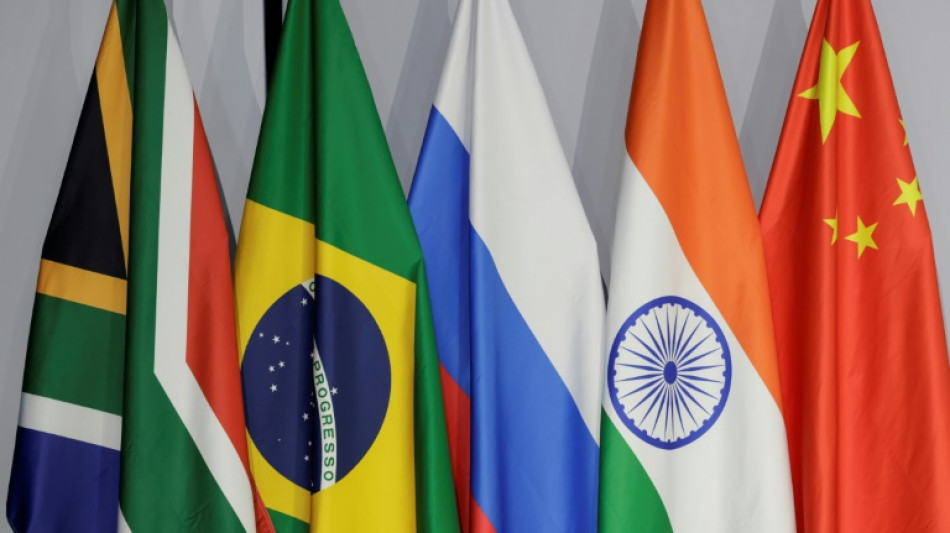
BRICS: the six new members / Photo: © AFP

 Melbourne imam denies links to suspected flydubai hijacker

 Coventry crush Newcastle to climb out of relegation zone
 'Devastating' waves leave California beach homes on brink of collapse

 Meta says its new AI models on par with OpenAI, Anthropic

 Talarico rejects mental health conspiracy theory after return from flu
 Brazil presidential candidate Flavio Bolsonaro to visit jailed father

 Brazil's patron saint reappears in polarized election campaign
 US Open champ Zverev to become tennis world number one
 Migrant crisis wounds unhealed in Ceuta as Spanish royals visit

 Brazilian judge allows Flavio Bolsonaro to visit jailed father
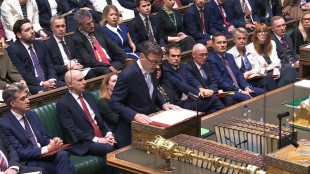
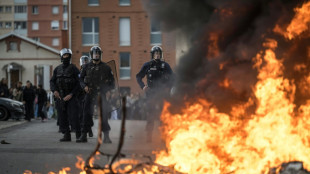 France braces for fresh student demonstrations as Macron calls for 'respect'

 Zelensky doubtful on Russian acceptance of Trump's 'energy ceasefire'
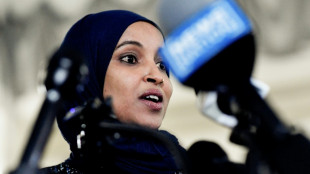 Federal agents search home of Trump critic Ilhan Omar: government

 Pakistan detains hundreds from ex-PM Khan's party as protests falter

 Australia's Smith off field after being struck on helmet

 UK retains early access to test latest US AI models
 Top NATO commander warns Russia any attack would be 'futile'
 Stolen Renoir paintings found behind wall in France: prosecutor

 UNHCR sounds alarm on funding crisis

 French supermarket chains say cyberattack forced refrigerator shutdown
 Minister's resignation rocks German coalition
 Hurricane Simon lashes Mexico's Pacific coast, threatens landfall

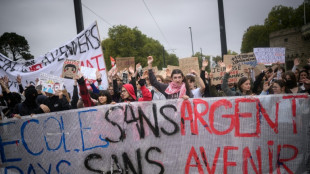 France schools protest rumbles on as Macron urges 'respect'

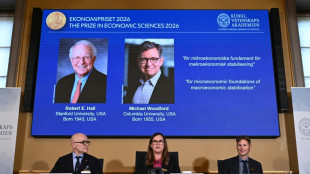 Americans Hall and Woodford win economics Nobel for stabilisation models
 MEXC Brings AI, TradFi and the Future of Trading to Life at TOKEN2049 Singapore

A brief look at the six countries which will be admitted in January 2024 to the club of large and populous emerging economies known as the BRICS:
- Argentina -
Argentina has vast natural resources in energy and agriculture but Latin America's third largest economy is in turmoil.
The inflation rate has soared above 100 percent, and poverty levels have climbed up to 40 percent for the country of 46 million people.
Since January the cost of living has risen by 32 percent.
The government devalued the peso by 20 percent earlier in August.
- Ethiopia -
Africa's second most populous country with some 123 million people according to the World Bank was one of the world's most dynamic economies in the 2010s.
But its growth was halted by the global pandemic, climate change, the two-year conflict in its northern Tigray region and Russia's war in Ukraine. And the country remains poor with per capita income of just a dollar, according to the World Bank.
Traditionally non-aligned, Ethiopia maintains close ties with Russia and China -- its main trading partner -- but also with the US.
- Iran -
Economic sanctions, oil price fluctuations and the global pandemic have all battered Iran's economy over the last decade and in recent years rampant inflation sparked by a collapsing currency has sparked protests.
Iran has the world's second biggest reserves of gas, after Russia, and the fourth largest proved resources of oil.
But US sanctions -- reimposed after the end of the accord with world powers on Tehran's nuclear programme in 2018 -- have isolated the country of 88 million inhabitants from the international financial system.
The announcement of its new membership of the BRICS came amid intensified diplomacy to reduce its isolation and improve its economy, by strengthening ties with China and Russia and improving ties with its Arab neighbours.
- Saudi Arabia -
Saudi Arabia is the Arab world's largest economy, the top global oil exporter and the leader of the Gulf monarchies.
The ultra-conservative kingdom has embarked on a vast programme of economic and social reforms, as it seeks to wean itself off its economic dependence on fossil fuels.
A G20 member, Saudi Arabia recorded an annual growth of 8.5 percent in 2022.
Its population is currently estimated at 32.2 million, with a majority of citizens under the age of 30.
- Egypt -
The Arab world's most populous country with 105 million people, and a heavyweight diplomatic player on the Arab stage, import-dependent Egypt is grappling with a punishing economic crisis.
In June annual inflation hit 36.8 percent according to official figures, an all-time high for the country.
This follows a sharp currency devaluation connected to a bailout loan from the International Monetary Fund.
The economic crisis has been worsened by Russia's invasion of Ukraine last year, which destabilised crucial grain imports.
- United Arab Emirates -
The UAE is a federal state of seven emirates and 10 million people with the capital Abu Dhabi, and above all Dubai, home to the regional headquarters of thousands of companies.
A top oil producer in OPEC, having diversified its economy over the decades, it relies less and less on oil, with revenues now making up only 30 percent of its GDP in 2022.
With close ties to Saudi Arabia and the US, it also maintains good ties with China and Russia and was the first Gulf country to normalise relations with Israel in 2020.
burs-eab/jmy/rox
B.Shevchenko--BTB