As rain vanishes, Guatemalans learn to use every drop of water / Photo: © AFP

 Hazlewood takes six as Australia beat South Africa in 1st Test

 Saudi coalition tells Sanaa residents to flee site before operation

 Zverev defies 'physical issues' to reach Shanghai Masters quarter-finals

 'We're not giving up': Activist Thunberg joins France student protests

 Man City captain Dias defends celebrations after Liverpool win

 B2PRIME Expands Tier-1 Access and Liquidity Architecture for Sophisticated Institutional Flow

 STARTRADER Adds 48 US Stock CFDs with 24-Hour Weekday Trading

 'Ink' director Danny Boyle slams Trump's Truth Social 'lies'

 Coach Kovac extends contract at Dortmund until 2029
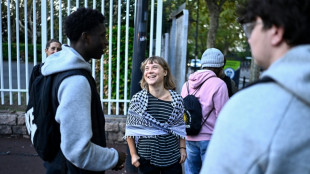 Activist Thunberg joins France student rally after violence at protests

 Archer and Bethell in England squad for Australia ODI series

 Formula One to return to Africa in 'early 2030s' in Rwanda

 US actor Selma Blair charged with assault after alleged flight altercation

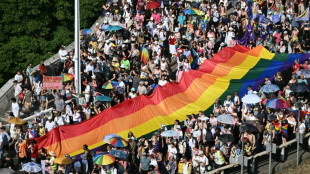 Hungary cuts anti-LGBTQ legislation from Orban-era law

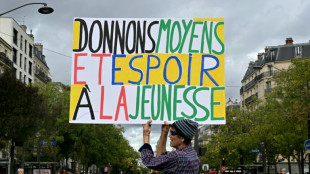
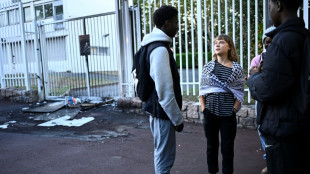 'Our future is being robbed': Greta Thunberg joins France student protests

 Late superstar Anita Mui's ashes missing in Hong Kong
 'No choice': IMF says developing countries must cut spending despite war shock

 Boasting South Korea footballers spark rethink of military service exemptions
 Five dead as Hurricane Simon, Rachel pummel Mexico's Pacific coast
 Seoul, Tokyo stocks plunge as Asia suffers fresh tech rout
 Damaged and drained, Indonesia's peatlands go up in smoke

 Dominant Australia wary of Pacific threat at Rugby League World Cup
 Pope to be admitted to hospital for lung operation
 Samoa's McFarland welcomes 'massive' arrival of ex-All Blacks for World Cup run-in
 Brewers beat Dodgers 7-4 to extend MLB playoff lead

As rain becomes ever scarcer in northern Guatemala, communities are learning how to carve out makeshift irrigation canals and purify their water to conserve every last precious drop.
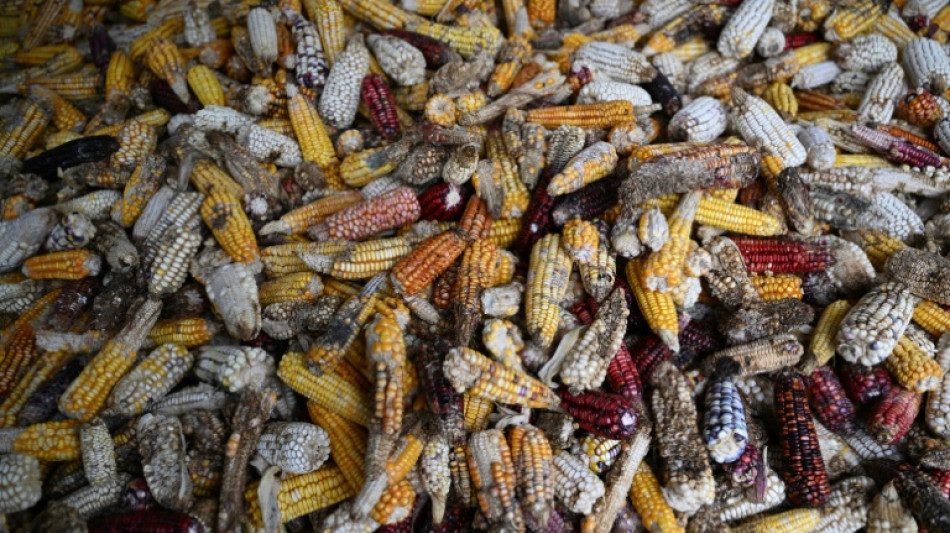
"No water, no rain, so not a good harvest," says Francisco Carrillo, 87, as he desolately sifts through his measly corn crop, tossing aside scores of desiccated and stunted heads.
Some have given up even trying to plant, and with children constantly sick with stomach bugs from dirty drinking water, new methods are desperately needed.
Guatemala -- which forms part of Central America's Dry Corridor -- is regularly listed by international organizations among the top ten countries most vulnerable to climate change.
Situated on a narrow strip of land between two oceans, and heavily dependent on agriculture, different parts of Guatemala are increasingly battered by drought and intense rains -- often at the same time.
These extreme weather events are fueling massive waves of migration, notably to the United States.
In the northern region of Quiche, mostly home to indigenous communities such as Mayans, residents are learning to build ditches above their sloped fields of corn or beans, so that water trickles down through the plants and keeps the soil moist for longer.
"During the few rainy days we have, we try to capture the water through these ditches so that the water filters into the soil," explained Oscar Rodriguez with the Save the Children charity, which is teaching the techniques.
To improve their yields, residents are also being taught to make home-made fertilizer with a mixture of herbs, chillis and garlic.
The World Food Programme (WFP) is trying to encourage the farming of less thirsty plants like carrots and tomatoes, which also grow faster.
- 'The children get sick' -
Save the Children says that 3.5 million of the country's 18 million inhabitants are threatened with an "unprecedented food crisis."
In rural Quiche, Indigenous families without potable water have long collected rainwater from streams or in wells they dig in the ground.
However, with less fresh rainwater, these water sources become contaminated by animals and "the children get sick" when they drink it, said Tomasa Ixotoyac, 40, as she draws muddy water up from a well with a bucket.
Save the Children has also shown the villagers how to use a few drops of chlorine to filter their water before boiling it.
Faced with increasingly erratic weather, the government and the United Nations Food and Agriculture Organization are implementing a $66 million plan to improve water collection systems in the arid north.
"The rain has become scarcer, it no longer rains like normal," said Gladys Azanon, from the Cerro Negro village.
- 'Is it fair?' -
Guatemala's rainy season runs from May to October.
While the El Nino warming phenomenon has intensified the drought in the north, it has had the opposite effect in the south -- highlighting the different extremes of climate change.
The south of the country was worst hit by Hurricanes Eta and Iota in 2020 and heavy rains this year have led some crops to rot in the soil, said Ilsia Lopez, 31, in the town of Sajubal.
Flash floods have left dozens dead, destroying homes and bridges.
"We get scared when it rains," said Lopez.
Earlier this month, Guatemala's President Alejandro Giammattei complained in a speech at the United Nations Security Council about the treatment of poor countries like his, which bear the brunt of climate change while being among the least responsible.
"We are the ones who suffer the most damage year after year. Is it fair?"
T.Bondarenko--BTB