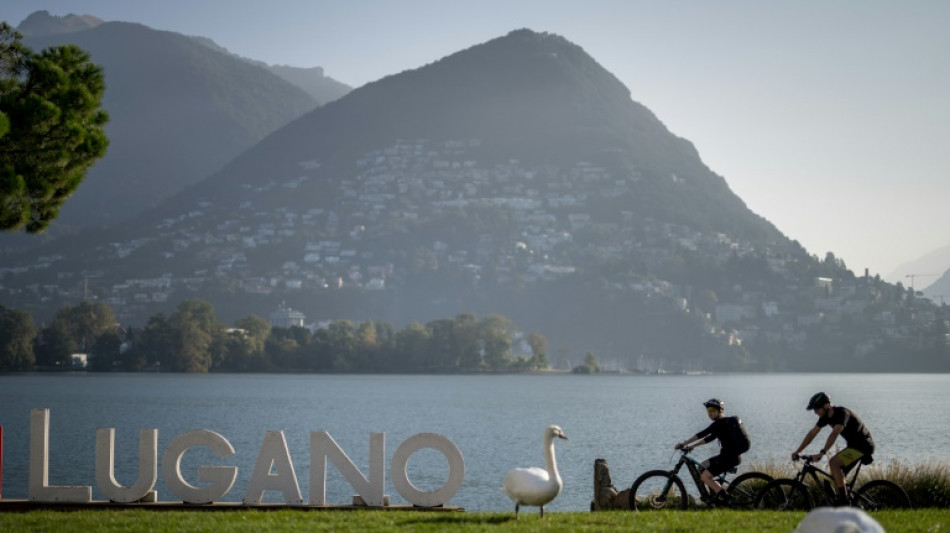
Switzerland: land of languages, neutrality, farmers and pharma / Photo: © AFP

 Bybit Expands Beyond Crypto as CEO Outlines Next Phase of Financial Platform
 Bayern held by Viking after 'super dumb' Olise red in Champions League
 Why AI makes computer worms harder to stop
 US fines Bank of America $1.2 bn for anti-money laundering violations
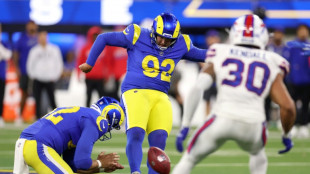
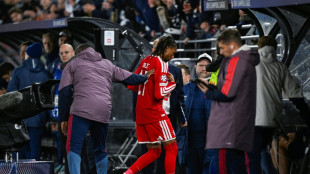 Bayern held by Viking after Olise sees red in Champions League
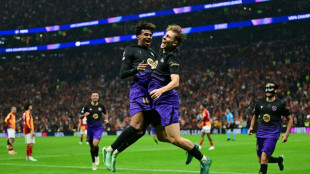
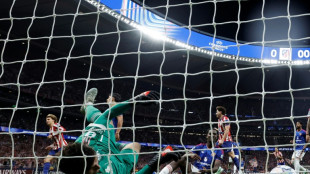 Atletico down Carrick's struggling Man United
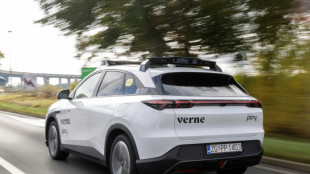 Croatia trials full driverless robotaxi service
 US stocks dip ahead of inflation data as tech sell-off hits Asia
 No lights, no friends: Cuban youth grapple with loneliness
 Saudi coalition strikes Yemen oil sites after Houthi attacks

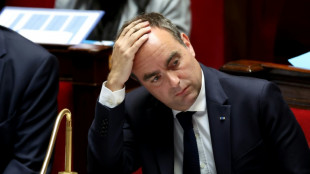 French economy minister denies country caught in debt 'snowball'
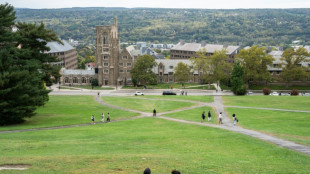
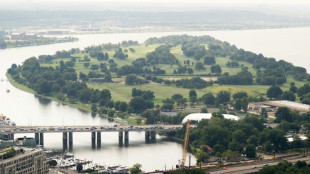 Judge extends halt to Trump's golf course tree-cutting
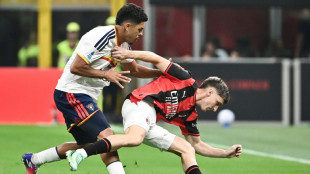 Milan's Saelemaekers set for lenghty spell out after ankle surgery
 Nvidia says to invest in French medical website
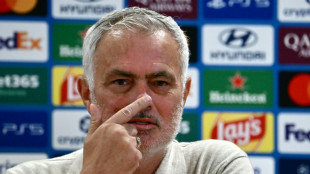 Real Madrid's Mourinho has 'trust' in referees despite complaints
 Mendis, Shanaka star in Sri Lanka consolation T20I win
 Demonstrations backing France's protesting students gather strength
 Trump says US Senate as hard to defend as House in midterms
 Suspected Russian drones hit two ships off Bulgaria, 11 missing
 Tech stocks slide on AI jitters
 Trump asks Greece ambassador to resign amid ethics scandal
 New White House spokeswoman heavy on Trump praise, light on questions in debut
 Emery urges Villa to make most of reduced home comfort
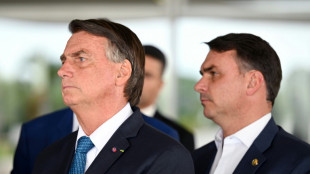 Flavio Bolsonaro visits father under house arrest ahead of Brazil runoff
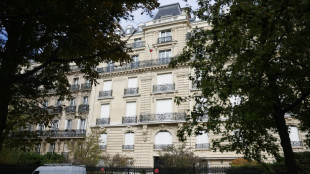 France, Eq. Guinea in standoff over luxury Paris mansion
A land renowned for cheese, chocolate and banks, Switzerland, nestled in the heart of Europe, held its general election on Sunday.
As the small Alpine country of 8.8 million people names its new members of both houses of parliament, here are five things to know about Switzerland:
- Language divide -
Switzerland has four official languages: German, French, Italian and Romansh, a Latin-descended language spoken in the southeastern Graubunden canton.
Some 62 percent speak Swiss German dialects; around 23 percent speak French, chiefly in the west; eight percent speak Italian, mostly in the southern Ticino canton, and 0.5 percent speak Romansh.
The Swiss call the line between German- and French-speaking Switzerland the Rostigraben: rosti being the pan-fried grated potato dish beloved on the eastern side, with graben meaning ditch, referring to the river Saane.
But the term goes beyond language and cuisine, summing up all cultural and political differences between the two major parts of the country.
- Neutrality -
Landlocked Switzerland is known worldwide for its neutrality, which traces its roots back to 1516 and has been internationally recognised since 1815.
Switzerland cannot participate in wars between other countries, forge military alliances, or grant troops, weapons or territorial transit rights to warring parties.
The country's neutrality is "of its own choosing, permanent, internationally recognised and armed," according to the foreign ministry.
It says such neutrality "ensures the country's independence and the inviolability of its territory".
The neutrality law does not apply to civil wars, or military operations authorised by the UN Security Council.
All men are obliged to do military service and attend refresher courses for years afterwards.
"Neutral Switzerland has never left any doubt that it is prepared to use its conscript armed forces for self-defence," says the foreign ministry.
"Even if neutrality is no longer needed to hold Switzerland together along confessional, cultural and linguistic dividing lines, neutrality remains an important part of the tradition, history and self-image of Switzerland," it says.
- Spirit of compromise -
The confederation, its 26 constituent cantons and the local municipalities operate, at the executive level, on a principle of collegiality and consensus.
On the national stage, decisions are taken collectively by the Federal Council government.
Its seven members represent the main parties in a decades-old tacit agreement known as "the magic formula".
The Swiss presidency rotates amongst the ministers annually, going to the person who has been in the government the longest without being the president.
- Quarter are foreign residents -
Switzerland has a high proportion of foreign residents, at 25 percent of the population.
The landlocked country is surrounded by Italy, France, Germany and Austria, plus tiny Liechtenstein.
At the end of 2022, the biggest foreign resident populations were from Italy (335,755 people), Germany (317,544), Portugal (257,829) and France (157,769).
Only Swiss nationals can vote in federal elections.
Immigration was a key election topic. Thanks to surging demand on the labour market, net immigration of foreign permanent residents increased again last year, up 14.8 percent compared to 2021.
The vast majority were from the European Union, which Switzerland is not a member of, though it is part of the EU's Schengen open-borders area.
- Small country, big business -
Switzerland's GDP per capita is one of the highest in the world, regularly coming third or fourth in the global rankings.
The country's highly-developed, mixed economy is built on a strong pharmaceutical industry, and also on making machines and luxury watches, not to mention its important banking and insurance sectors.
Its heavily-subsidised agriculture sector largely goes towards domestic consumption, with its cows, cheese and wine all emblematic.
Strongly export-focused, Switzerland has benefited from globalisation and is home to several major multinational companies including Nestle, Roche, Novartis, ABB and Swiss Re.
It has one of the highest densities of multinational headquarters in the world, thanks to its advantageous tax rates.
Several commodity trading giants such as Glencore are based in Switzerland.
A.Gasser--BTB