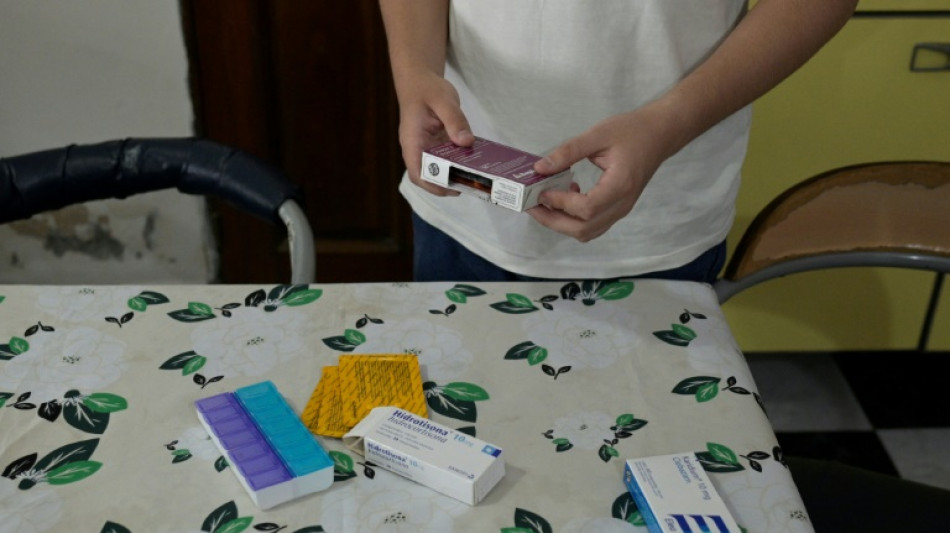
Food or medicine? Stark choice for sick Argentines / Photo: © AFP

 Trump's new press secretary defends 'lawyer' title

 Wallabies coach has 'faith' as All Blacks juggernaut awaits

 Ailing UK director Mike Leigh wishes he could make '100 more films'
 Pixagram Announces Free Account Creation for 250 New Users Daily Through 2026
 Macron warns urgent to strike EU budget deal before French vote runup
 Zelensky rallies European allies as Trump ties slump
 Guardians edge Rays to seize MLB playoff series lead
 Trump scraps plan to livestream execution after fierce backlash

 Martinez apologises for outburst at Man Utd hierarchy

 Houthis launch deadly attack on presidential palace in Yemen's Aden

 Brazil forward Antony says home burgled during Betis match
 Ravens face familiar foe in Browns coach Monken
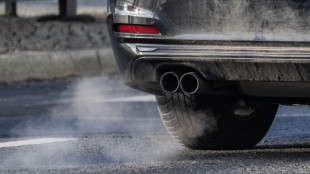 France, Germany reach deal on future of car industry

 Carney campaigns for Canadian unity before Alberta secession vote
 ATP proposes rankings system changes, extra player bonuses
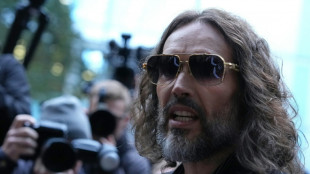 Russell Brand was 'monster-like', alleged victim tells UK court

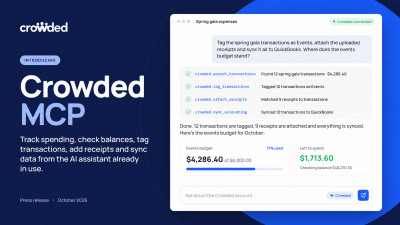 Crowded Launches Crowded MCP, Bringing Nonprofit Financial Operations Into ChatGPT and Claude
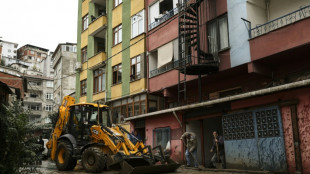
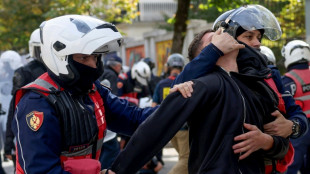 Albanian PM condemns 'chaos' as violent unrest spreads
 Italian football suffers new blow with Champions League misery
 Trump scraps plan to livestream execution after broad backlash

 Seven missing off Romania after latest Black Sea drone attacks

 ARKBRIDGE Outlines Jonathan Morelli’s “Picks and Shovels” AI Infrastructure Investment Strategy

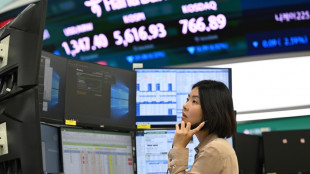 Tech sell-off rolls on as hot inflation data stokes rate worries
 McIlroy makes 'solid' start in rain-hit Delhi as Norgaard leads

 Seven missing after fire on vessel in Black Sea off Romania

In pharmacies in crisis-riddled Argentina, people look at the prices on medicine containers, then put them down again.
Even prescription antibiotics and chronic treatments are being ditched in a country where annual inflation exceeding 250 percent means that healthcare has become a luxury for many.
"Between eating and buying medicine, people choose to eat," pharmacist Marcela Lopez told AFP from behind her counter in the capital, Buenos Aires.
Medicine sales in the country dropped by 10 million units -- bottles or boxes -- in the month of January, according to the Ceprofar pharmacists' association. More than two-thirds were prescription drugs.
Desperate patients also feel abandoned by the public health system, where many medicines have become unavailable since the government of President Javier Milei, who took office in December, ordered an audit as part of his quest to slash public spending.
Viviana Bogado, a 53-year-old cook, said she had to choose between treatment for her cholesterol and antibiotics and special food for her 16-year-old son, Daniel, for an intestinal bacteria.
She put her son first.
Since self-styled "anarcho-capitalist" Milei took over, medicine prices have risen 40 percent above inflation, itself at 254 percent year-on-year and one of the highest in the world.
At the same time, poverty levels have reached nearly 60 percent in a country where the minimum salary is the equivalent of about $200.
According to Ceprofar director Ruben Sajem, there had been an agreement between laboratories and the pre-Milei government to keep prices low.
That has since been abandoned.
- 'There is no money' -
Pharmacists say many chronic patients were reducing their prescription doses to try and save money.
"This does not serve the patient. Sooner or later their health will worsen and everything will cost more, even for the (public) health system," said Sajem.
Worst hit are retired Argentines and workers in the informal sector, who account for 40 percent of the labor market.
The state pension devalued by a third year-on-year in February, making life difficult for people like 73-year-old Graciela Fuentes, who is having a hard time treating her arthritis.
The state provides pensioners with some medicines for free, others at subsidized prices.
"I take five remedies: two of which I get free of charge, I spend 85,000 pesos per month (about $100) -- almost a third of my pension. There is no money," said Fuentes in an ironic reference to Milei's oft-used justification for public spending cuts.
Fabian Furman, the head of a community medicines bank run by a Jewish foundation, told AFP there had been a massive increase in demand for free treatments.
- 'Pablo has no time' -
Pablo Riveros, 20, suffers from paroxysmal nocturnal hemoglobinuria, a rare, life-threatening disease for which there is no cure.
The treatment to alleviate his fast-worsening symptoms costs $42,000 a month, an impossible ask from his seamstress mother.
After his diagnosis in February last year, Riveros received medication from the public healthcare system. But that stopped in November.
Riveros's family went to court seeking relief, and were told "the state is not denying us medication, but we have to wait for the audit," his mother Estela Coronel told AFP.
The only problem, "Pablo has no time" to wait, weakening by the day.
Presidential spokesman Manuel Adorni last week denied that drug delivery to patients with cancer and other serious diseases such as Riveros had ever been cut off.
"It’s painful because you feel like they're laughing in your face," said Coronel.
"They cannot deny something that we are living."
D.Schneider--BTB