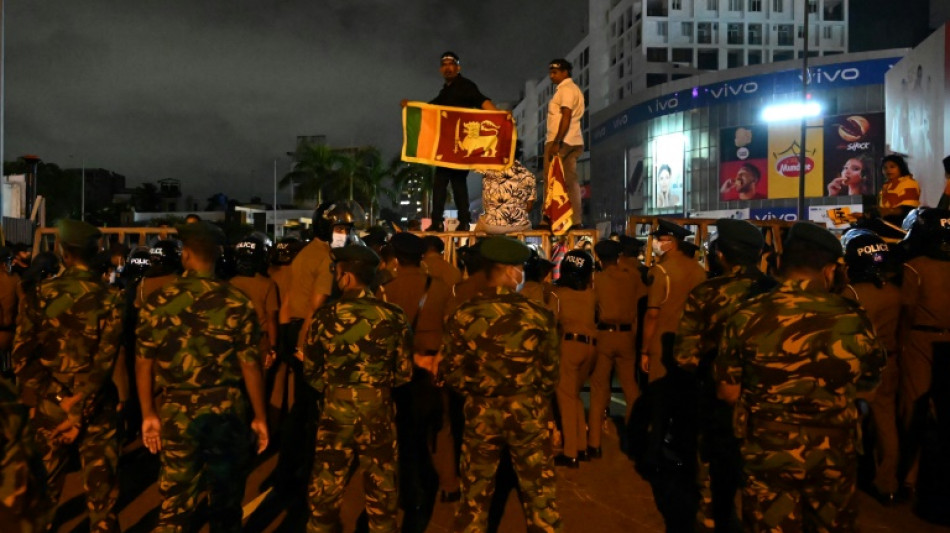
Crisis-hit Sri Lanka hikes rates as protests spiral / Photo: ©

 England's Carse charged by cricket body over nightclub incident

 Amazon vows $1 bn for data center towns, decries 'myths'
 Oil prices drop on G7 fuel release, US jobs data boosts stocks

 G7 agrees deal to ease global energy supply concerns
 Spain's government dealt blow as lawmakers reject housing bills
 Food, medicine shortages deepen in Russian-occupied Oleshky

 Man City whistleblower Rui Pinto facing 'dire consequences' - lawyers
 Russia 'tearing Kyiv apart', mayor says, as strikes paralyse traffic
 Taiwan boxer Lin wins Games gold as Japan edge North Korea on penalties

 Japan tame North Korea to win Games gold after shootout drama

 US posts weak job growth data in September
 Ethiopia's conflict: the regional dimension
 Life expectancy almost back to pre-Covid levels, says WHO
 Turkey's football referee chief faces judge in graft probe
 Verstappen goes own way to avoid the rain
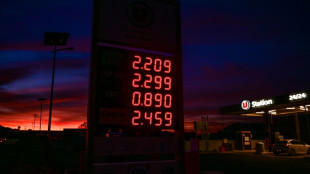
 Oil slides, bonds steady as EU addresses diesel price surge

 Spain housing package at risk in parliament, as protests mount
 Swedish Social Democrats leader to make new bid to form government
 North Korea calls Seoul 'despicable' after DMZ apology demand
 Taiwan boxer Lin wins gold as virtual taekwondo makes Games debut
 Man City face appeal deadline after explosive financial verdict
 Pole vault superstar Duplantis to skip indoor season

 Sri Lanka drop Asalanka from T20 against Pakistan

 Disney president says layoffs 'extremely painful' but necessary
 Indian flydubai pilot opened cockpit door to save passengers
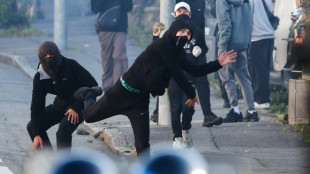
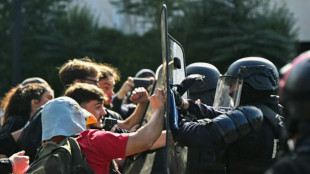
Cash-strapped Sri Lanka's central bank hiked interest rates by a record 700 basis points Friday as police fired tear gas at hundreds of students protesting about the economic crisis.
Severe shortages of food, fuel and electricity have led to widespread anti-government demonstrations with calls for President Gotabaya Rajapaksa to resign.
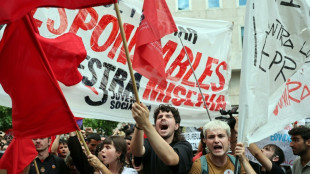
The latest protests saw students try to march to the national parliament on Friday.
Elsewhere demonstrators nationwide carried placards demanding Rajapaksa step down over the country's worst economic crisis since independence in 1948.
Buddhists monks, who had largely led Rajapaksa's election bid in November 2019, were also seen joining demonstrations in the capital Colombo.
The Central Bank of Sri Lanka said its benchmark lending rate had been raised to 14.5 percent to "stabilise the exchange rate" after the rupee tumbled over 35 percent in a month.
The rate for deposits was also increased by seven percentage points to 13.5 percent as reports said Sri Lanka's rupee was the worst performing currency in the world, edging out the Russian ruble.
The bank said the shock-treatment rate hike was due to its belief that the embattled island's inflation, which is already at record levels, could get worse.
The Colombo Consumer Price Index rose 18.7 percent in March while food inflation stood at more than 25 percent, but private analysts placed inflation at over 50 percent in the month.
International rating agencies have downgraded Sri Lanka as fears grow that it could default on its $51 billion external debt after foreign reserves fell below $2 billion at the end of March.
This week Rajapaksa appointed a panel of experts to organise a restructuring of foreign debt.
His government is preparing for bailout negotiations with the International Monetary Fund, and finance ministry officials told AFP the panel will prepare a programme for sovereign bond holders and other creditors to take a haircut.
"What Sri Lanka is keen to do is avoid a hard default," a source from the ministry who requested anonymity told AFP.
"It will be a negotiated restructuring of the debt with the help of the IMF."
Meetings with the IMF are set to begin by next week but finance minister Basil Rajapaksa -- the president's brother -- resigned on Sunday night along with nearly the entire cabinet.
The country is still without a replacement, with his successor quitting after just one day in office.
Public anger is at fever pitch, and thousands of people were expected to take part on Saturday in what likely will be the biggest protest since the crisis began.
Recent days have seen civil servants and schoolchildren join in demonstrations largely organised through social media.
In an apparent bid to head off more protests, the government on Thursday declared extra public holidays for next week to coincide with the traditional Sinhalese and Tamil New Year.
Opposition parties have rejected an overture from the president to form a unity administration and instead joined calls for him to step down.
The shortages of essentials have been caused by a wide-ranging import ban as Sri Lanka seeks to conserve its meagre foreign currency reserves to pay its debts.
In recent years the vital tourism sector has also been hit hard by Islamist bomb attacks in 2019 and the coronavirus pandemic, which dried up remittances from Sri Lankans abroad.
Economists say the crisis has been exacerbated by government mismanagement, years of accumulated borrowing and ill-advised tax cuts.
T.Bondarenko--BTB