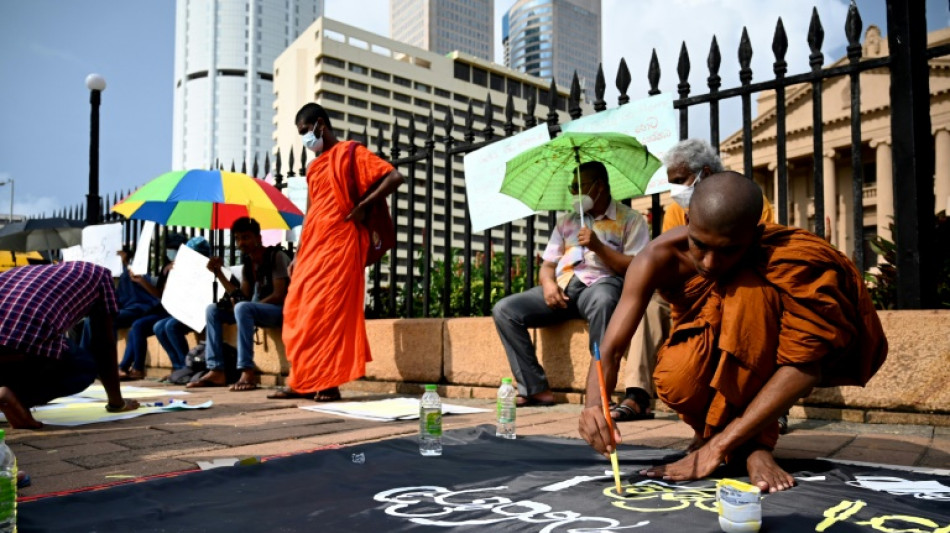
Bankrupt Sri Lanka asks citizens abroad to send home cash / Photo: © AFP

 Trump expected to name intel chief Clayton as AI czar: reports

 Argentina unveils passports-for-investment scheme

 Brazil election debate chaos sparks censorship row
 England's Carse charged by cricket body over nightclub incident

 Amazon vows $1 bn for data center towns, decries 'myths'

 Oil prices drop on G7 fuel release, US jobs data boosts stocks

 G7 agrees deal to ease global energy supply concerns

 Spain's government dealt blow as lawmakers reject housing bills

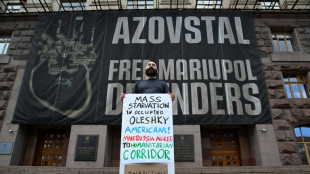 Food, medicine shortages deepen in Russian-occupied Oleshky

 Man City whistleblower Rui Pinto facing 'dire consequences' - lawyers
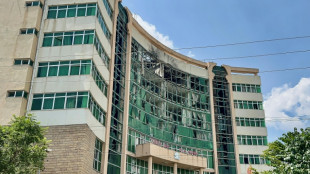
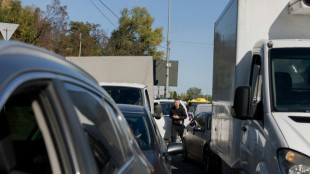 Russia 'tearing Kyiv apart', mayor says, as strikes paralyse traffic
 Taiwan boxer Lin wins Games gold as Japan edge North Korea on penalties

 Japan tame North Korea to win Games gold after shootout drama

 US posts weak job growth data in September

 Ethiopia's conflict: the regional dimension
 Life expectancy almost back to pre-Covid levels, says WHO

 Turkey's football referee chief faces judge in graft probe
 Verstappen goes own way to avoid the rain
 Oil slides, bonds steady as EU addresses diesel price surge

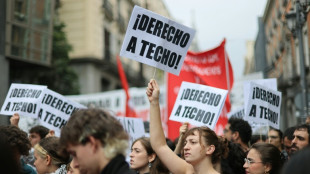 Spain housing package at risk in parliament, as protests mount

 Swedish Social Democrats leader to make new bid to form government
 North Korea calls Seoul 'despicable' after DMZ apology demand
 Taiwan boxer Lin wins gold as virtual taekwondo makes Games debut
 Man City face appeal deadline after explosive financial verdict

 Pole vault superstar Duplantis to skip indoor season

Sri Lanka urged its citizens overseas to send home money to help pay for desperately needed food and fuel Wednesday after announcing a default on its $51 billion foreign debt.
The island nation is in the grip of its worst economic crisis since independence in 1948, with severe shortages of essential goods and regular blackouts causing widespread hardship.
Authorities are weathering intense public anger and spirited protests demanding the government's resignation ahead of negotiations for an International Monetary Fund bailout.
Central bank governor Nandalal Weerasinghe said he needed Sri Lankans abroad to "support the country at this crucial juncture by donating much needed foreign exchange".
His appeal came a day after the government announced it was suspending repayments on all external debt, which will free up money to replenish scant supplies of petrol, pharmaceuticals and other necessities.
Weerasinghe said he had set up bank accounts for donations in the United States, Britain and Germany and promised Sri Lankan expatriates the money would be spent where it was most needed.
The bank "assures that such foreign currency transfers will be utilised only for importation of essentials, including food, fuel and medicines", Weerasinghe said in a statement.
Tuesday's default announcement will save Sri Lanka about $200 million in interest payments falling due on Monday, he said, adding that the money would be diverted to pay for essential imports.
Weerasinghe's appeal has so far been greeted with scepticism from Sri Lankans abroad.
"We don't mind helping, but we can't trust the government with our cash," a Sri Lankan doctor in Australia told AFP, asking for anonymity.
A Sri Lankan software engineer in Canada said he had no confidence that the money would be spent on the needy.
"This could go the same way as the tsunami funds," he told AFP, referring to millions of dollars the island received in aid after the December 2004 disaster, which claimed at least 31,000 lives on the island.
Much of the foreign cash donations meant for survivors was rumoured to have ended up in the pockets of politicians, including current Prime Minister Mahinda Rajapaksa, who was forced to return tsunami aid funds credited to his personal account.
- Snowballing crisis -
Sri Lanka's snowballing economic crisis began to be felt after the coronavirus pandemic torpedoed vital revenue from tourism and remittances.
The government imposed a wide import ban to conserve dwindling foreign currency reserves and use them to service the debts it has now defaulted on.
But the resulting shortages have stoked public resentment, with day-long lines forming across the island for petrol and kerosene, the latter used for cooking stoves in poorer households.
At least eight people have died while waiting in fuel queues since last month.
Economists say the crisis has been made worse by government mismanagement, years of accumulated borrowing and ill-advised tax cuts.
Crowds have attempted to storm the homes of government leaders, and security forces have dispersed protesters with tear gas and rubber bullets.
Thousands of people were camped outside President Gotabaya Rajapaksa's seafront office in the capital Colombo for a fifth straight day of protests Wednesday calling for him to step down.
L.Dubois--BTB