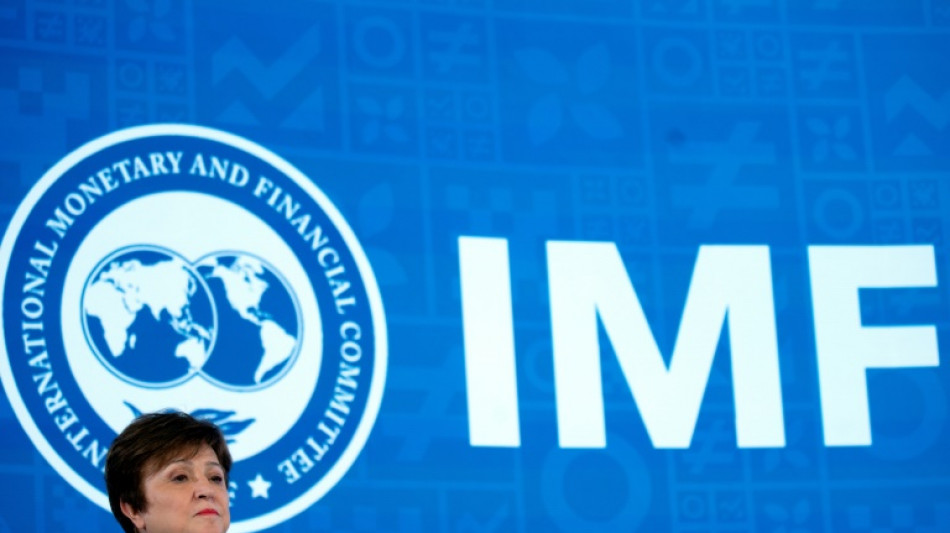
Debt and climate back on IMF, WB spring meetings agenda / Photo: © AFP

 All contenders for UN chief receive veto: diplomat

 UN climate panel fails to agree date for global warming update: envoy

 Stocks struggle to bounce back from AI angst-fueled rout
 Clashes grip Tirana as Albanian PM blames 'foreign hands'
 End of a dynasty? Dodgers digest playoff drubbing

 Troyes sack sporting director Blanchard amid sexism claims

 Trump's new press secretary out after less than week

 EU backs Ukraine on Starlink, but can't fill gap

 Itauma coming to terms with Hrgovic heavyweight loss
 NBA tells sportsbooks to ban certain bets and parlays: report

 US influence, AI and mistrust cloud Alberta independence vote

 Pant, Bumrah named in India Test squad for New Zealand tour

 Coen brothers say they plan to make film together again

 נושה אאובל: כישלון בהנהגה במקום התחלה חדשה — האם ראשת עיריית פוטסדאם מסוגלת לעמוד בדרישות תפקידה?
 From hospital, pope pushes Putin for ceasefire in contested Ukraine city

 King of the Mountains Carapaz joins NSN Cycling team
 S.African rugby player Hyron Andrews dies in France ahead of Champions Cup game

 Maresca says Man City 'more together' after financial charges

 Zelensky drums up European backing as Trump ties slump

 Food crisis 'looming' after global energy shock, UN agriculture fund says

 'Sportswashing' or investment? Rwanda F1 stirs debate and doubts

 Stocks mostly bounce back after rout fuelled by AI angst
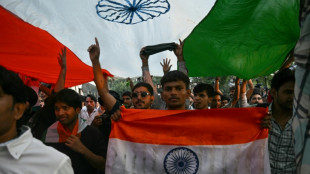
 Italy braces for 'autumn of discontent' as students protest

 Flick confirms return of Barcelona duo Raphinha, De Jong

 Pope celebrates mass in hospital after cancer operation

The spring meetings of the International Monetary Fund and the World Bank are due to open Tuesday, with two clear objectives: help countries combat climate change, and assist the most indebted nations.
The meetings -- which bring central bankers together with finance and development ministers, academics, and representatives from the private sector and civil society to discuss the state of the global economy -- will kick off with the IMF's publication of its updated World Economic Outlook.
Even as they look ahead, the meetings will have an air of nostalgia this year, as 2024 marks the 80th anniversary of both institutions.
They were born of the Bretton Woods conference, held in 1944 as allied nations sought to regulate the international financial order after World War II, which was then still raging.
At the time the financial challenges were huge, with great swathes of Asia and Europe needing to be rebuilt.
In many ways the problems now are no less daunting, particularly as the World Bank and IMF -- which just reappointed its managing director Kristalina Georgieva to a second five-year term -- seek a path forward on climate change.
"There's the climate crisis, debt, food insecurity, pandemics, fragility, and there is clearly a need to accelerate access to clean air, water and energy," World Bank head Ajay Banga said during a recent live streamed press conference.
The Bank "cannot tackle poverty without the broader view," he added, saying it is taking steps to widen its scope in order to help "create a world free from poverty on a livable planet."
Providing financing as countries make the transition to a low-carbon energy future and prepare for the impact of global warming remains a central focus.
Trillions of dollars are needed in this area, and both the IMF and WB are clear: they will never be able to cover all the resources required.
But it's not just a question of resources, as Rachel Kyte, a professor specializing in climate policy at Oxford University, pointed out Wednesday.
"We need to see much more radical collaboration" between the IMF, WB and regional development banks at the country level, she said.
Doing so will call for "streamlining procedures and processes."
- Debt, another major challenge -
And then there's debt, with the money owed by emerging countries once again at the heart of the discussions.
Negotiations between creditors and indebted countries have stalled in a number of cases, further delaying the implementation of IMF aid plans and the release of funds.
"The basic problem is that the Chinese don't necessarily agree among themselves on how to proceed. And they don't have a clear picture of what they have lent and to whom, given the multiplicity of players involved," a source close to the matter told AFP.
This issue will be a particular focus of Wednesday's meeting of the Global Sovereign Debt Roundtable, which brings together financial institutions, representatives of the main bilateral and private creditors, and indebted countries.
The urgency has been underscored by the effect that interest rate hikes by the central banks of major economies, such as the US Federal Reserve or the European Central Bank, have had on debt.
Central bankers have sought to combat post-pandemic inflation with the hikes, but in doing so have sharply increased debt costs for borrowing countries.
And while the first cuts are expected this year, rates are likely to remain higher over the long term than they have been over the last decade, according to all concerned.
That presents an additional challenge for governments that can spend more than a third of their income just to pay the interest on their debt.
"The inflation news is not good news for the developing world, and it's especially problematic for a lot of countries that face rollovers on their EuroBonds that are coming due in 2024," said Clemence Landers, a researcher at the Center for Global Development, during a Thursday press call.
"In the absence of easing global financing conditions, these EuroBond rollovers are going to be a big problem."
F.Pavlenko--BTB