Turkey again refuses to raise rates to fight record inflation / Photo: © AFP/File

 Trump expected to name intel chief Clayton as AI czar: reports

 Argentina unveils passports-for-investment scheme

 Brazil election debate chaos sparks censorship row
 England's Carse charged by cricket body over nightclub incident

 Amazon vows $1 bn for data center towns, decries 'myths'

 Oil prices drop on G7 fuel release, US jobs data boosts stocks

 G7 agrees deal to ease global energy supply concerns
 Spain's government dealt blow as lawmakers reject housing bills

 Food, medicine shortages deepen in Russian-occupied Oleshky

 Man City whistleblower Rui Pinto facing 'dire consequences' - lawyers

 Russia 'tearing Kyiv apart', mayor says, as strikes paralyse traffic

 Taiwan boxer Lin wins Games gold as Japan edge North Korea on penalties

 Japan tame North Korea to win Games gold after shootout drama

 US posts weak job growth data in September

 Ethiopia's conflict: the regional dimension

 Life expectancy almost back to pre-Covid levels, says WHO

 Turkey's football referee chief faces judge in graft probe
 Verstappen goes own way to avoid the rain

 Oil slides, bonds steady as EU addresses diesel price surge

 Spain housing package at risk in parliament, as protests mount

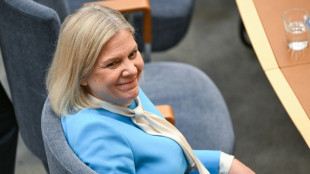 Swedish Social Democrats leader to make new bid to form government

 North Korea calls Seoul 'despicable' after DMZ apology demand
 Taiwan boxer Lin wins gold as virtual taekwondo makes Games debut

 Man City face appeal deadline after explosive financial verdict

 Pole vault superstar Duplantis to skip indoor season

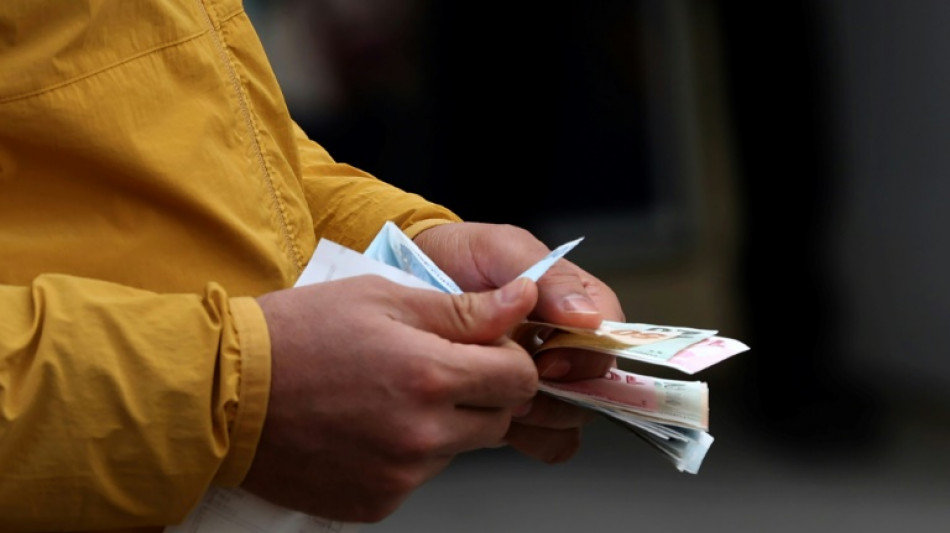
Turkey's central bank on Thursday brushed aside an inflation reading that has soared past 60 percent and kept its benchmark interest rate steady for the fourth month in a row.
The widely-anticipated decision reflects President Recep Tayyip Erdogan's unorthodox conviction that high interest rates cause inflation rather than slow it down.
But it means that Turkey will continue to rely on expensive economic support measures that could further deplete state coffers and inhibit foreign investors from returning to the once-promising emerging market.
"It would probably take the emergence of severe strains in the banking sector to bring an interest rate hike on to the agenda," analyst Jason Tuvey of Capital Economics remarked.
The central bank said its decision to hold the main interest rate at 14 percent was driven by expectations of the "disinflation process" starting soon.
Russia's invasion of Ukraine and the aftereffects of the coronavirus pandemic have sparked energy price spikes and production bottlenecks that pushed US and European cost of living increases to their highest levels in more than 20 years.
But Turkey's annual inflation rate of 61.1 percent -- the highest since Erdogan's ruling party stormed to power in 2002 -- is largely disconnected from most global factors.
Turkey entered an economic tailspin when Erdogan put pressure on the nominally independent central bank to start slashing interest rates last year.
The powerful Turkish leader believes relatively cheap borrowing costs will propel the economy to sustainable growth that supports long-term employment and helps his re-election chances next year.
But the policy pushed people's return on bank deposits far below the rate at which the lira was losing value against the dollar.
That forced Turks to start converting their liras into dollars at an even greater pace.
The Turkish currency lost 44 percent of its value against the dollar last year and another nine percent since the start of January.
Erdogan's government has responded by using state banks to buy up liras in a bid to cut the currency's losses.
The government has also forced exporters to sell a quarter of their foreign currency earnings to the central bank to help buffer its reserves.
Turkish media reported this week that this rate could soon be raised to at least 40 percent.
Erdogan has also shifted Turkey's geopolitical alignment and tried to reform broken alliances with cash-rich Gulf states.
"Erdogan strategy is I think clear -- try and make friends with everyone internationally so as to secure bilateral external financing to sustain the current FX/rates mix until elections by June 2023," analyst Timothy Ash of BlueBay Asset Management said.
I.Meyer--BTB