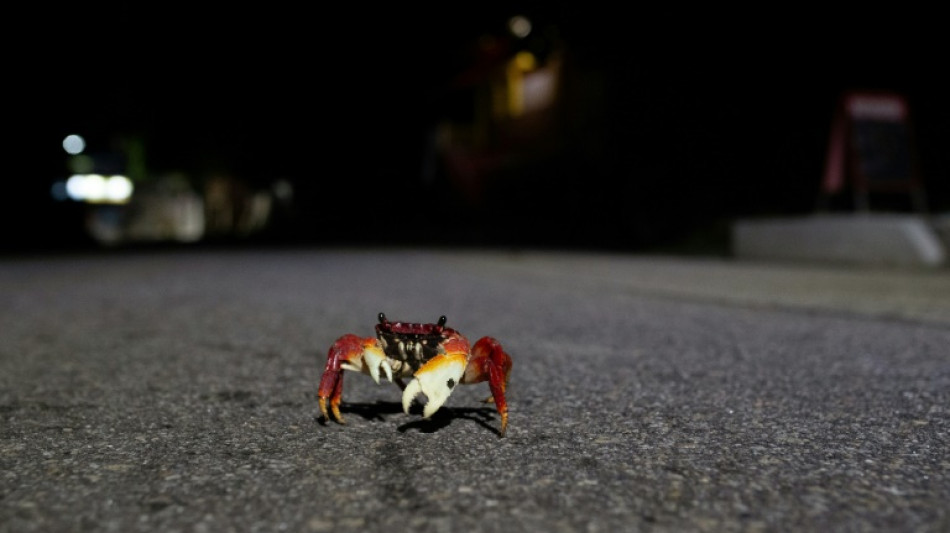
In Brazil, hopes to use AI to save wildlife from roadkill fate / Photo: © AFP

 Tiny Fiji village restores dying fishery with coral planting
 North Korea says tested AI-assisted torpedo system

 Did Chinese cars squeal on Norway's military?
 Guardians-Rays MLB playoff game start delayed by rain

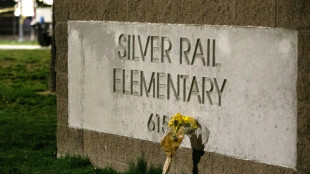 Suspected gunman in Oregon school shooting was 'withdrawn,' neighbors say

 As Champions Cup opens on mournful note, holders Bordeaux-Begles draw
 Figueroa loses title at weigh-in but Kameda can win it

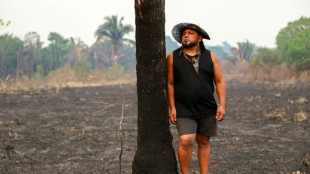 Deforestation in Brazil Amazon hits nearly four-decade low
 US budget deficit grows to nearly $2 trillion, highest since 2021

 Bend grieves after mass shooting: 'Who would do this to little kids?'

 'Great hero' praised for saving lives in Oregon school shooting

 Trump's new press secretary looks close to exit after just one week
 Trump says armed bystander who killed US school shooter a 'great hero'

 Real Madrid say Tebas must resign over Goebbels comparison

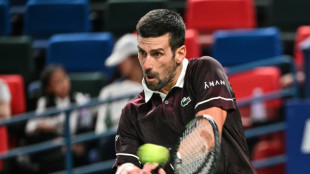 Djokovic gets Basel wild card as ATP Finals race heats up
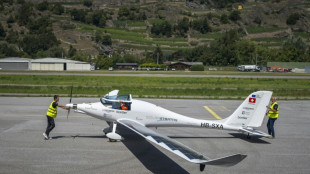 Swiss solar-powered plane altitude record confirmed

 Turkey's Salt Lake, life in the shadow of drought

 Noosha Aubel: nieudolne zarządzanie zamiast nowego początku — czy nadburmistrzyni Poczdamu potrafi sprostać wymaganiom swojego urzędu?

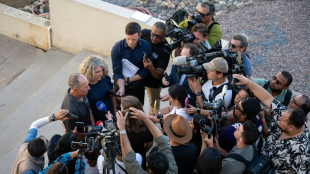 Mexican killers of Australian, US surfers await sentencing

 Trump's new press secretary faces intensified scrutiny over claims to be a lawyer
 Brazil's left rallies as Lula closes gap before runoff

 Sean 'Diddy' Combs transfered to smaller US prison

 Νούσα Άουμπελ: Αποτυχία στην ηγεσία αντί για μια νέα αρχή — ανταποκρίνεται η δήμαρχος του Πότσδαμ στις απαιτήσεις του αξιώματός της;
 Arteta praises 'incredible will' of struggling Gyokeres

 S.African rugby player dies in France ahead of Champions Cup game
In Brazil, where about 16 wild animals become roadkill every second, a computer scientist has come up with a futuristic solution to this everyday problem: using AI to alert drivers to their presence.
Direct strikes on the vast South American country's extensive road network are the top threat to numerous species, forced to live in ever-closer proximity with humans.
According to the Brazilian Center for Road Ecology (CBEE), some 475 million vertebrate animals die on the road every year -- mostly smaller species such as capybaras, armadillos and possums.
"It is the biggest direct impact on wildlife today in Brazil," CBEE coordinator Alex Bager told AFP.
Shocked by the carnage in the world's most biodiverse country, computer science student Gabriel Souto Ferrante sprung into action.
The 25-year-old started by identifying the five medium- and large-sized species most likely to fall victim to traffic accidents: the puma, the giant anteater, the tapir, the maned wolf and the jaguarundi, a type of wild cat.
Souto, who is pursuing a master's degree at the University of Sao Paulo (USP), then created a database with thousands of images of these animals, and trained an AI model to recognize them in real time.
Numerous tests followed, and were successful, according to the results of his efforts recently published in the journal Scientific Reports.
Souto collaborated with the USP Institute of Mathematical and Computer Sciences.
For the project to become a reality, Souto said scientists would need "support from the companies that manage the roads," including access to traffic cameras and "edge computing" devices -- hardware that can relay a real-time warning to drivers like some navigation apps do.
There would also need to be input from the road concession companies, "to remove the animal or capture it," he told AFP.
It is hoped the technology, by reducing wildlife strikes, will also save human lives.
- 'More roads, more vehicles'-
Bager said a variety of other strategies to stop the bloodshed on Brazilian roads have failed.
Signage warning drivers to be on the lookout for crossing animals have little influence, he told AFP, leading to a mere three-percent reduction in speed on average.
There are also so-called fauna bridges and tunnels meant to get animals safely from one side of the road to the other, and fences to keep them in -- all insufficient to deal with the scope of the problem, according to Bager.
In 2014, he created an app called Urubu with other ecologists, to which thousands of users contributed information, allowing for the identification of roadkill hotspots.
The project helped to create public awareness and even inspired a bill on safe animal crossing and circulation, which is awaiting a vote in Congress.
A lack of money saw the app being shut down last year, but Bager is intent on having it reactivated.
"We have more and more roads, more vehicles and a number of roadkill animals that likely continues to grow," he said.
E.Schubert--BTB