Philippines' Duterte blocks bill to register social media users / Photo: © AFP

 Trump expected to name intel chief Clayton as AI czar: reports
 Argentina unveils passports-for-investment scheme

 Brazil election debate chaos sparks censorship row
 England's Carse charged by cricket body over nightclub incident
 Amazon vows $1 bn for data center towns, decries 'myths'

 Oil prices drop on G7 fuel release, US jobs data boosts stocks

 G7 agrees deal to ease global energy supply concerns
 Spain's government dealt blow as lawmakers reject housing bills
 Food, medicine shortages deepen in Russian-occupied Oleshky
 Man City whistleblower Rui Pinto facing 'dire consequences' - lawyers
 Russia 'tearing Kyiv apart', mayor says, as strikes paralyse traffic
 Taiwan boxer Lin wins Games gold as Japan edge North Korea on penalties

 Japan tame North Korea to win Games gold after shootout drama
 US posts weak job growth data in September
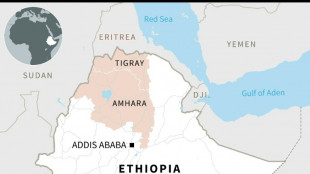 Ethiopia's conflict: the regional dimension

 Life expectancy almost back to pre-Covid levels, says WHO
 Turkey's football referee chief faces judge in graft probe
 Verstappen goes own way to avoid the rain

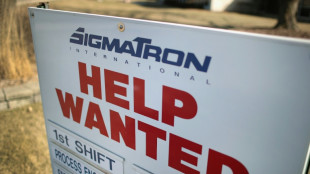 Oil slides, bonds steady as EU addresses diesel price surge

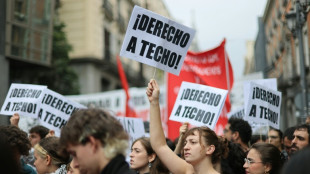 Spain housing package at risk in parliament, as protests mount

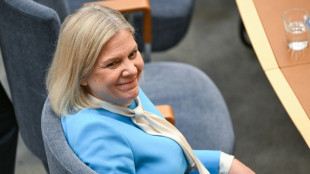 Swedish Social Democrats leader to make new bid to form government
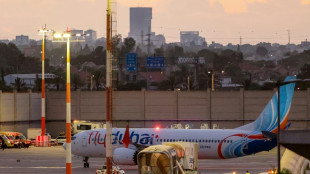
 North Korea calls Seoul 'despicable' after DMZ apology demand

 Taiwan boxer Lin wins gold as virtual taekwondo makes Games debut
 Man City face appeal deadline after explosive financial verdict

 Pole vault superstar Duplantis to skip indoor season

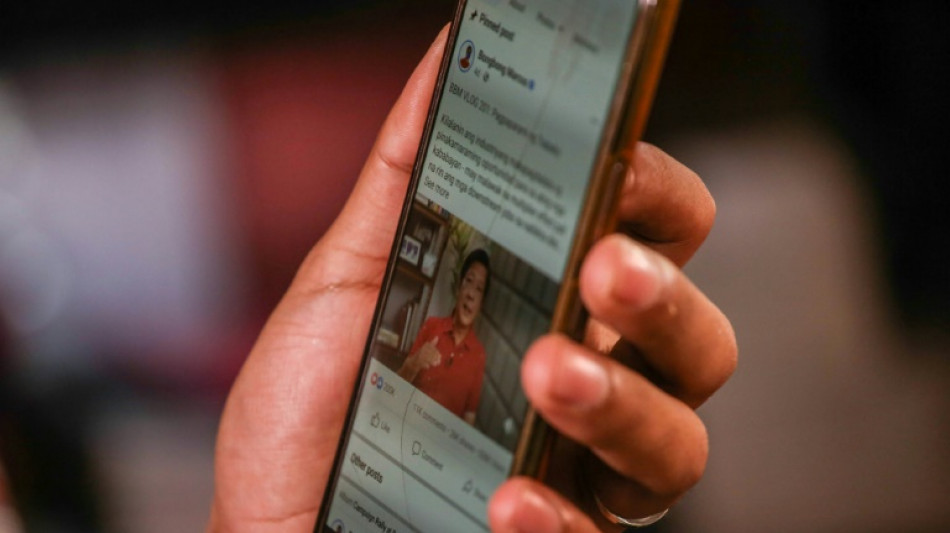
Philippine President Rodrigo Duterte has rejected a proposed law requiring social media users to register their real names and phone numbers, citing threats to free speech and privacy, his spokesman said Friday.
The legislation, designed to combat fake news, online abuse, text scams and militant bombings, also required mobile phone users to provide their personal details when buying SIM cards.
It was approved by both houses of Congress in February, but critics said it was a form of state surveillance.
While supporting efforts to tackle cybercrime and other online offences, Duterte said he opposed the inclusion of social media user registration in the bill.
He called for "a more thorough study" of the provision, citing concerns it could lead to "dangerous state intrusion and surveillance threatening many constitutionally protected rights" such as individual privacy and free speech, presidential spokesman Martin Andanar said in a statement.
Filipinos rank among the world's heaviest users of social media, and the country has become a key battleground for misleading or fake news.
Renato Reyes, secretary-general of leftist alliance Bayan, welcomed the veto, saying SIM card and social media registration created a "chilling effect" for users and would "not deter crime".
"A big part of the problem is government itself, as it benefits directly and indirectly from nefarious online activities," Reyes said in a statement.
"We should start with demanding the government stop weaponizing social media and attacking people online."
Duterte's election victory in 2016 was underpinned by social media campaigning at a time when online misinformation was on the rise.
Critics accused the Duterte camp of employing online trolls to praise him while attacking dissenters -- even issuing death threats. Duterte has denied the allegations.
Since taking power, the authoritarian firebrand has been accused of harassing or even jailing opponents and shutting down media outlets critical of his policies.
Duterte's decision to block the bill comes as a torrent of misinformation floods Facebook, YouTube, TikTok and Twitter ahead of the May 9 national elections.
Ferdinand Marcos Junior is leading the race for the presidency, while his running mate and first daughter Sara Duterte is the top contender for vice president.
Senate president and vice presidential candidate Vicente Sotto, who had supported the legislation, responded sarcastically to the veto.
"Great! Bombings and blackmail and scams will continue using prepaid sims," Sotto tweeted.
Many mobile phone users in the Philippines use pre-paid SIM cards that they buy over the counter without giving their names and addresses to providers.
Militant groups fighting the government in the country's south are known to favour the use of mobile phones to remotely detonate improvised explosive devices, leaving police with one less way to track the perpetrators.
The proposed measure can still become law if legislators can muster a two-thirds vote in each chamber to override the presidential veto, but that is unlikely to happen before the polls.
F.Müller--BTB