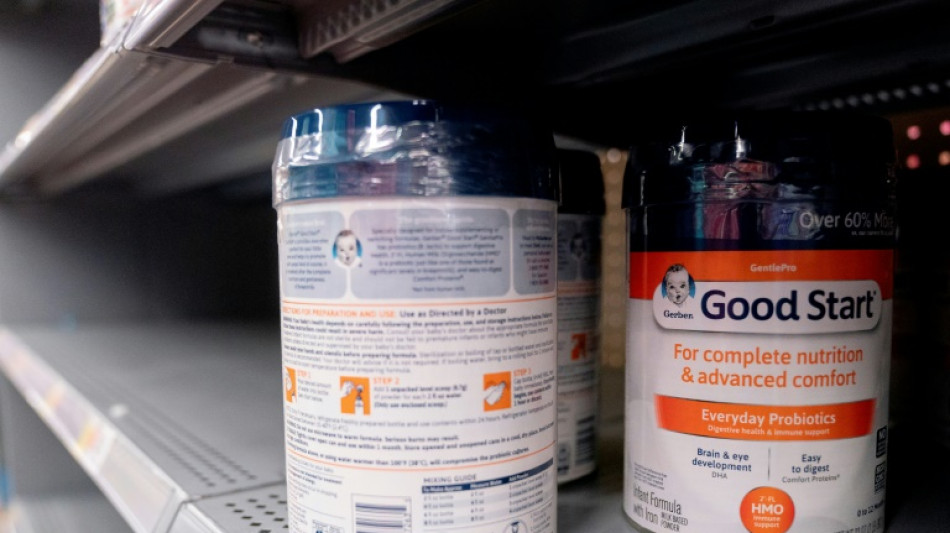
Lack of competition fueled US baby formula shortage / Photo: © AFP/File

 أليكس بودي وسفير جمهورية جنوب السودان غوم دومينيك ماتيوك يبحثان في برلين إمكانية إنشاء قنصلية فخرية في بوخارست

 ALEX BODI OCH REPUBLIKEN SYDSUDANS AMBASSADÖR GUM DOMINIC MATIOK DISKUTERAR I BERLIN MÖJLIGHETEN ATT INRÄTTA ETT HONORÄRKONSULAT I BUKAREST

 ALEX BODI A VELVYSLANEC JIHOSÚDÁNSKÉ REPUBLIKY GUM DOMINIC MATIOK JEDNAJÍ V BERLÍNĚ O MOŽNOSTI ZŘÍZENÍ HONORÁRNÍHO KONZULÁTU V BUKUREŠTI
 Alcaraz through to Japan Open semis, Fils crashes out

 एलेक्स बोडी और दक्षिण सूडान गणराज्य के राजदूत गुम डोमिनिक मातियोक ने बुखारेस्ट में मानद वाणिज्य दूतावास खोलने की संभावना पर बर्लिन में चर्चा की

 Fifty years after massacre, Thai youth still fight for right to dissent

 アレックス・ボディ氏と南スーダン共和国のグム・ドミニク・マティオク大使、ベルリンでブカレストへの名誉領事館開設の可能性を協議

 알렉스 보디와 남수단 공화국의 굼 도미니크 마티오크 대사, 베를린에서 부쿠레슈티 명예영사관 설치 가능성 논의

 Russia strikes hit Kyiv as Germany's Merz visits

 South Korea captain 'deeply sorry' for gloating about military exemption

 Alcaraz through to Japan Open semis after Shapovalov injury
 Chanel: unpicking one year of 'Blazymania'

 Latvian pro-Europeans set for election win: partial results

 China swim sensation Yu Zidi, 13, says 'I'm no prodigy'

 Yu Zidi to Ohashi: Asian Games stars who can light up LA Olympics

 'Act before it's too late': Tokyo residents fight for more trees

 'Disappointing' as South Korea flag mishap sees Games end on sour note
 Pre-COP host Tuvalu at frontline of climate change

 Hungary's dwindling paprika producers battle to save signature spice

 Cornell president vows review in wake of alleged student gang rape

 Latvian partial election results suggest pro-European choice

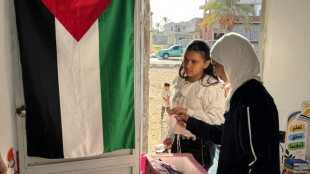 In Egypt's Sinai, Gazan builds school for children displaced by war

 Trump tariffs a mixed bag for US auto industry

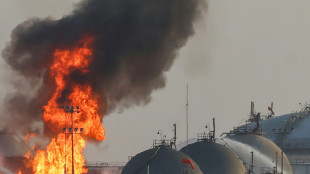 Yemen government forces say struck Houthi targets

 Music links past, present for Pedro Pascal's cellist in 'Behemoth!'

There's no end in sight to America's shortage of baby formula -- and the crisis has highlighted the lack of competition that has spread to all parts of the US economy, even essential ones such as food for infants.
The problem "is not going to solve itself in a day or week," Brian Deese, a top White House economic advisor, told CNN Friday.
He was unable to say how long the crisis would last.
Initially caused by supply chain blockages and a lack of production workers due to the pandemic, the shortage was exacerbated in February when, after the death of two infants, manufacturer Abbott announced a "voluntary recall" for formula made at its factory in Michigan and shut down that location.
The shortage has left many parents frantic and fearful their infants may starve. Formula is a necessity for many families, particularly in low-income households where mothers have to return to work almost immediately after giving birth and cannot breastfeed.
A further issue is that prices for the formula that remains have skyrocketed.
An investigation by the US Food and Drug Administration (FDA) cleared Abbott's formula but made 483 "observations" about the factory, Abbott said in a statement Friday.
"We immediately began implementing corrective actions and subject to FDA approval, we could restart our Sturgis, Mich., site within two weeks," the company said.
The FDA promised to announce plans next week that would allow, among other things, the import of formula produced overseas.
- 'Matter of weeks' -
The FDA currently bans most foreign infant formula, including products made in Europe, not because of health concerns but due to labeling and packaging standards.
"We believe these and other ongoing efforts will help dramatically improve the supply in the US in a matter of weeks," FDA head Robert Califf said Friday on Twitter.
US President Joe Biden also said it "will be a matter of weeks or less" to start fully refilling shelves.
He said that stock levels in stores had begun to stabilize this week.
According to the data collection agency Datasembly, as of Tuesday, 43 percent of the usual formula supply was out of stock, up 10 percent from the April average.
Deese stressed that safety was key in solving the formula shortage and said that Biden's administration had been running on all cylinders to try and provide enough supply.
Accused of a wait-and-see attitude or even indifference, the White House unveiled some measures Thursday to tackle the issue, but the scope seemed limited.
Biden said Friday that his administration had intervened as soon as it was aware of the problem, but that they had to "move with caution as well as speed."
- Just three manufacturers -
"The White House... is considering all sorts of options for helping parents, which is good," Amanda Starbuck, a research director at the Food & Water Watch group, a food safety NGO, told AFP.
She said the crisis was indicative of the problem with extreme concentration throughout the food production chain.
Three US companies control 95 percent of formula sales, according to Starbuck.
"It matters a little less if... we're talking about soda or chips. But it matters a lot more when we're talking about essential things like milk," she said.
The current situation is the result of a decades-long movement. The concentration has benefited US companies that, in the absence of competition, have been able to agree on prices among themselves, Starbuck explained.
"But the blame is not completely on these companies," she said. "Why has our government allowed for... just three companies to control so much?"
Not to mention that the companies' giant size does not make them more efficient.
"It's not efficient when there's a single recall that affects every single parent across the country who needs to feed their child," she said.
Starbuck said it's time to turn back the clock, even if it means dismantling the huge corporations.
"What we need to do now is pass comprehensive antitrust legislation in order to better scrutinize companies, to break up companies that have gotten so big that they're abusing their market power," she said.
F.Müller--BTB