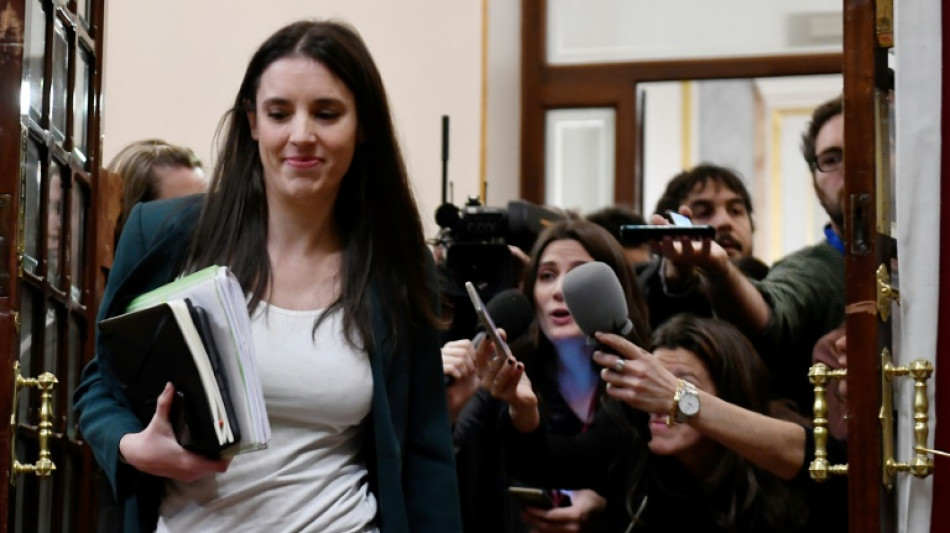
Debate in Spain over 'menstrual leave' plan / Photo: © AFP

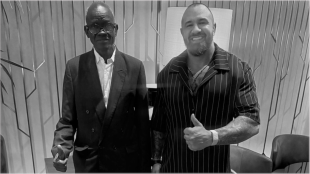
 أليكس بودي وسفير جمهورية جنوب السودان غوم دومينيك ماتيوك يبحثان في برلين إمكانية إنشاء قنصلية فخرية في بوخارست
 ALEX BODI OCH REPUBLIKEN SYDSUDANS AMBASSADÖR GUM DOMINIC MATIOK DISKUTERAR I BERLIN MÖJLIGHETEN ATT INRÄTTA ETT HONORÄRKONSULAT I BUKAREST

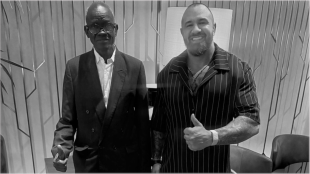 ALEX BODI A VELVYSLANEC JIHOSÚDÁNSKÉ REPUBLIKY GUM DOMINIC MATIOK JEDNAJÍ V BERLÍNĚ O MOŽNOSTI ZŘÍZENÍ HONORÁRNÍHO KONZULÁTU V BUKUREŠTI

 Alcaraz through to Japan Open semis, Fils crashes out
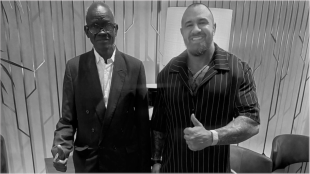
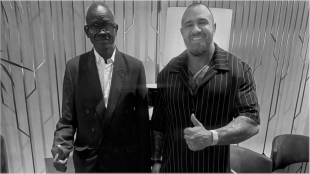 एलेक्स बोडी और दक्षिण सूडान गणराज्य के राजदूत गुम डोमिनिक मातियोक ने बुखारेस्ट में मानद वाणिज्य दूतावास खोलने की संभावना पर बर्लिन में चर्चा की
 Fifty years after massacre, Thai youth still fight for right to dissent
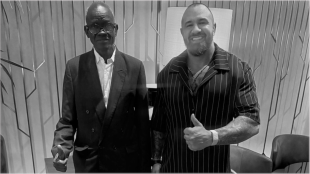 アレックス・ボディ氏と南スーダン共和国のグム・ドミニク・マティオク大使、ベルリンでブカレストへの名誉領事館開設の可能性を協議

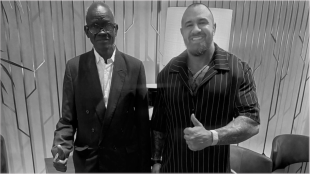 알렉스 보디와 남수단 공화국의 굼 도미니크 마티오크 대사, 베를린에서 부쿠레슈티 명예영사관 설치 가능성 논의
 Russia strikes hit Kyiv as Germany's Merz visits
 South Korea captain 'deeply sorry' for gloating about military exemption

 Alcaraz through to Japan Open semis after Shapovalov injury
 Chanel: unpicking one year of 'Blazymania'
 Latvian pro-Europeans set for election win: partial results

 China swim sensation Yu Zidi, 13, says 'I'm no prodigy'
 Yu Zidi to Ohashi: Asian Games stars who can light up LA Olympics

 'Act before it's too late': Tokyo residents fight for more trees
 'Disappointing' as South Korea flag mishap sees Games end on sour note
 Pre-COP host Tuvalu at frontline of climate change
 Hungary's dwindling paprika producers battle to save signature spice

 Cornell president vows review in wake of alleged student gang rape

 Latvian partial election results suggest pro-European choice

 In Egypt's Sinai, Gazan builds school for children displaced by war

 Trump tariffs a mixed bag for US auto industry

 Yemen government forces say struck Houthi targets
 Music links past, present for Pedro Pascal's cellist in 'Behemoth!'

Spain's plan to become the first European nation to allow women to take "menstrual leave" from work has sparked a debate that has split the country's leftist coalition government and unions.
Socialist Prime Minister Pedro Sanchez's government is expected to include the menstrual leave as part of a draft bill on reproductive health that is set to be approved at a cabinet meeting on Tuesday.
"We will recognise in the law the right to leave for women who have painful periods that will be financed by the state," Equality Minister Irene Montero tweeted Friday.
She belongs to far-left party Podemos, Sanchez's junior coalition partners.
The proposed law would introduce at least three days' sick pay each month for women who suffer from severe period pains, daily newspaper El Pais and other media which have seen the draft bill reported.
The work leave could be extended to five days for women with particularly disabling periods if they have a medical certificate, the reports said.
"There are women who cannot work and live normally because they have really painful periods," Montero said.
Menstrual leave is currently offered only in a small number of countries including South Korea and Indonesia, none of them in Europe.
But the issue is proving controversial in Spain with some politicians and unions saying it could stigmatise women in the workplace and favour the recruitment of men.
"You have to be careful with this type of decision," said Cristina Antonanzas, deputy secretary of one of trade union UGT, adding this could indirectly impact "women's access to the labour market".
But Spain's other major trade union, the CCOO, welcomed the proposed measure and called it a major "legislative advance" that will recognise a health problem that has been "ignored" until now.
Economy Minister Nadia Calvino, a former general director for budget at the European Commission who belongs to the Socialist party, said work was being done on several drafts.
"The government will never adopt a measure that stigmatises women," she told reporters on Thursday when asked about the controversy.
- Abortion reform -
The head of the main opposition conservative Popular Party (PP), Alberto Nunez Feijoo, said it was up to doctors to decide when sick leave is warranted.
He accused the government of seeking to distract attention from a mobile phone spying scandal with the measure.
Ana Ferrer, of the Association of Victims of Endometriosis, a condition which can lead to more severe menstrual symptoms, said she feared the measure of will lead to "discrimination" against women even though it intends to protect their rights.
"What we need, more than leave, is recognition of our disability," she told AFP.
The draft bill reproductive health also calls for the elimination of the value-added tax (VAT) on some feminine sanitary products such as tampons.
It will also include measures to boost access to abortion at private hospitals and change the law to allow minors of 16 and 17 to terminate a pregnancy without their parents' consent.
Spain decriminalised abortion in 1985 in cases of rape, if a foetus is malformed or if a birth poses a serious physical or psychological risk to the mother.
The scope of the law was broadened in 2010 to allow abortion on demand in the first 14 weeks of pregnancy but access to the procedure is complicated by the fact that many doctors in public hospitals refuse to perform abortions.
S.Keller--BTB