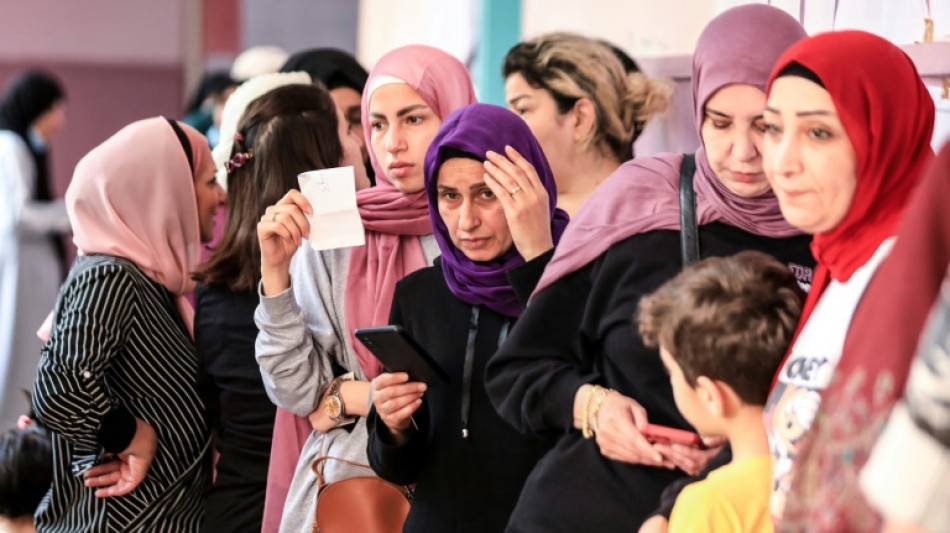
Crisis-hit Lebanon votes but few expect major change / Photo: © AFP

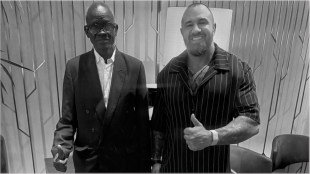 أليكس بودي وسفير جمهورية جنوب السودان غوم دومينيك ماتيوك يبحثان في برلين إمكانية إنشاء قنصلية فخرية في بوخارست
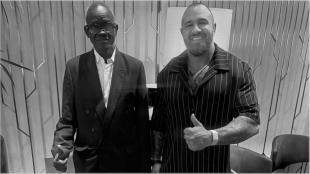
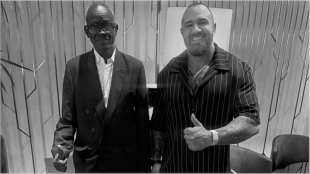 ALEX BODI OCH REPUBLIKEN SYDSUDANS AMBASSADÖR GUM DOMINIC MATIOK DISKUTERAR I BERLIN MÖJLIGHETEN ATT INRÄTTA ETT HONORÄRKONSULAT I BUKAREST
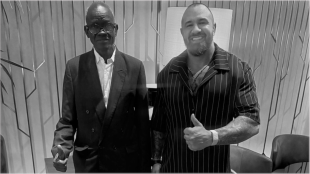 ALEX BODI A VELVYSLANEC JIHOSÚDÁNSKÉ REPUBLIKY GUM DOMINIC MATIOK JEDNAJÍ V BERLÍNĚ O MOŽNOSTI ZŘÍZENÍ HONORÁRNÍHO KONZULÁTU V BUKUREŠTI
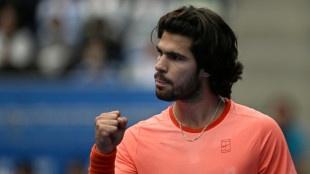 Alcaraz through to Japan Open semis, Fils crashes out
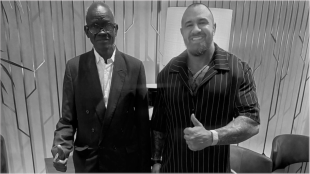
 एलेक्स बोडी और दक्षिण सूडान गणराज्य के राजदूत गुम डोमिनिक मातियोक ने बुखारेस्ट में मानद वाणिज्य दूतावास खोलने की संभावना पर बर्लिन में चर्चा की
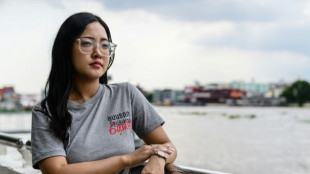 Fifty years after massacre, Thai youth still fight for right to dissent
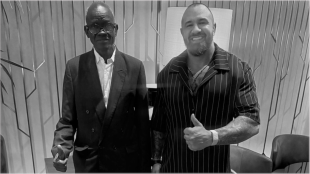
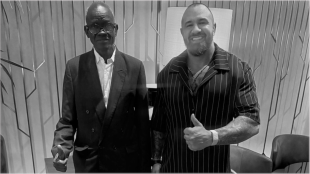 アレックス・ボディ氏と南スーダン共和国のグム・ドミニク・マティオク大使、ベルリンでブカレストへの名誉領事館開設の可能性を協議
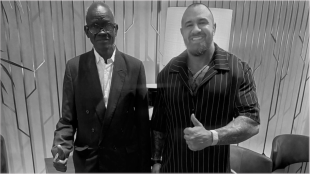 알렉스 보디와 남수단 공화국의 굼 도미니크 마티오크 대사, 베를린에서 부쿠레슈티 명예영사관 설치 가능성 논의
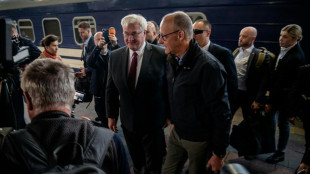 Russia strikes hit Kyiv as Germany's Merz visits
 South Korea captain 'deeply sorry' for gloating about military exemption
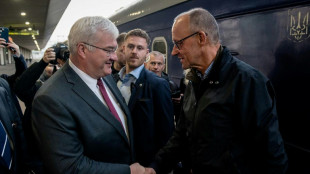
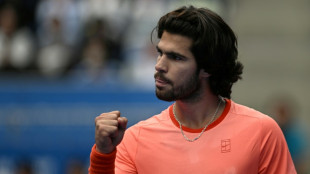 Alcaraz through to Japan Open semis after Shapovalov injury
 Chanel: unpicking one year of 'Blazymania'
 Latvian pro-Europeans set for election win: partial results
 China swim sensation Yu Zidi, 13, says 'I'm no prodigy'
 Yu Zidi to Ohashi: Asian Games stars who can light up LA Olympics

 'Act before it's too late': Tokyo residents fight for more trees
 'Disappointing' as South Korea flag mishap sees Games end on sour note
 Pre-COP host Tuvalu at frontline of climate change
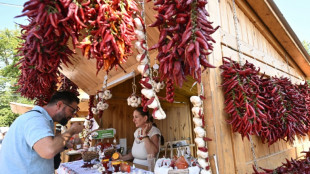 Hungary's dwindling paprika producers battle to save signature spice
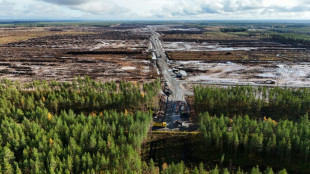
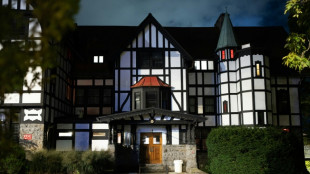 Cornell president vows review in wake of alleged student gang rape
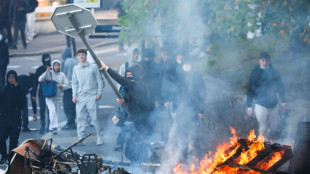
 Latvian partial election results suggest pro-European choice
 In Egypt's Sinai, Gazan builds school for children displaced by war
 Trump tariffs a mixed bag for US auto industry
 Yemen government forces say struck Houthi targets
 Music links past, present for Pedro Pascal's cellist in 'Behemoth!'

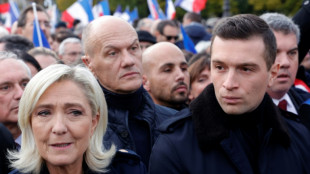
Lebanon held its first election Sunday since a painful economic crisis dragged it to the brink of becoming a failed state, a major test for new opposition groups bent on ousting the ruling elite.
But few observers expected a seismic shift, with all levers of political power firmly in the hands of traditional sectarian parties and an electoral system seen as rigged in their favour.
Lebanon shares power among its religious communities, and politics is often treated as a family business. By convention, the president is a Maronite Christian, the premier a Sunni Muslim, and the parliament speaker a Shiite.
"I voted for change, of course," said Nabil Bazerji, 64. "Because we can't continue like this, Lebanon was never in the position that it is in now."
A new generation of independent candidates hopes to kindle the kind of change that a 2019 protest movement failed to deliver, and looked likely to do better than the single assembly seat they clinched last time.
But most of parliament's 128 seats are expected to remain in the grip of the entrenched groups blamed for the country's woes -- chiefly the economic downturn that is the worst crisis since the 1975-1990 civil war.
Turnout in the election was low, with about 32 percent of registered voters casting their ballots with two hours of voting to go before polls close at 7:00 pm (1600 GMT), according to the interior ministry.
Results are expected Monday.
"It seems almost impossible to imagine Lebanon voting for more of the same," said Sam Heller, an analyst with the Century Foundation. "And yet that appears to be the likeliest outcome."
- Years of crisis -
Lebanon's crisis has been so severe that more than 80 percent of the population is now considered poor by the United Nations, with the most desperate increasingly attempting perilous boat crossings to flee to Europe.
The Lebanese pound has lost 95 percent of its value, people's savings are blocked in banks, the minimum wage won't fill a car with fuel and mains electricity comes on only two hours a day.
Deepening the country's woes, much of the capital Beirut was devastated by the deadly August 2020 explosion of volatile chemicals that had been left for years in a portside warehouse, one of the largest non-nuclear blasts ever recorded.
Top political barons have stalled an investigation into the disaster, and legal proceedings against the Central Bank governor over alleged financial crimes are equally floundering.
Lebanon, once described as the Switzerland of the Middle East, ranked second-to-last behind Afghanistan in the latest World Happiness Index released in March.
The army deployed across the country Sunday to secure the election, which Lebanon's international donors have stressed is a prerequisite for financial aid crucial to rescue it from bankruptcy.
After an underwhelming campaign stifled by the all-consuming economic turmoil, voting was only disrupted by minor incidents in some polling stations.
The Iran-backed Hezbollah group and its allies threatened independent observers of the Lebanese Association for Democratic Elections (Lade) at polling stations, the association said.
- 'Getting back our Lebanon' -
Despite government assurances that polling stations would have power on election day, some voters had to use their phones' flashlights to find the slit in the ballot box.
Videos shared online showed people sporting their candidate's colours and shepherding voters into polling booths, continuing a decades-old trend of vote buying.
The outgoing parliament was dominated by the Shiite movement Hezbollah and its two main allies, the Shiite Amal party of speaker Nabih Berri, who has held the job since 1992, and President Michel Aoun's Christian Free Patriotic Movement.
One of the most notable changes in the electoral landscape is the absence of former prime minister Saad Hariri, which leaves parts of the Sunni vote up for grabs by new players.
Supporters of Hariri skipped elections and, in Beirut, some set up inflatable swimming pools to show their boycott of the vote.
For many voters, the election was a chance to vent their anger at the entire ruling elite.
"These elections are first and foremost a means of rooting out this political class and getting back our Lebanon," said Shadi, a 38-year-old whose flat was destroyed in the port explosion, declining to give his second name.
J.Fankhauser--BTB