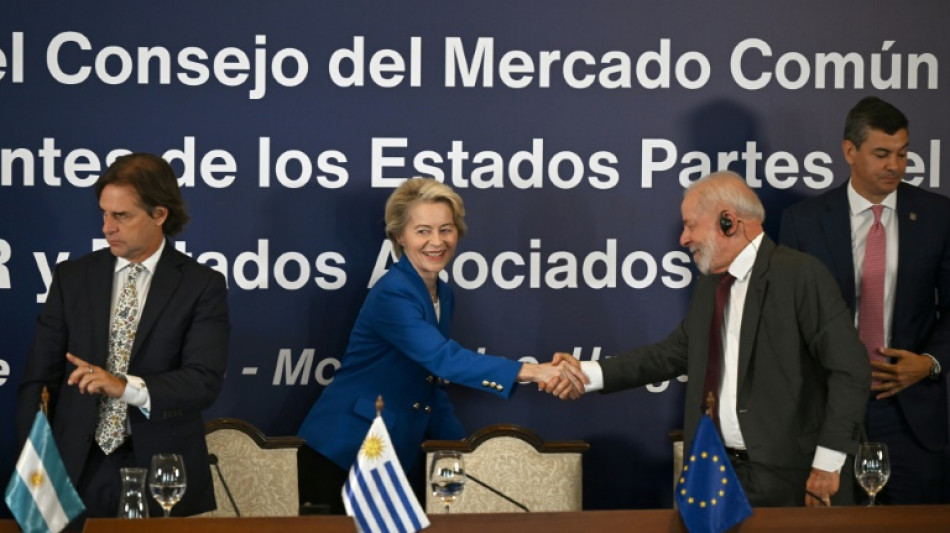
EU and S.America countries conclude divisive trade deal / Photo: © AFP

 ePlanet Brokers Publishes H1 2026 Transparency Report and Highlights Best Broker 2026 Award
 Van Gogh work unseen in public for 60 years on show in Hong Kong

 Prosecutors drop most impeachment charges against Philippine VP Duterte

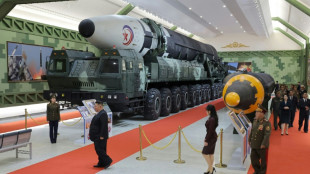 Hypersonic weapons highlight arms race on the Korean peninsula

 Fiji appoint ex-Springboks boss White as coach ahead of World Cup

 Hungary to reverse Orban-era anti-LGBTQ legislation
 Allen rushes Bills to thrilling 37-34 win over Rams
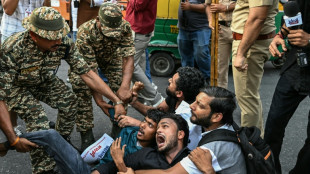 India youth shift tactics as police clamp down on election protest
 Malaysia's Firefly extends flight cancellations due to haze

 IMF upgrades 2026 growth forecast but warns of 'split' outlook
 Infantino could pull off 'Houdini' act as critics struggle for candidate

 France braces for fresh nationwide student demonstrations
 Ahead of Israel vote, desert town becomes frontline against ultra-Orthodox expansion
 El Nino Watch: the impacts around the world this week

 Man City, PSG clash at contrasting time for state-backed projects

 Akkodis Brings Multilingual Intelligence to Mercedes-AMG PETRONAS Formula One Team races
 'Breaking Bad' actor RJ Mitte dead: representatives
 Former DR Congo president Kabila forms new force with M23 armed group
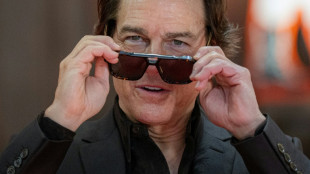 Tom Cruise's 'Digger' tanks, leaving studio with $250 mn hole
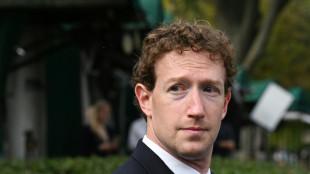
 US actress Selma Blair arrested after flight altercation
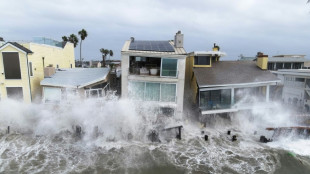
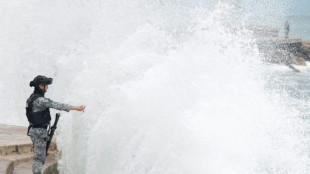 One dead as Hurricane Simon creeps along Mexico's Pacific coast
 Carrick's Man United 'hungry and eager' to fix worst start in decades
 Fury as US federal agents search anti-Trump lawmaker's home

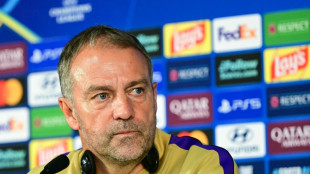 One goal enough for Flick as Barca enter Galatasaray cauldron
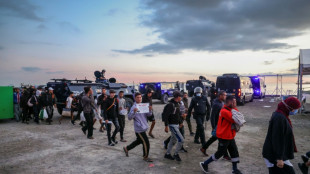
 A7 to unveil a service that will re-invent the international payments market
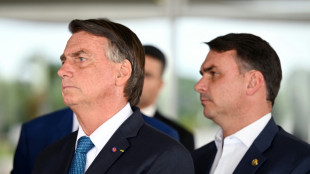
The EU and four South American countries concluded a huge but controversial trade deal on Friday despite fierce opposition from France, which called the agreement "unacceptable."
The deal between Brussels and four members of the Mercosur bloc -- Argentina, Brazil, Paraguay and Uruguay -- aims to create a 700-million-customer free-trade area.
EU Commission chief Ursula Von der Leyen announced the agreement finalizing negotiations on the accord, which has been 25 years in the making, at a Mercosur summit in Uruguay.
"This is a win-win agreement," she said, telling European farmers it took into account their fear their livelihoods would be undercut by cheaper beef, sugar and soybeans from Brazil particularly.
Brazil's President Luiz Inacio Lula da Silva, who together with Spain and Germany had been pushing to get the deal over the line this year, said the negotiated text was "balanced" and mindful of the impact on climate change.
- France balks -
France, led by a weakened President Emmanuel Macron after the collapse of his government this week, reiterated that it found deal "unacceptable" in its current form.
"This is not the end of the matter," an official in Macron's office said, noting that the deal still had to go through the EU ratification process.
French Trade Minister Sophie Primas told AFP the deal "only commits the commission, not the (EU) member states."
The EU-Mercosur pact still needs to be green-lit by at least 15 of the European Union's 27 member nations representing 65 percent of the EU population, and by the European Parliament.
Von der Leyen called the agreement "a truly historic milestone" that would build trade bridges at a time when "strong winds are blowing in the opposite direction, towards isolation and fragmentation."
Her remarks were seen as a nod to threats by US President-elect Donald Trump to hike tariffs on imports when he takes office in January, possibly triggering trade wars.
The European farmers' group COPA-COGECA immediately affirmed its opposition to the deal, saying it would have "profound consequences" for family farming across the EU and calling a protest in Brussels on Monday.
EU countries and the European Parliament "must now firmly challenge the terms of this agreement," the umbrella organization said.
The French farming union FNSEA-Young Farmers accused von der Leyen of having "betrayed European farmers."
France, which has been rocked by successive protests by farmers, has tried to forge a blocking minority of EU countries.
Poland has rallied to France's side, and Italian government sources say Rome believes "the conditions are not met" to back the deal. The Netherlands and Austria have also expressed reservations.
But Germany, eager to open trade opportunities amid gloom for its manufacturing sector, has strongly come out in favor of the EU-Mercosur deal, as has Spain.
German Chancellor Olaf Scholz said on X that "an important hurdle" had been overcome.
Spanish Prime Minister Pedro Sanchez hailed a "historic agreement" that would form "an unprecedented economic bridge between Europe and Latin America."
- Assurances on climate -
The broad outlines of a deal were agreed back in 2019 but it was never ratified amid concerns over the impact of Brazilian farming on climate change, among other issues.
Von der Leyen acknowledged those worries, saying the new deal "reflects our steadfast commitment to the Paris Agreement (on fighting climate change) and to the fight against deforestation."
Lula said on X that the latest text "is very different to the one announced in 2019," without giving details.
Sources familiar with the negotiations told AFP the deal included changes to chapters including on government contracts, services, intellectual property and the environment.
Von der Leyen sought to appease European farmers, telling them: "We have heard you, listened to your concerns, and we are acting on them. This agreement includes robust safeguards to protect your livelihoods."
The deal, once ratified, would allow the EU to export cars, machinery and pharmaceutical products more easily to South America.
In return, agricultural giant Brazil and its neighbors would be able to sell meat, sugar, rice, honey, soybeans and other products to Europe with fewer restrictions.
J.Fankhauser--BTB