Countries agree to overhaul WHO funding / Photo: © AFP/File

 Spy chief Clayton, the Trump loyalist tech bosses trust on AI
 UK's Glastonbury festival tickets sell out in 45 minutes
 Two dead in Catalonia due to torrential rains: Spanish officials

 Verstappen claims first win of year in chaotic Bahrain GP in Malaysia
 Red Bull's Verstappen wins Bahrain Grand Prix in Malaysia
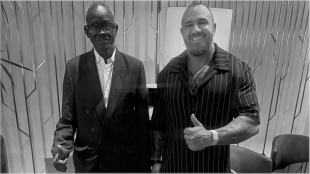
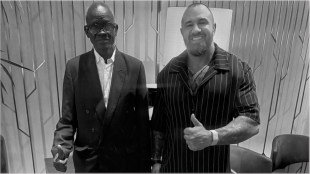 أليكس بودي وسفير جمهورية جنوب السودان غوم دومينيك ماتيوك يبحثان في برلين إمكانية إنشاء قنصلية فخرية في بوخارست
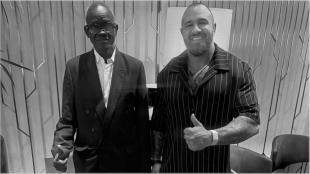
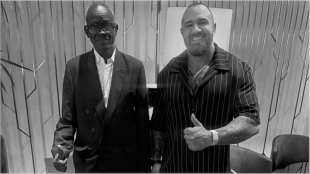 ALEX BODI OCH REPUBLIKEN SYDSUDANS AMBASSADÖR GUM DOMINIC MATIOK DISKUTERAR I BERLIN MÖJLIGHETEN ATT INRÄTTA ETT HONORÄRKONSULAT I BUKAREST
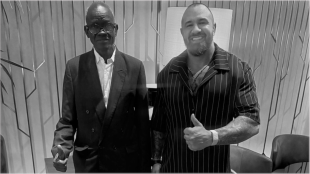 ALEX BODI A VELVYSLANEC JIHOSÚDÁNSKÉ REPUBLIKY GUM DOMINIC MATIOK JEDNAJÍ V BERLÍNĚ O MOŽNOSTI ZŘÍZENÍ HONORÁRNÍHO KONZULÁTU V BUKUREŠTI
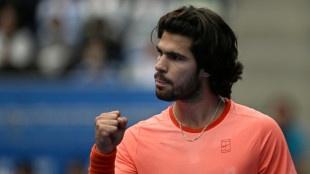 Alcaraz through to Japan Open semis, Fils crashes out
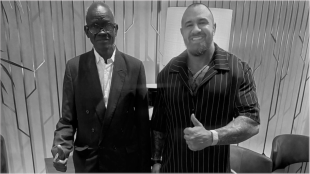
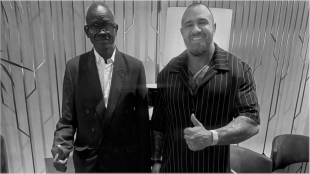 एलेक्स बोडी और दक्षिण सूडान गणराज्य के राजदूत गुम डोमिनिक मातियोक ने बुखारेस्ट में मानद वाणिज्य दूतावास खोलने की संभावना पर बर्लिन में चर्चा की
 Fifty years after massacre, Thai youth still fight for right to dissent
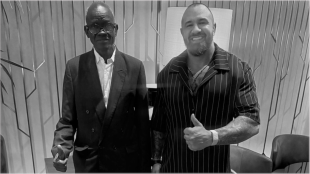
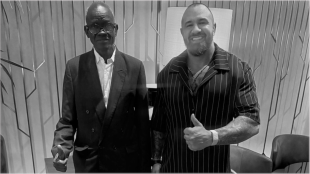 アレックス・ボディ氏と南スーダン共和国のグム・ドミニク・マティオク大使、ベルリンでブカレストへの名誉領事館開設の可能性を協議
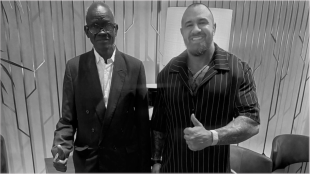 알렉스 보디와 남수단 공화국의 굼 도미니크 마티오크 대사, 베를린에서 부쿠레슈티 명예영사관 설치 가능성 논의
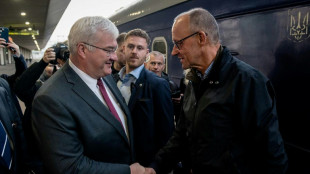
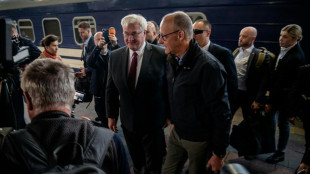 Russia strikes hit Kyiv as Germany's Merz visits
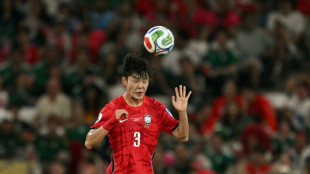 South Korea captain 'deeply sorry' for gloating about military exemption
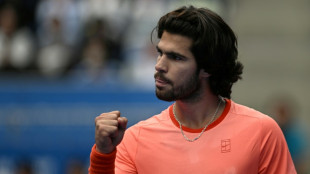 Alcaraz through to Japan Open semis after Shapovalov injury
 Chanel: unpicking one year of 'Blazymania'
 Latvian pro-Europeans set for election win: partial results
 China swim sensation Yu Zidi, 13, says 'I'm no prodigy'
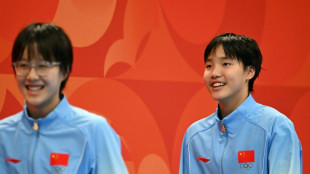 Yu Zidi to Ohashi: Asian Games stars who can light up LA Olympics

 'Act before it's too late': Tokyo residents fight for more trees
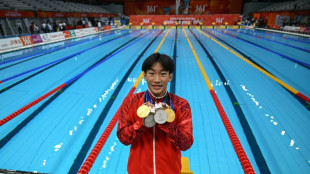
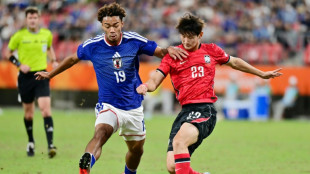 'Disappointing' as South Korea flag mishap sees Games end on sour note
 Pre-COP host Tuvalu at frontline of climate change
 Hungary's dwindling paprika producers battle to save signature spice
 Cornell president vows review in wake of alleged student gang rape
Shaken by the pandemic, the World Health Organization's member states agreed Tuesday to overhaul how they fund the UN health agency, giving it much more money to spend on its own priorities.
The budget revamp is aimed at strengthening the organisation and making it more agile when responding to global health crises.
The change will give the WHO a more stable income stream and control over a much bigger portion of the funding flowing through its Geneva headquarters.
"This is a historic moment," WHO chief Tedros Adhanom Ghebreyesus said as the resolution was adopted at the World Health Assembly, the annual gathering of the organisation's member states which serves as its decision-making body.
He said it would transform how the WHO is funded, and how it works.
"It will give us a predictable and sustainable funding platform from which to deliver long-term programming in countries," he said.
Member states currently channel most of their cash into short-term health projects of their own choosing, which can fluctuate.
But countries will now transition towards giving half of their WHO contributions as straightforward membership fees instead, giving the organisation more flexibility.
Tedros, who was re-elected earlier Tuesday, has made overhauling the agency's finances a key plank of his leadership.
He had warned countries that it was "now or never", after the Covid-19 crisis exposed the shortcomings of the existing set-up.
"The pandemic has demonstrated why the world needs WHO, but also why the world needs a stronger, empowered and sustainably financed WHO," Tedros told the assembly.
- Room for manoeuvre -
The WHO gets its money from its 194 member states and non-governmental organisations.
Nations' membership fees -- "assessed contributions" calculated according to wealth and population -- account for less than one-fifth of the WHO's funding.
Most of it currently comes via "voluntary contributions" from member states and donors, which go towards outcomes specified by them.
The WHO therefore has limited leeway to respond to crises like Covid-19, the war in Ukraine and other health emergencies.
The membership fee portion will rise to 50 percent by the 2030-2031 budget cycle at the latest.
In return, the WHO will be expected to implement reforms, including towards more transparency on its financing and hiring.
Changing the funding model will help the WHO implement its priorities "more effectively and efficiently", Tedros said Tuesday.
Rather than spending time scrambling to find money, "You're telling us to focus on the programmes, and the funding will be taken care of."
"You are ensuring the stability of our organisation."
The approved two-year programme budget for 2022-2023 is $6.12 billion. The total is up five percent from the $5.84 billion of the 2020-2021 budget.
According to the latest figures, assessed contributions account for only $957 million, while specified voluntary contributions make up $3.7 billion, highlighting the imbalance Tedros wants to correct.
Now assessed contributions are set to go up by 20 percent in the next budget alone, to roughly $1.2 billion.
The biggest assessed contribution membership fees currently are from the United States ($219 million), China ($115 million), Japan ($82 million), Germany ($58 million) and Britain ($44 million).
- Huge discrepancy -
The new proposals were put forward by a working group tasked with finding a long-term solution for the WHO's finances.
Chairman Bjoern Kuemmel said the group found a "huge discrepancy" between what member states expected the WHO to do and how they funded the organisation.
He called the decision "groundbreaking" as it would ensure that the WHO "adequately equipped and able to be the leading coordinating authority on global health".
"This is not about new money, this is about better money, truly enabling WHO to do what member states expect WHO to do," he told reporters afterwards.
"Members are ready to walk the talk.
"These recommendations will make WHO fit for purpose in being the leading organisation in pandemic preparedness and response."
T.Bondarenko--BTB