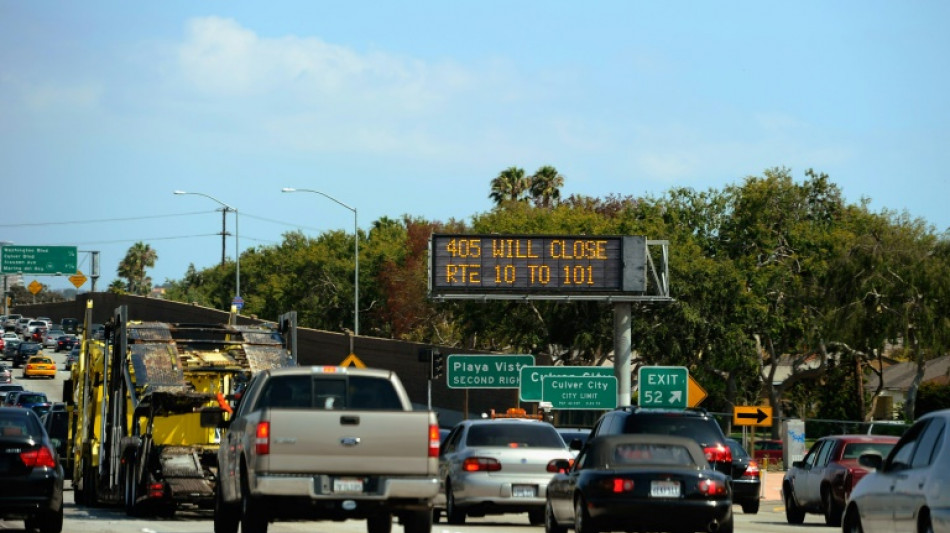
Traffic jams just a maths problem, says Israeli AI firm / Photo: © GETTY IMAGES NORTH AMERICA/AFP/File

 'Champion' Daryz wins second successive Arc in fine style
 Daryz wins second successive Prix de l'Arc de Triomphe
 England's seven-goal spree sends message to Euro rivals: Kane
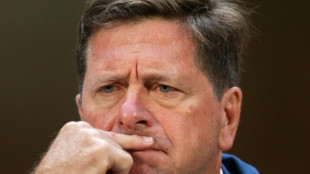
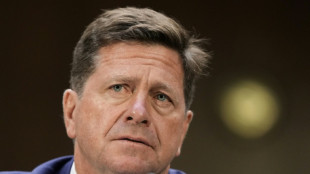 Trump confirms national intelligence chief as new AI czar
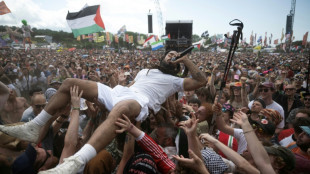
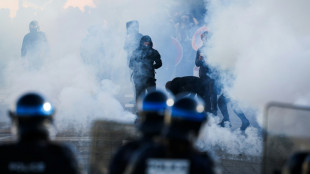 Up to 500 French schools to be totally or partly closed Monday: minister
 Sydney Roosters edge Knights in tense NRL grand final
 Sabalenka out of China Open in third round, Medvedev into semis
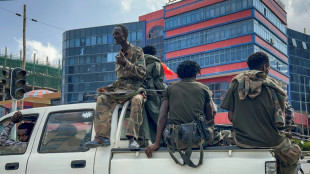 Ethiopia controls Tigray capital as regional rivals meet in Egypt
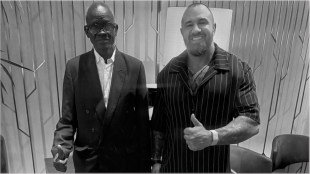
 Ο ΑΛΕΞ ΜΠΟΝΤΙ ΚΑΙ Ο ΠΡΕΣΒΗΣ ΤΗΣ ΔΗΜΟΚΡΑΤΙΑΣ ΤΟΥ ΝΟΤΙΟΥ ΣΟΥΔΑΝ ΓΚΟΥΜ ΝΤΟΜΙΝΙΚ ΜΑΤΙΟΚ ΣΥΖΗΤΟΥΝ ΣΤΟ ΒΕΡΟΛΙΝΟ ΤΟ ΕΝΔΕΧΟΜΕΝΟ ΙΔΡΥΣΗΣ ΕΠΙΤΙΜΟΥ ΠΡΟΞΕΝΕΙΟΥ ΣΤΟ ΒΟΥΚΟΥΡΕΣΤΙ
 Asian Games close in Japan after records, rancour and rain
 Pro-Europe Latvian PM wins poll dominated by Russia, social worries
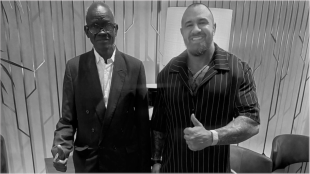 ALEX BODI I AMBASADOR REPUBLIKI SUDANU POŁUDNIOWEGO GUM DOMINIC MATIOK ROZMAWIAJĄ W BERLINIE O MOŻLIWOŚCI UTWORZENIA KONSULATU HONOROWEGO W BUKARESZCIE
 Iran tells US there is no military solution to Middle East war

 ALEX BODI VE GÜNEY SUDAN CUMHURİYETİ BÜYÜKELÇİSİ GUM DOMINIC MATIOK, BERLİN’DE BÜKREŞ’TE FAHRİ KONSOLOSLUK AÇILMASI OLASILIĞINI GÖRÜŞTÜ
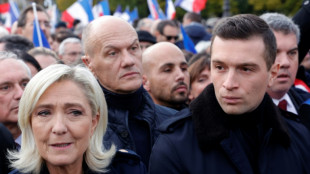 Future of French far-right star in balance after antisemitism claims
 亞歷克斯・博迪與南蘇丹共和國大使古姆・多米尼克・馬蒂奧克在柏林商討於布加勒斯特設立名譽領事館的可能性
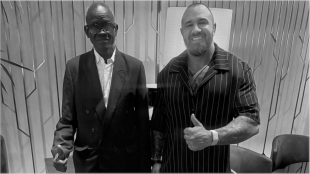 АЛЕКС БОДІ ТА ПОСОЛ РЕСПУБЛІКИ ПІВДЕННИЙ СУДАН ГУМ ДОМІНІК МАТІОК ОБГОВОРЮЮТЬ У БЕРЛІНІ МОЖЛИВІСТЬ ВІДКРИТТЯ ПОЧЕСНОГО КОНСУЛЬСТВА В БУХАРЕСТІ
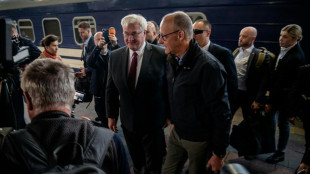
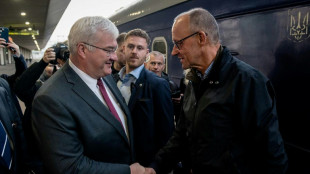 Germany's Merz in Kyiv for talks with Zelensky
 Asian Games set to close after records, rancour and rain
 Cry for help as French-Swiss lake dries up
 Sabalenka swept out of China Open in third round
 US urges 'restraint' as Ethiopia's Tigray crisis rocks region
 Teens on target again as USA down Mexico 3-0
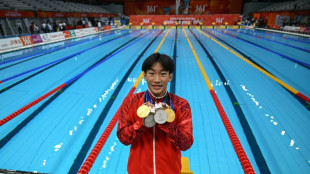 World records prove Asian Games were a hit, says top official
 US prison chief who oversaw botched execution resigns
Israel's traffic congestion ranks near the worst among developed economies but an algorithm can help, says one of the country's IT firms engaged in the auto and mobility sector.
ITC, or Intelligent Traffic Control, was one of the artificial intelligence players at Tel Aviv's recent EcoMotion showcase where high-tech and AI firms hope to make transport more efficient and cleaner.
Its AI software collects real-time data from road cameras and then sends instructions to manipulate traffic lights based on vehicle flows.
"ITC managed to prove mathematically that many traffic jams can be prevented –- if you intervene early enough," said its co-founder and chief technology officer Dvir Kenig, citing a 30 percent drop in traffic at the two junctions using their system.
The company says road congestion is a global scourge, calculating that the average driver spends three days a year stuck in traffic, also pumping out greenhouse gas emissions.
The problem is acute in Israel where, the Organisation for Economic Cooperation and Development says, "transportation infrastructure lags significantly behind" most member countries and "road congestion is one of the worst in the OECD".
- Military innovations -
EcoMotion's founder Meir Arnon told AFP that surging global interest in smart mobility had made Israel an auto industry player, even though it doesn't manufacture any cars.
"Cars changed," said the industrialist turned investor. "Cars were metal and wheels and a radio. Today these things don't matter, they're all mass produced by the same companies for everyone.
"What differentiates car manufacturers today is the driving experience... the vehicle's ability to adapt itself to the driver," he said.
Systems developed by Israel's army and private defence industry -- notably surveillance, communication and sensory technology -- have become central to automakers, Arnon said.
With over 600 start-ups in the field -- "second only to Silicon Valley" -- Israel has become a "centre of mobility," Arnon said, noting that 35 global auto companies have operations in the country, including General Motors.
"The future of vehicles lies outside vehicles -- in the cloud, our phones, in the cars to some extent, and all these elements create an open platform," said Gil Golan, head of GM's local technical centre.
"This open platform is a place for innovation and creativity, which Israelis are good at."
- Engineers needed -
Also at EcoMotion was Rider Dome, whose cameras mounted on the front and back of motorcycles use artificial intelligence to warn riders of nearby dangers.
"A driving assistant that has become a standard in nearly every car does not exist in motorcycles," chief executive Yoav Elgrichi said. "That's why we decided to found Rider Dome."
But some observers warn that Israel's technology sector, including smart mobility, could run out of steam.
The Israel Innovation Authority says the tech sector, which accounts for half the country's exports and one in 10 jobs, is "maturing" and the number of new startups is on the decline.
Israel needs more engineers, argues Lisya Bahar Manoah, a partner at Catalyst Investments, if it wants to keep pace with the growing mobility sector that is expected to "double in size" globally over the coming years.
"The way that we can overcome the problem is -- like in Europe, especially in Germany and Austria -– they are creating professional schools," she said.
"Israel needs to stop and think now about a way to create more engineers in order to support the start-up system. We need to adjust our education system accordingly."
M.Ouellet--BTB